
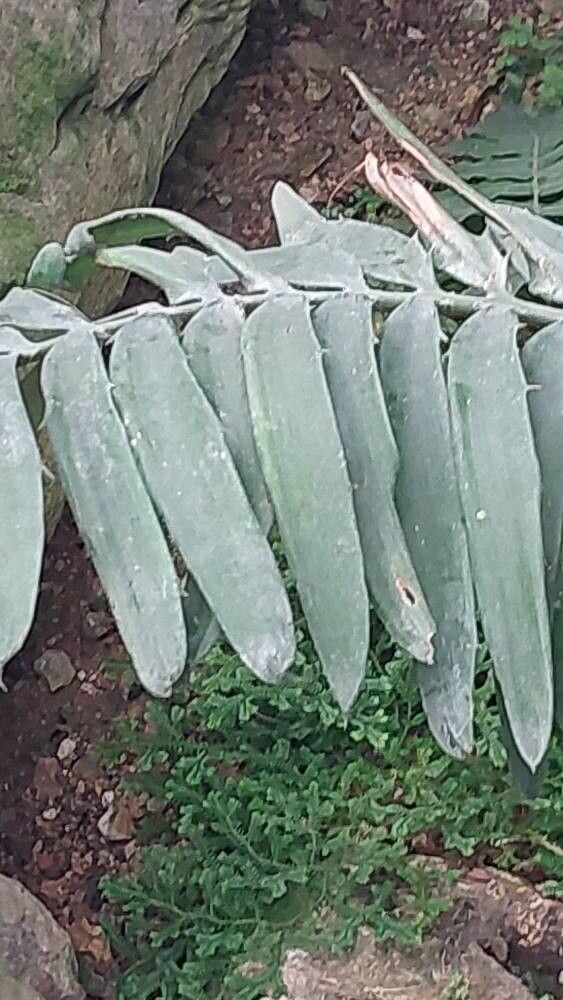
Taming the Wild: Propagating the Encephalartos chimanimaniensis
The Encephalartos chimanimaniensis, also known as the Chimanimani Cycad, is a majestic, slow-growing plant native to the mountainous regions of Zimbabwe and Mozambique. Its striking, fern-like fronds and sturdy, cone-shaped trunk make it a coveted addition to any plant enthusiast’s collection. But acquiring this rare beauty might seem like a daunting task. Thankfully, the art of propagation offers a rewarding way to bring a piece of the wilderness into your home.
The Quest for Seeds:
The most common method of propagation for the Encephalartos chimanimaniensis is through seeds. However, obtaining these seeds can be tricky. As an endangered species, their collection is strictly regulated. You can try contacting specialized plant nurseries or botanical gardens, as some may have surplus seeds available.
Patience is Key:
Once you have your precious seeds, the journey to a mature plant requires patience. The germination process can take anywhere from a few weeks to several months. Here’s a step-by-step guide:
- Preparation: Soak the seeds in lukewarm water for 24 hours to soften the outer coatings.
- Sowing: Use a well-draining seed starting mix and pot the seeds approximately ½ inch deep, spacing them a few inches apart.
- Warmth and Light: Maintain a consistent temperature around 75-80°F (24-27°C). Bright, indirect light is crucial.
- Moisture Management: Keep the soil moist but not waterlogged. Overwatering can lead to root rot.
- Patience: Don’t be discouraged if germination takes time. Patience is key!
Beyond Seeds: The Art of Offsets:
While less common, propagation through offsets is another option. Offsets are small, independent cycads that develop from the base of the parent plant. They are essentially miniature versions of the parent and offer a faster way to produce a new plant.
- Identification: Look for offsets growing at the base of the mature plant.
- Separation: Carefully separate the offset from the parent plant, ensuring a healthy root system remains intact.
- Potting: Plant the offset in a well-draining potting mix, leaving the base exposed.
- Moisture and Light: Water regularly, keeping the soil consistently moist, and provide bright, indirect light.
Challenges and Success:
While propagation can be fulfilling, it’s essential to understand the challenges involved:
- Slow Growth: Encephalartos chimanimaniensis are slow-growing plants, so don’t expect instant results.
- Pest and Disease: Like any plant, they are susceptible to pests and diseases. Regular inspection and suitable pest control are crucial.
- Environmental Conditions: Simulating their natural habitat is essential to success. Mimicking their warm, humid conditions indoors can be crucial.
Conclusion:
Propagating the Encephalartos chimanimaniensis is a labor of love, demanding patience and commitment. But the reward of witnessing these resilient plants grow from seed to maturity is truly fulfilling. By understanding the process and diligently following the steps, you can bring the majestic beauty of this endangered species to your own garden or home, ensuring its continuation for future generations.