
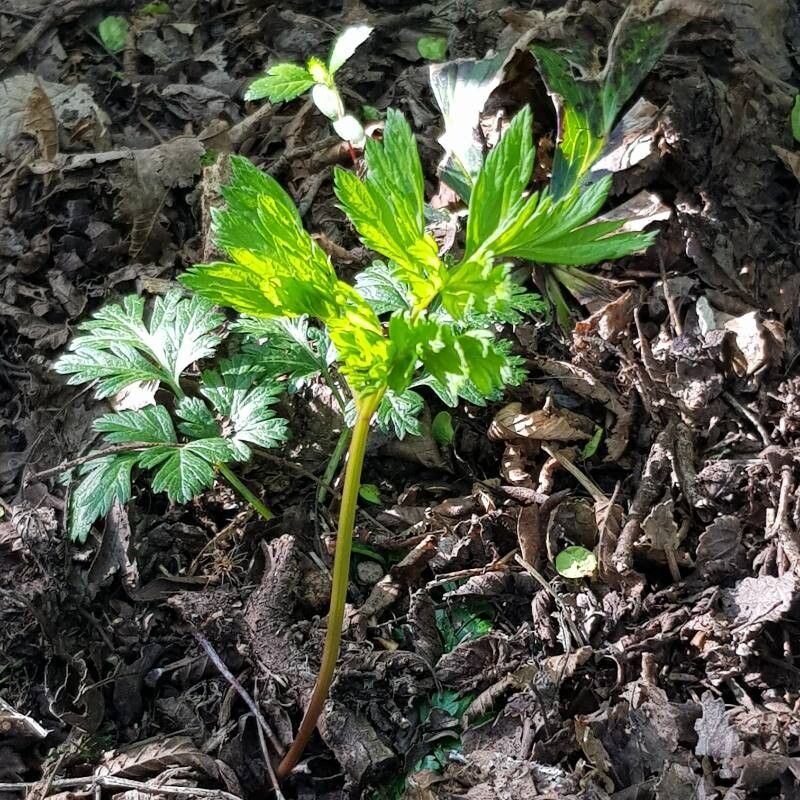
From Seed to Success: Propagating the Rare and Beautiful “Cornish Parsley”
Have you ever heard of Physospermum cornubiense? This stunning wildflower, known affectionately as “Cornish Parsley,” boasts delicate white umbels of flowers and feathery foliage that add a touch of wild elegance to any garden. But finding this beauty isn’t always easy. It’s considered a rare plant, and its seeds are not commonly available. That’s where propagation comes in!
A Seed of Hope:
While P. cornubiense is a bit finicky when it comes to propagation, successful germination is possible with a bit of patience and the right techniques. Here’s a step-by-step guide to getting started:
Harvesting your treasures: First, you need to get your hands on some seeds! Luckily, P. cornubiense is a self-seeder, meaning the plant produces viable seeds that scatter freely in the wild. Look for seed heads that are browning and starting to fall apart, as these will contain mature seeds. Carefully collect them in a paper bag or container, keeping them dry and ventilated.
Sowing for success: Seeds need a cool, damp environment for optimum germination. Sow them in a seed tray or pot filled with a well-draining seed compost mix. Don’t bury them too deep – a light sprinkle of compost is all that’s needed. Keep the compost moist, but not waterlogged. Opt for a cold frame or a similar protected space where temperatures stay cool and consistent throughout the winter.
- Time for patience: Patience is key! Germination for P. cornubiense can take several months, and sometimes even a year or more. Don’t be disheartened if nothing seems to be happening initially. Just keep the compost moist and wait for those tiny green shoots to emerge.
Beyond the Seed:
While seed propagation is the most common method, you can also try dividing established plants in spring. Gently separate clumps of rootstock, ensuring each division has its own healthy root system and foliage. Replant these divisions in well-drained soil in a partially shaded location.
A Look at Care:
Like most wild plants, P. cornubiense thrives in a natural, unfettered environment. Here are some tips for successful cultivation:
- Habitat and soil: Choose a site with well-drained soil and a slightly acidic pH. Partial shade is ideal, offering protection from the harshest sun.
- Watering: Maintain a consistent moisture level, ensuring the soil is sufficiently dry between waterings. Avoid overwatering.
- Fertilizers: P. cornubiense is not heavy feeder. No fertilizers or amendments are needed.
- Wildlife benefits: This beautiful plant attracts beneficial insects like bees and butterflies, adding to the biodiversity of your garden.
Conclusion:
Bringing the rare and charming P. cornubiense into your garden is a rewarding experience. While the process may require some patience and careful handling, the resulting display of delicate flowers and feathery foliage is truly worth it. So take your time, follow these tips, and enjoy the joy of nurturing this special plant from seed to bloom, and witness the magic of its captivating beauty unfold in your garden!