
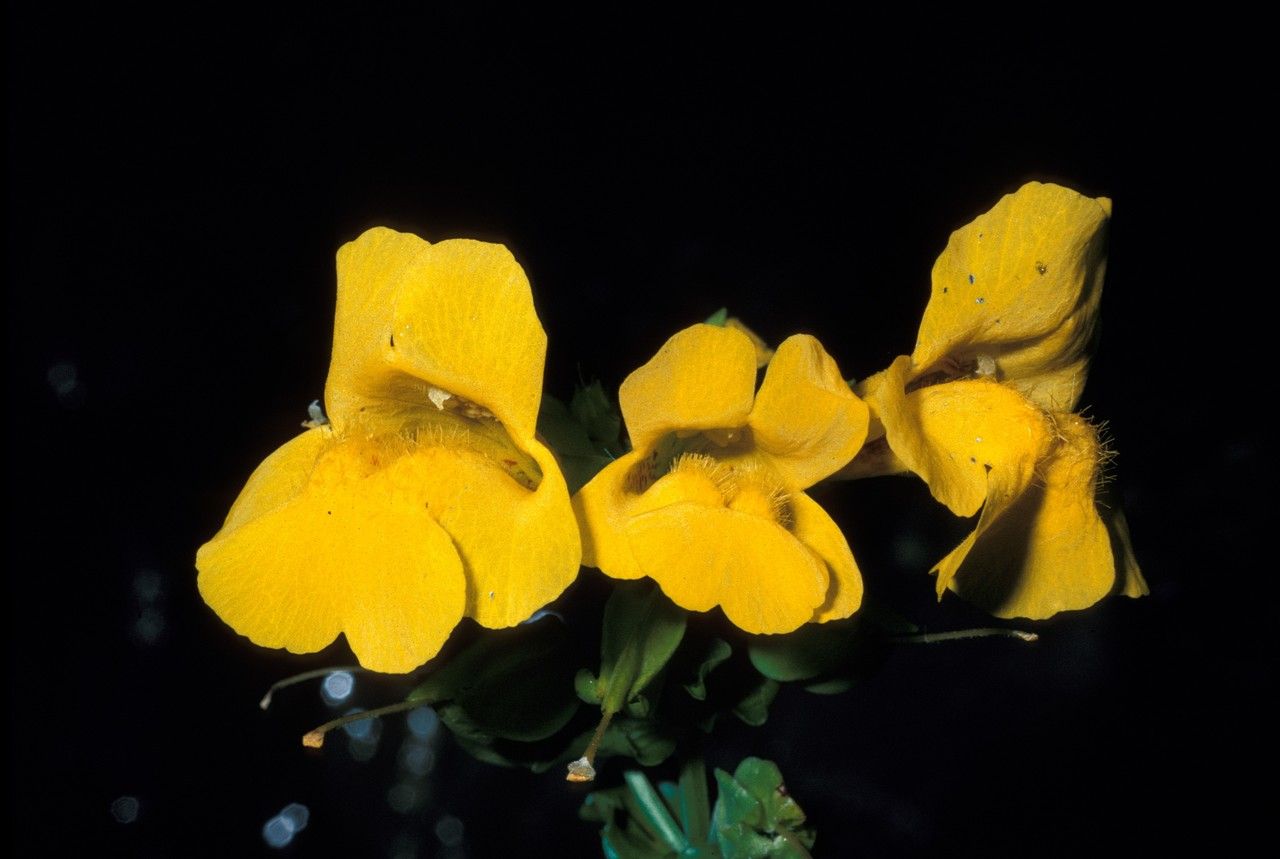
Bringing Home the Beauty: Propagating Erythranthe tilingii (aka Monkey Flower)
Erythranthe tilingii, commonly known as the Monkey Flower, is a captivating plant that adds vibrant splashes of color to gardens and landscapes. Its playful name comes from the flower’s unique shape, resembling a grinning monkey’s face. But beyond its charming appearance, Erythranthe tilingii is surprisingly easy to multiply through propagation, allowing you to share its beauty with friends or expand your own garden.
Understanding the Basics
Propagation, in the world of plants, simply means creating new plants from existing ones. There are two main methods for propagating Erythranthe tilingii:
- Seed Propagation: Similar to how many flowers grow in nature, starting from seeds is a natural way to propagate this plant.
Cutting Propagation: This method involves taking stem cuttings from a healthy mature plant and encouraging them to develop roots.
Let’s Explore Each Method:
Seed Propagation:
- Harvest Seeds: After the flowers fade, seed pods will form on the plant. Once they turn brown and dry, you can collect the seed pods.
- Sowing Seeds: Sow the seeds in a seed tray filled with well-draining potting mix.
- Germination: Keep the seeds consistently moist, but not soggy, and place the seed tray in a warm and sunny location. They need light to germinate.
- Thinning: Once the seedlings have a few true leaves, thin them out by removing the weaker ones, leaving the strongest to develop.
Cutting Propagation:
- Select Healthy Cuttings: Choose healthy stems from the plant that are neither too young nor old. Ideally, take cuttings that are about 4-6 inches long.
- Prepare Cuttings: Cut just below a leaf node (where a new leaf grows) at an angle. Remove any leaves below the soil line.
- Root Hormone: Dip the cut end of the cutting in rooting hormone powder or solution. This encourages root development.
- Potting: Place the cuttings in a pot filled with a moist, sterile rooting mix.
- Keep Moist: Water the cuttings regularly, ensuring the soil remains evenly moist.
- Protection: Protect the cuttings from direct sunlight and drafts.
Factors for Success:
- Timing matters: Both seed propagation and cutting propagation are best accomplished during the spring or early summer.
- Environment: Temperatures play a crucial role in successful propagation. Keep the seedlings and cuttings warm and moist, but avoid excessive humidity.
- Patience: It takes time for new plants to establish themselves. Be patient and consistent with your care.
Advantages of Propagation:
- Cost-effective: Propagating your own Erythranthe tilingii is a cost-effective way to fill your garden with more flowers.
- Preserves desired traits: Through propagation, you can ensure that the new plants inherit the specific characteristics of the parent plant, like flower color or growth habit.
- Fun and rewarding: Propagating plants is a rewarding experience that allows you to deepen your connection with nature.
Beyond the Basics:
Propagation can involve a little experimentation. Feel free to try different mediums, rooting hormones, and even different seasons to find what works best for you.
By following these simple steps and a bit of dedication, you can easily propagate your own Erythranthe tilingii, enjoying the beauty of these captivating flowers year after year. This vibrant plant is a testament to the wonders of nature, and with just a little effort, you can further its presence in your garden and beyond.