
Unlocking the Secrets of “Ononis crispa”: A Guide to Propagation
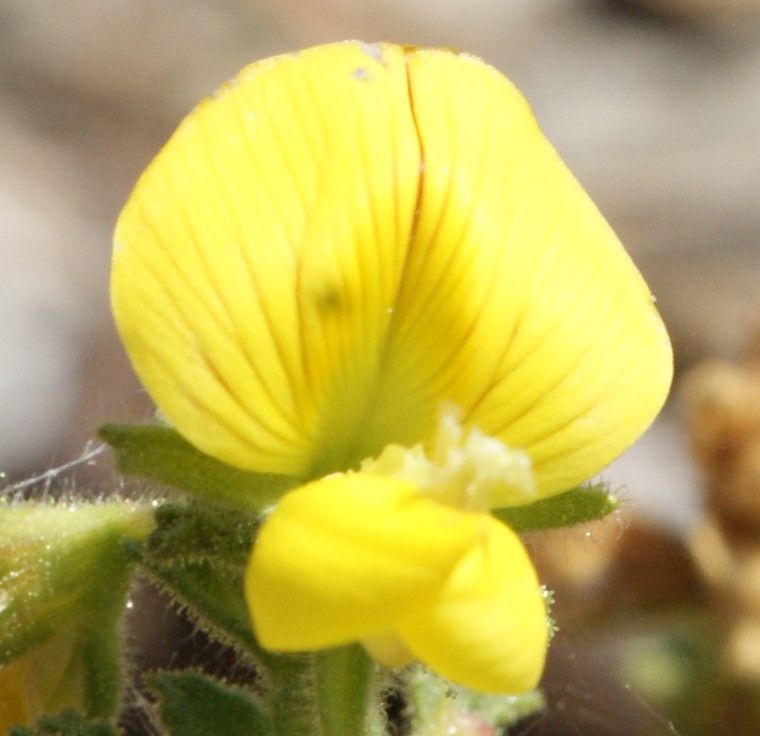
You’ve admired the unique beauty of “Ononis crispa” – its delicate, curled leaves and vibrant, nectar-rich blooms – and now you want to share that beauty with your own garden. But how do you bring more of these captivating plants to life? The answer lies in the art of propagation.
“Ononis crispa,” also known as the “Curly Restharrow,” is a fascinating member of the legume family known for its hardiness and captivating appearance. While it’s commonly found in the wild, propagating it offers the gardener a sense of accomplishment and allows you to nurture these plants from a young age.
Here’s a breakdown of the most effective methods to propagate “Ononis crispa”:
1. Seeds: Embracing the Natural Cycle
Nature’s way is often the best way, and “Ononis crispa” is no exception. The plant readily produces seeds within its pods, providing a direct route to propagation.
- Harvesting the Seeds: In late summer or early fall, collect ripe seed pods from the plant. Look for pods that are brown and dry, and carefully detach them from the stem.
- Preparing for Planting: Allow the pods to dry further in a warm, dry location. Once the seeds are ready, gently break open the pods to extract them.
- Sowing the Seeds: Sow the seeds directly in the ground during spring. Ensure good drainage and choose a location with full sun to partial shade. Cover the seeds with a thin layer of soil and water gently.
2. Cuttings: A Faster Route to New Plants
A faster method for propagation, taking cuttings from your existing “Ononis crispa” plant allows you to quickly enjoy new plants.
- Choose the Right Cuttings: Early summer is the ideal time for taking cuttings. Select healthy, young stems from the current year’s growth – ideally, those about 4-6 inches long.
- Prepare the Cuttings: Cut the stems just below a node (where a leaf emerges), making a clean, angled cut. Remove the lower leaves to create a stem that’s mostly bare.
- Rooting Medium: A mixture of peat moss and perlite or vermiculite is ideal. Dip the base of each cutting in rooting hormone to encourage root growth.
- Planting the Cuttings: Place the cuttings into pots filled with the rooting medium, ensuring that the cut end is fully submerged. Cover the pot with a clear plastic bag or dome to create a humid environment.
- Patience and Care: Keep the cuttings in a bright, indirect light location with consistent moisture. Roots should develop in about 4-6 weeks. Once they show signs of growth, you can gradually acclimate them to outdoor conditions.
3. Division: Sharing the Bounty of Your Existing Plant
A gentle and effective method, division allows you to expand your collection of “Ononis crispa” from a single mature plant.
- Time for Division: Spring is the best time to divide “Ononis crispa” plants. Ensure the soil is moist before you proceed.
- The Division Process: Carefully dig up the plant, making sure not to damage the roots. Using a sharp knife or a spade, separate the plant into smaller divisions, each with its own healthy roots and shoots.
- Replanting: Plant the divisions into prepared areas of your garden, ensuring they have adequate space to grow. Water the plants thoroughly and provide consistent moisture.
Tips for Success:
- Choose the Right Location: “Ononis crispa” thrives in well-drained soil and sunny locations.
- Protect from Frost: As a hardy plant, “Ononis crispa” can withstand some frost, but young plants may need extra protection during harsh winters.
- Regular Pruning: Pruning “Ononis crispa” after flowering will encourage bushier growth.
Whether you choose seeds, cuttings, or division, propagating “Ononis crispa” opens a gateway to enjoying this captivating plant in your garden. With a little patience and the right techniques, you can witness the magic of propagation, bringing new life to the natural world.