
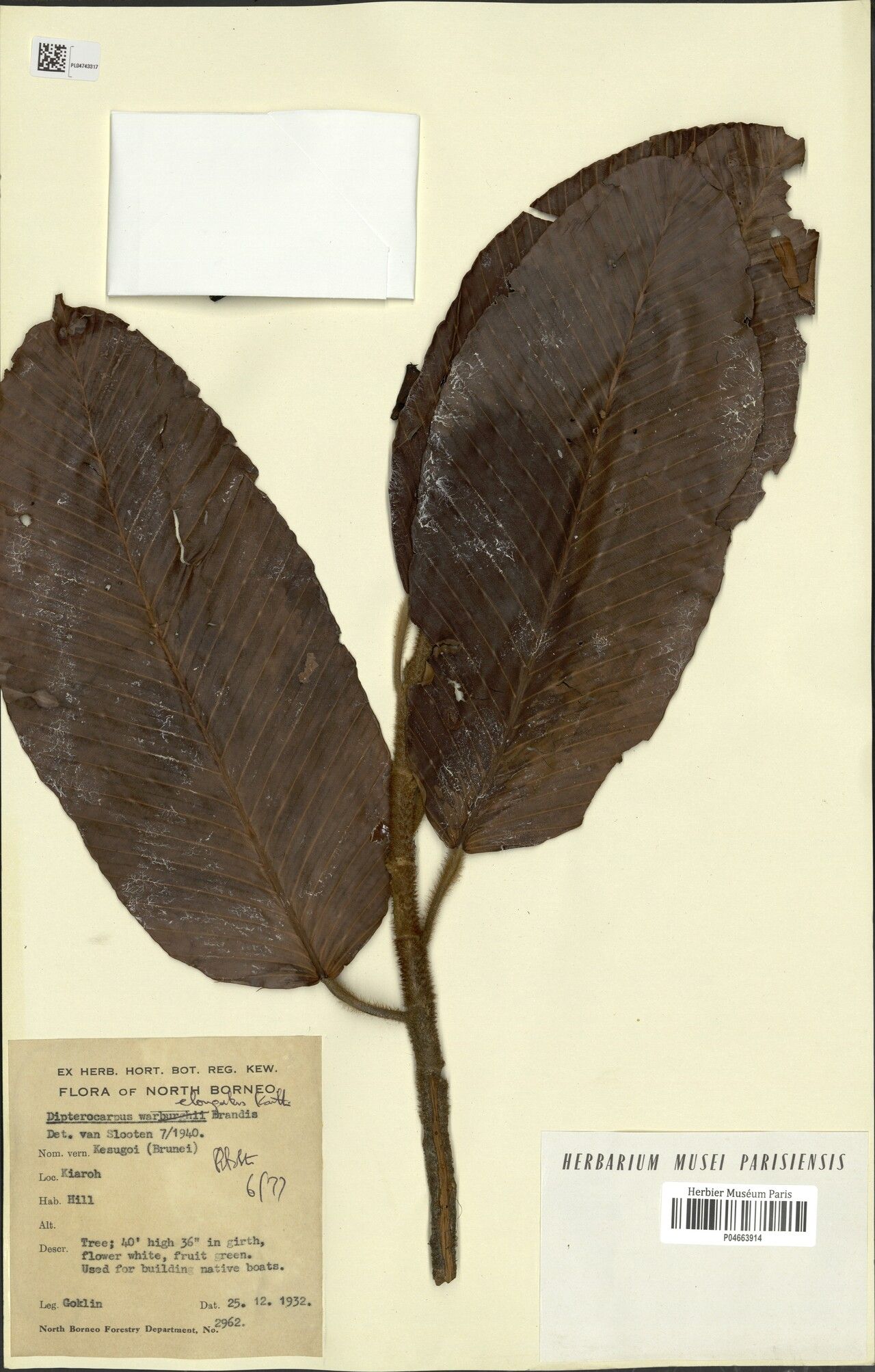
Unlocking the Secrets of Dipterocarpus elongatus Propagation: A Guide to Growing This Majestic Tree
Dipterocarpus elongatus, also known as the “Yang” tree, is a magnificent species native to Southeast Asia. With its towering height and striking, broad leaves, this tree is prized for its timber and cultural significance. But what if you could bring this beauty to your own backyard? It’s possible with the right knowledge and techniques.
The Power of Propagation
Propagation refers to the process of creating new plants from existing ones. It offers an eco-friendly and cost-effective way to expand your collection, share the joy of gardening, or even preserve threatened species like Dipterocarpus elongatus.
Methods of Propagation: Unveiling the Options
For Dipterocarpus elongatus, two primary propagation methods are commonly employed:
Seed Propagation: This method involves collecting mature seeds from the tree and sowing them in a suitable medium. It requires patience as Dipterocarpus elongatus seeds can take time to germinate.
- Cuttings: This method involves taking cuttings from mature branches and rooting them in a special medium. It allows for faster propagation than seed propagation but demands greater care in preparing and maintaining the cuttings.
Step-by-Step Guide: Seed Propagation
Collecting Seeds: Collect mature seeds from the tree after the fruit has ripened. Mature seeds are typically dark brown and have a hard outer shell.
Preparation: Before sowing, gently remove the outer seed coat to aid in germination. You can use a sharp knife or sandpaper to scarify the seed.
Sowing: Fill a seed tray or pot with a well-draining seed-starting mix. Sow the seeds at a depth of about twice the seed diameter, covering them lightly with soil.
Watering: Water the seeds thoroughly but avoid overwatering.
- Germination: Dipterocarpus elongatus seeds generally take several weeks to germinate. Keep the soil moist and provide adequate light. A warm environment can encourage faster germination.
Step-by-Step Guide: Cuttings Propagation
Selecting Cuttings: Use a sharp knife or pruning shears to take cuttings from mature, healthy branches. Aim for cuttings around 6-8 inches long.
Preparing Cuttings: Remove the leaves from the bottom half of the cutting. Then, dip the cut end in rooting hormone to promote root development.
Planting: Fill a pot or tray with a rooting medium and create holes for the cuttings. Insert the cuttings into the holes, ensuring that they are placed at least an inch deep in the rooting medium.
- Watering and Maintenance: Keep the soil consistently moist but avoid oversaturating it. Place the potted cuttings in a warm, well-lit location, but avoid direct sunlight.
Key Considerations for Successful Propagation
Soil and Water Quality: Use a well-draining potting mix and avoid overwatering. Dipterocarpus elongatus prefers moist but not wet soil.
Light and Temperature: Proper light and temperature are crucial for successful propagation. Young seedlings need bright, indirect light and warm temperatures.
Environmental Factors: Ensure the growing environment is protected from wind and harsh weather conditions.
- Patience: Propagation of Dipterocarpus elongatus requires patience. It might take several weeks or even months for seedlings to establish.
Conclusion
Bringing the majesty of the Dipterocarpus elongatus tree to your own backyard is a rewarding and achievable endeavor. By understanding the various propagation techniques and diligently following the steps outlined, you can unlock the secrets of this remarkable tree and enjoy its captivating beauty for years to come.