
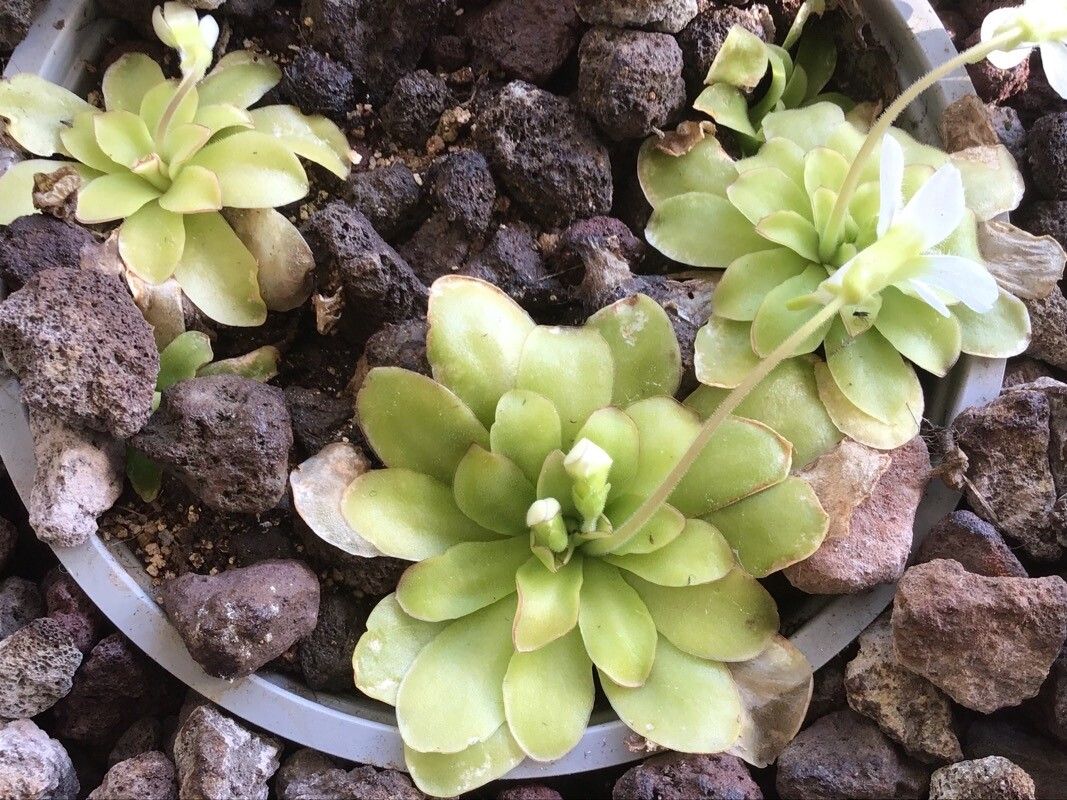
From One to Many: Propagating the Enchanting Pinguicula ibarrae
The Pinguicula ibarrae, with its captivating rosette of sticky, dewdrop-laden leaves and delicate, vibrant blooms, is a true gem among carnivorous plant enthusiasts. But what if you could share this beauty with others, or simply expand your own collection? Propagation is the answer, and for the Pinguicula ibarrae, it’s a relatively simple process that even beginners can tackle.
Leaf Cuttings: The Easy Path to New Plants
One of the most accessible methods for propagating Pinguicula ibarrae is through leaf cuttings. This technique takes advantage of the plant’s ability to produce new rosettes from individual leaves.
Here’s how to do it:
- Select Healthy Leaves: Choose plump, disease-free leaves from a thriving mother plant.
- Clean and Cut: Using a sharp, sterile blade, carefully cut the leaf from the plant, leaving a small portion of the petiole (the stalk) attached.
- Prepare the Medium: Fill a flat or tray with a suitable propagation mix – a mix of peat moss and perlite, or even just pure sphagnum moss, is ideal.
- Planting the Cuttings: Gently press the leaf cuttings into the propagation medium, ensuring the petiole is buried slightly.
- Mist and Cover: Mist the cuttings lightly, then cover the tray with a clear dome or plastic wrap to create a humid environment.
- Patience is Key: Place the tray in bright, indirect light and maintain a temperature of around 60-70°F. With proper care and patience, you should see tiny new rosettes forming within a few weeks.
Benefits of Leaf Cutting Propagation
- Simple and Effective: Leaf cuttings offer a high success rate for Pinguicula ibarrae.
- Fast Growth: New plantlets can develop relatively quickly, giving you satisfaction sooner.
- Multiple Plants: You can obtain several plants from a single mother plant, expanding your collection effortlessly.
Beyond Leaf Cuttings: Exploring Other Options
While leaf cuttings are the most common propagation method, Pinguicula ibarrae can also be multiplied through other techniques:
- Seed Propagation: Collecting seeds from your Pinguicula ibarrae and sowing them in a suitable medium can lead to a whole new generation of plants. However, germination rates can be unpredictable.
- Division: When your plant has developed multiple rosettes, you can carefully divide the individual rosettes and pot them separately, creating new plants.
- Flower Stem Cuttings: Though less common, rooting flower stems can also produce new plants.
Factors Affecting Propagation Success
- Environmental Conditions: Maintaining the right temperature, humidity, and light levels is crucial for successful propagation.
- Medium and Water: The propagation medium should be airy and moisture-retentive, while watering should be done carefully to avoid overwatering.
- Health of the Mother Plant: Healthy and robust mother plants are more likely to produce viable cuttings and seeds.
The Joy of Propagation
Propagating your Pinguicula ibarrae is a rewarding experience that not only expands your collection but also deepens your connection with these fascinating plants. From the thrill of witnessing new life emerge from a single leaf to the excitement of sharing your passion with others, propagation adds a whole new dimension to the rewarding world of carnivorous plant cultivation.