
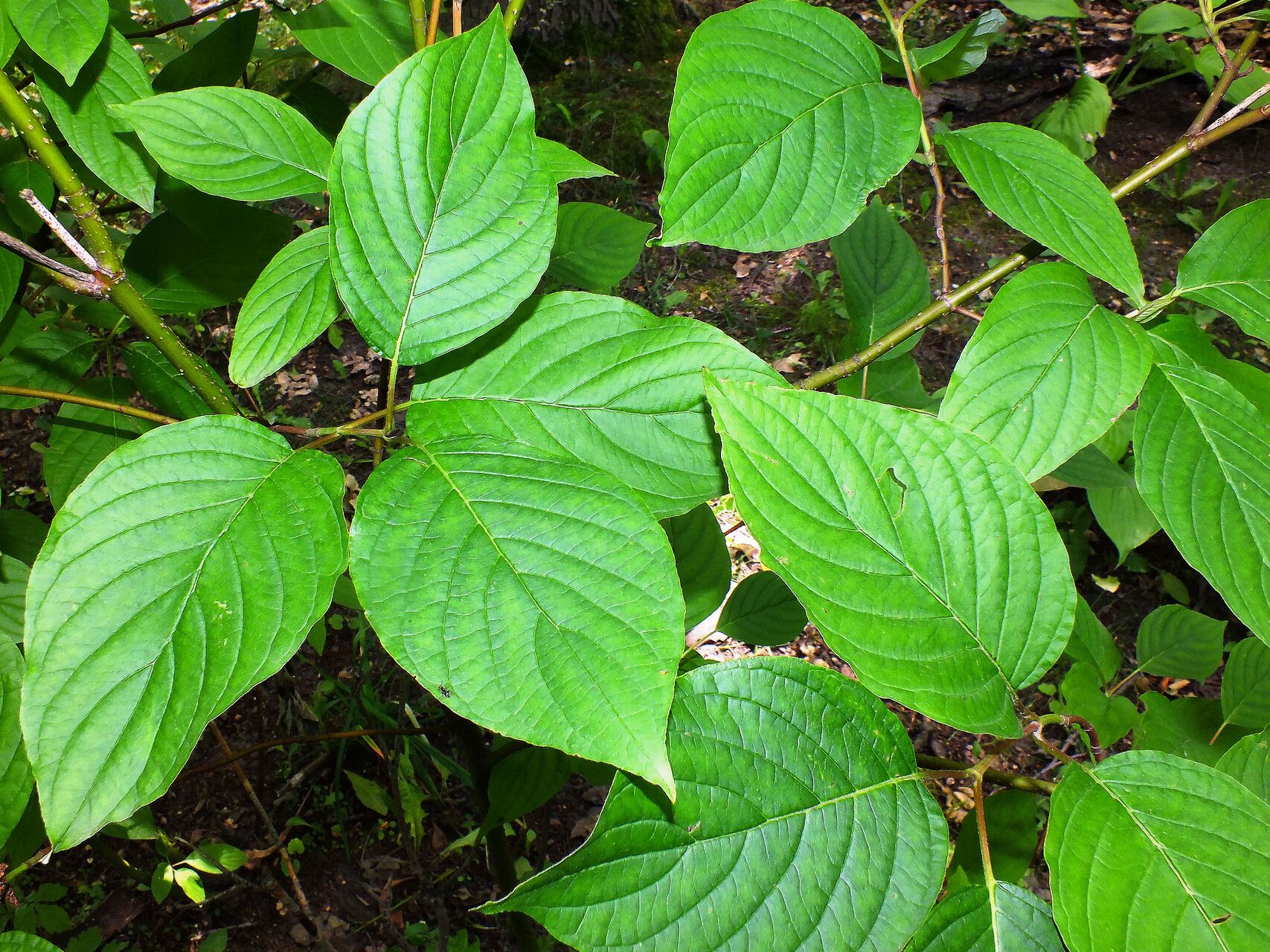
From One to Many: Unlocking the Secrets of Cornus rugosa Propagation
The Cornus rugosa, also known as the “Roundleaf Dogwood,” is a strikingly beautiful shrub that bursts with vibrant crimson foliage in autumn. Admired for its resilience and adaptable nature, you might be tempted to share its beauty with your garden – and with a little guidance, you can!
This article delves into the secrets of propagating this captivating plant, explaining the methods and tips to ensure successful results. Whether you’re a seasoned gardener or a curious beginner, discover the joy of witnessing a single Cornus rugosa multiply into a vibrant, thriving collection.
Understanding the Basics of Propagation
Propagation is essentially creating new plants from existing ones. It’s a rewarding process that allows you to expand your garden without breaking the bank. With Cornus rugosa, two primary methods are commonly used:
- Cuttings: This method takes advantage of the plant’s natural ability to develop roots from stem sections. You can take softwood cuttings (from new growth) or hardwood cuttings (from mature wood).
- Layering: This technique encourages the plant to develop roots while still attached to the parent plant, minimizing stress.
The Step-by-Step Guide: Cuttage for Cornus rugosa
- Timing is Key: For optimal results, take softwood cuttings in the late spring or early summer, or hardwood cuttings in the late fall or early winter.
- Select Healthy Material: Choose healthy, disease-free stems with vigorous growth. With softwood cuttings, pick sections about 4-6 inches long. For hardwood cuttings, select stems 8-12 inches in length.
- Prepare the Cutting: Sharpen a clean knife or pruning shears and make a clean, angled cut just below a node (where leaves grow). Remove any leaves below the soil line.
- Root Hormone: Dip the base of the cutting in rooting hormone powder to encourage root development.
- Planting Time: Prepare a well-drained potting mix and insert the cuttings about half-way into the soil. Gently firm the soil around them.
- Create a Humid Environment: Mist the cuttings daily to keep them moist, and cover them with a plastic dome or clear plastic bag to create a mini-greenhouse.
- Patience is Key: It can take several weeks to months for the cuttings to develop roots. Keep them in indirect sunlight and monitor the moisture levels.
- Transplanting: Once the cuttings have established roots, you can transplant them into individual pots or directly into your garden, allowing them to mature into beautiful shrubs.
Layering – A Gentle Approach for Cornus rugosa
- Choose the Right Branch: Select a healthy, flexible branch near the ground and bend it down, gently pinning it to the soil with a wire or pebble.
- Make an Incision: Score the branch at a point where it will be buried, creating a small incision to promote root formation.
- Cover and Wait: Cover the buried section with soil and ensure that the rest of the branch remains above ground.
- Patience Pays Off: Over time, the layered branch will develop roots. Once they are well-established, carefully detach the new plant from the parent.
Important Tips for Success
- Sterilization Matters: Ensure your tools are clean and sterilized before making cuts to prevent disease transmission.
- Water Wisely: Keep the soil consistently moist, but avoid overwatering as it can lead to root rot.
- Location is Key: Cornus rugosa thrives in well-drained soil and full sun to partial shade.
Embrace the Journey of Propagation
Propagating Cornus rugosa is an exciting and rewarding endeavor for any gardener. By understanding the methods and following these tips, you can successfully create new plants from the beauty of your existing ones. Enjoy the journey and witness your garden bloom with the vibrant foliage and unique charm of these captivating shrubs.