
Beach Vetch: How to Propagate this Coastal Gem
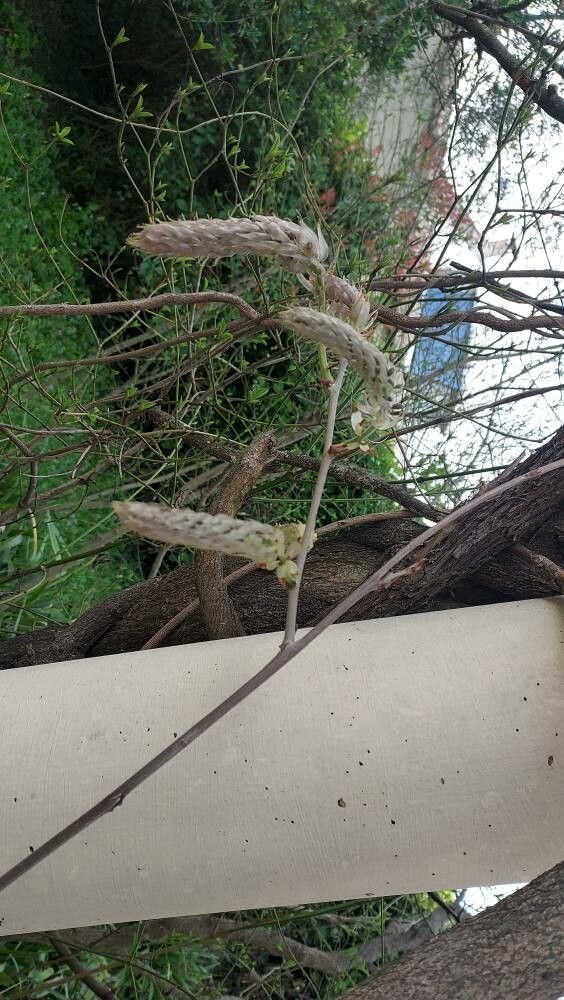
Beach vetch (Glycine arenaria) is a beautiful and hardy plant that thrives in coastal areas, adding a touch of vibrant green and delicate purple blooms to sandy shores. If you’re looking to add this resilient species to your garden or want to boost its population in your local beach ecosystem, propagation is a great way to go!
This article will delve into the easiest and most effective methods for propagating beach vetch, helping you cultivate these charming plants and enjoy their beauty year after year.
1. The Power of Seeds:
Beach vetch produces an abundance of seeds in its pods. This makes seed propagation a simple and effective option. Here’s what you’ll need:
- Collect ripe seed pods: Wait until the pods have turned brown and are starting to dry out before harvesting them.
- Extract the seeds: Carefully split open the pods and remove the seeds.
- Sow the seeds: Direct sowing is the most common method, but you can also start them indoors in a seed tray.
- Preparation: Choose a sunny spot with well-drained soil. In direct sowing, simply scatter the seeds on the surface and lightly rake them in.
- Time to germinate: With a bit of luck, your beach vetch seeds should germinate in 1-2 weeks.
2. Vegetative Propagation: A Speedy Approach
For those who prefer a quicker route, vegetative propagation is a great choice. This involves taking cuttings from an existing plant, which will develop roots and grow into independent plants. Here’s how:
- Choose your cuttings: Select healthy, non-flowering stems that are about 4-6 inches long.
- Prepare the cutting: Remove any leaves from the bottom inch of the stem. Dip the cut end in rooting hormone powder to encourage root development.
- Plant the cuttings: Insert the cuttings into a pot filled with a peat moss or potting mix. Mist the cuttings with water and place them in a warm, bright location.
- Patience is key: Rooted cuttings may take up to 6 weeks. Be sure to keep the soil moist and avoid direct sunlight.
Choosing the Best Method For You:
While both seed and vegetative propagation are effective, consider these factors when making your choice:
- Time: Seed propagation is more time-consuming as it requires germination and plant development. Vegetative propagation offers faster results.
- Availability: Vegetative propagation relies on having an existing beach vetch plant.
- Quantity: Seed propagation allows you to easily create many new plants.
Tips For Success:
- Optimal Conditions: Beach vetch thrives in full sun and well-drained soil.
- Watering: Ensure the soil is consistently moist but not waterlogged.
- Fertilizing: While not crucial for healthy growth, you can use a balanced fertilizer to promote robust development.
Beyond Your Garden:
Beach vetch has a vital role in coastal ecosystems. The plant provides food and nesting materials for birds, helps prevent erosion, and adds nitrogen to the soil, creating a healthy habitat for other organisms. By taking steps to propagate and grow beach vetch, you’re contributing to the well-being of our coastlines.