
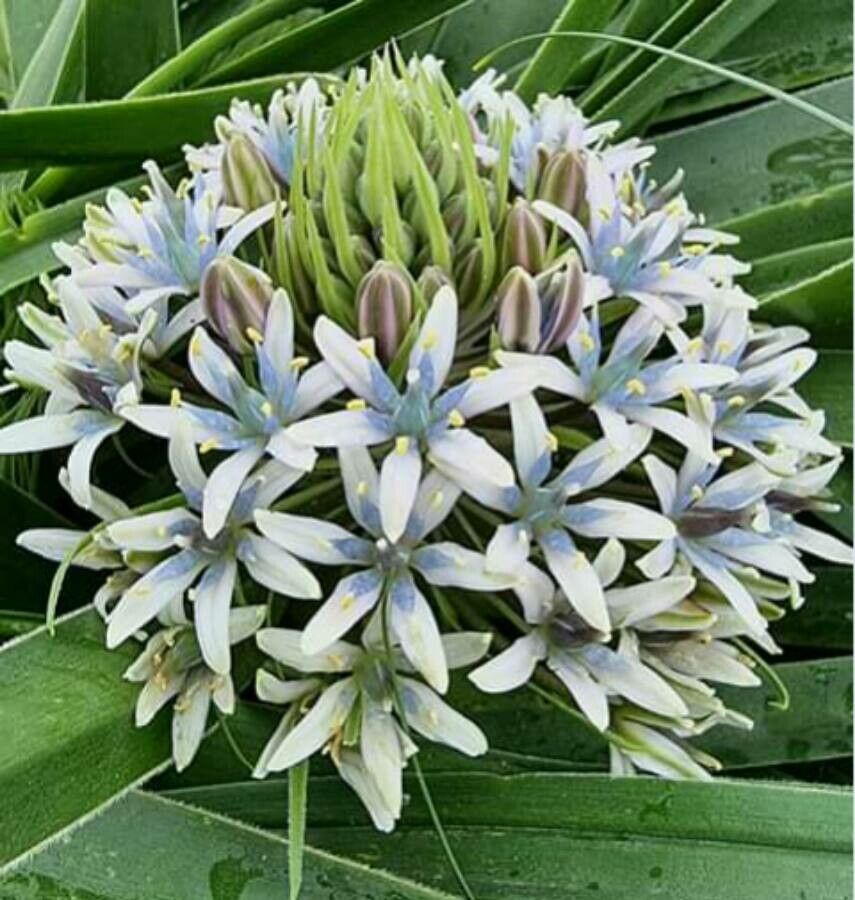
A Little Blue Miracle: How to Propagate Scilla Dimartinoi and Fill Your Garden with Spring Magic
The sight of delicate, bell-shaped blue flowers emerging from the ground in early spring is a welcome sight after the cold winter months. This is especially true for the charming Scilla dimartinoi, often called the “Spring Beauty,” that boasts stunning blue blooms and adds a splash of color to any garden. But did you know that you can easily multiply your Scilla dimartinoi collection and share this springtime wonder with friends and family?
Let’s dive into the magic of Scilla dimartinoi propagation, a process that’s both rewarding and accessible even for novice gardeners.
Choosing the Right Propagation Method
Scilla dimartinoi can be propagated through two primary methods: division and seed.
- Division: This is the most common and simplest method. It involves carefully separating the bulb clusters into individual bulbs, ideally in the fall when the plant is dormant.
- Seeding: Although a bit more time-consuming, propagating Scilla dimartinoi through seeds allows you to create new plants from scratch. Gather the seed pods after flowering and let them dry. Sow the seeds in a well-drained mixture and keep the soil consistently moist. Expect to wait around two years for your seedlings to bloom.
Detailed Guide to Division
- Timing: The best time for division is in the fall, after the foliage has died back and the bulbs are dormant.
- Preparation: Carefully dig up the entire bulb cluster, ensuring that you don’t damage the bulbs.
- Division: Gently separate the bulbs, taking care not to damage the roots.
- Replanting: Plant the individual bulbs in a new location, spacing them about 4–6 inches apart.
- Watering: Water deeply, and keep the soil consistently moist until the bulbs are established.
Tips for Success
- Choose healthy bulbs: Select large, plump, and disease-free bulbs for best results.
- Location: Scilla dimartinoi thrives in partial shade. Ensure that the planting location receives some morning sun and afternoon shade.
- Soil: Well-drained, slightly acidic soil is ideal for these bulbs.
- Maintenance: Once bulbs are established, Scilla dimartinoi requires minimal maintenance. However, water regularly during dry periods and mulch in fall to help protect the bulbs during winter.
Enjoy Your Bountiful Blue Flowers
Propagating Scilla dimartinoi is a rewarding process that allows you to expand your garden’s springtime charm. By following these simple steps, you can enjoy the beauty of their delicate blue flowers year after year. So, grab your gardening gloves, get digging, and let the magic of Scilla dimartinoi blossom in your garden!