
From One Jacaranda to Many: A Guide to Propagating This Stunning Tree
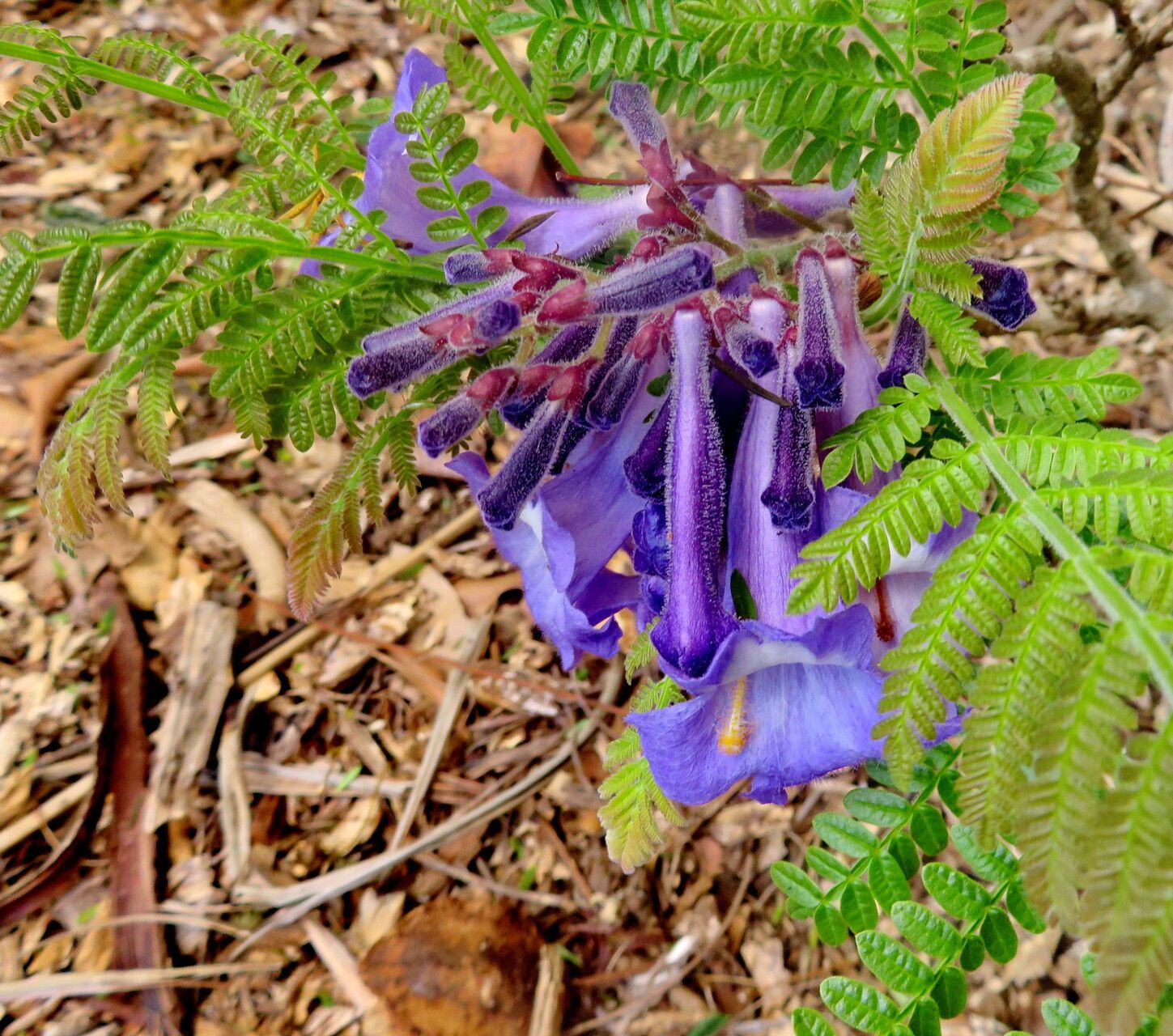
The Jacaranda (Jacaranda decurrens), with its breathtaking displays of lavender-blue blooms, is a beloved tree around the world. Imagine filling your garden with these vibrant beauties – it’s a dream within reach thanks to propagation! This detailed guide will teach you how to successfully grow new Jacarandas from existing trees, sharing tips and tricks for a rewarding experience.
Understanding the Basics of Propagation
Propagation is essentially the process of creating new plants from existing ones. There are several methods, but for Jacarandas, we will focus on the two most popular:
- Seed Propagation: A straightforward method involving planting seeds directly into soil. This is often the cheapest and easiest way to grow a new Jacaranda, however, it can be a bit slower.
- Cuttings: Taking a stem from an existing tree and encouraging it to root. This method is faster and allows for more precise control over the new plant’s characteristics.
Method 1: Propagation Through Seeds
- Collection: Collect ripe seed pods directly from the Jacaranda tree. The pods will turn brown and brittle when ready for harvest.
- Extraction: Crack open the pods to release the seeds. Gently wash the seeds to remove any remaining pulp.
- Preparation: Allow the seeds to dry for a few days. Then, soak them in warm water for 24 hours before planting.
- Sowing: Choose a well-draining potting mix and fill seed trays or pots. Plant the seeds about 1/4 inch deep and lightly cover with soil.
- Care: Water the seeds thoroughly and maintain moisture. Jacaranda seeds typically germinate within 2 – 4 weeks. Keep the seedlings in a warm, sunny location.
Method 2: Propagation Through Cuttings
- Cutting Choice: Select healthy, semi-hardwood cuttings, typically taken in late spring or early summer. Each cutting should be about 4-6 inches long, with at least 2 or 3 sets of healthy leaves.
- Preparation: Using a sharp knife or pruning shears, make a clean cut below a leaf node. Remove lower leaves to expose the stem.
- Rooting Hormone: Dip the cut end of the stem into rooting hormone powder or gel to promote root development.
- Planting: Fill a pot with a suitable rooting mix, then make a small hole in the center. Gently insert the cutting, ensuring that the treated end is buried in the mix.
- Care: Water the pot thoroughly and keep the cuttings in a warm, humid environment. Place a clear plastic bag or dome over the pot to create a mini-greenhouse effect. The cuttings should root within 4-8 weeks.
Tips for Success:
- Timing: The best time to propagate Jacaranda is during the warmer months when the plant is actively growing.
- Light: Provide plenty of indirect sunlight to your seedlings and cuttings.
- Watering: Keep the soil consistently moist but avoid overwatering.
- Patience: Propagation can take time. Be patient and don’t give up if you don’t see results immediately.
More than Just Beauty:
The Jacaranda tree is not just a beautiful addition to any landscape. It also provides shade, attracts pollinators, and offers a natural habitat for various birds and insects. By propagating Jacarandas, you contribute to the biodiversity of your garden and create a sustainable source of this stunning tree.
So, get ready to embark on your own Jacaranda propagation journey! With a little care and attention, you can enjoy the beauty of these captivating trees for years to come.