
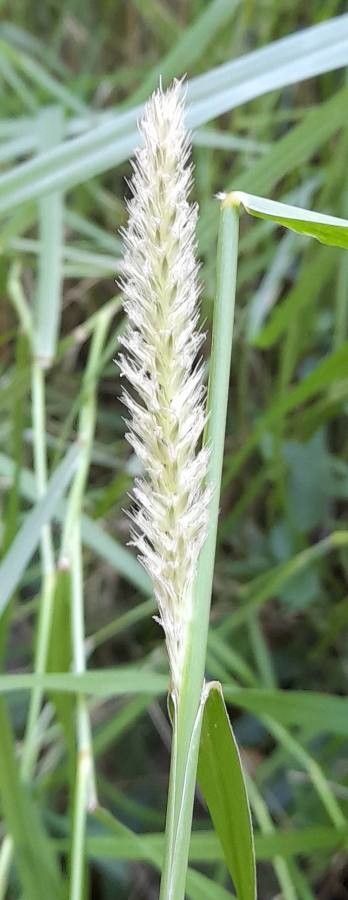
From Seed to Sward: Mastering the Art of Cenchrus Nervosus Propagation
Cenchrus nervosus, a resilient and versatile grass species, is gaining popularity among gardeners and landscapers thanks to its drought tolerance, rapid growth, and ability to thrive in a variety of conditions. But how do you get your hands on this remarkable plant? The answer lies in propagation, the process of creating new plants from existing ones.
While Cenchrus nervosus can be propagated both through seeds and via vegetative means (cloning), each method offers a unique set of advantages and drawbacks. Let’s delve into each approach:
1. Propagation from Seed:
- The Pros: Seeds are readily available and relatively inexpensive compared to vegetative propagation techniques, making them a budget-friendly option. Additionally, the process itself is simple and can be tackled by even novice gardeners.
- The Cons: Seed germination can be slow and inconsistent, requiring careful monitoring and patience. Also, seeds might not always produce offspring that mirror the parent plant’s desired traits.
- The Process: Start by sowing seeds in a seed tray or directly into the ground, ensuring well-drained soil and ample sunlight. Keep the soil consistently moist, and within a few weeks, you’ll see tiny sprouts emerge. Thin the seedlings to allow ample space for growth, and within a few months, you’ll have a thriving patch of Cenchrus nervosus.
2. Vegetative Propagation:
- The Pros: Clonal propagation guarantees identical genetic copies of the parent plant, ensuring desired traits like disease resistance and specific leaf color are faithfully replicated. It also often leads to faster establishment compared to seedlings.
- The Cons: Vegetative propagation can be more technically challenging and time-consuming, often involving specialized techniques and resources.
- The Process: Several methods can be employed for vegetative propagation of Cenchrus nervosus, each with its benefits and nuances:
- Division: With this method, you can physically divide mature clumps of Cenchrus nervosus into smaller, independent plants.
- Cuttings: Taking stem cuttings from healthy plants and rooting them in suitable media allows for quick propagation with minimal resources.
- Tissue Culture: This advanced technique utilizes sterilized plant tissues to create numerous identical clones, offering large-scale propagation opportunities for research and industrial applications.
Choosing the Right Method:
The best propagation method for you depends on your personal needs and resources. If you’re looking for a budget-friendly and relatively straightforward approach, seeding is a viable option. However, if you desire uniformity and want to preserve specific traits, opting for vegetative propagation might be preferable.
Key Considerations:
- Soil type: Cenchrus nervosus thrives in well-drained, sandy soils but can tolerate a wide range of conditions.
- Sunlight: This grass requires ample sunshine to flourish, ideally at least 6 hours per day.
- Watering: While Cenchrus nervosus is drought-tolerant, it benefits from regular watering, especially during establishment stages.
- Fertilization: Occasional fertilization with a balanced fertilizer can promote healthy growth.
Conclusion:
Cenchrus nervosus offers a diverse range of benefits, from its aesthetic appeal to its practical applications in erosion control and pasture management. With the right knowledge and techniques, propagating this resilient grass is an achievable goal for gardeners of all levels. Whether you choose to sow seeds or utilize vegetative approaches, your efforts will be rewarded with a beautiful and functional addition to your landscape.