
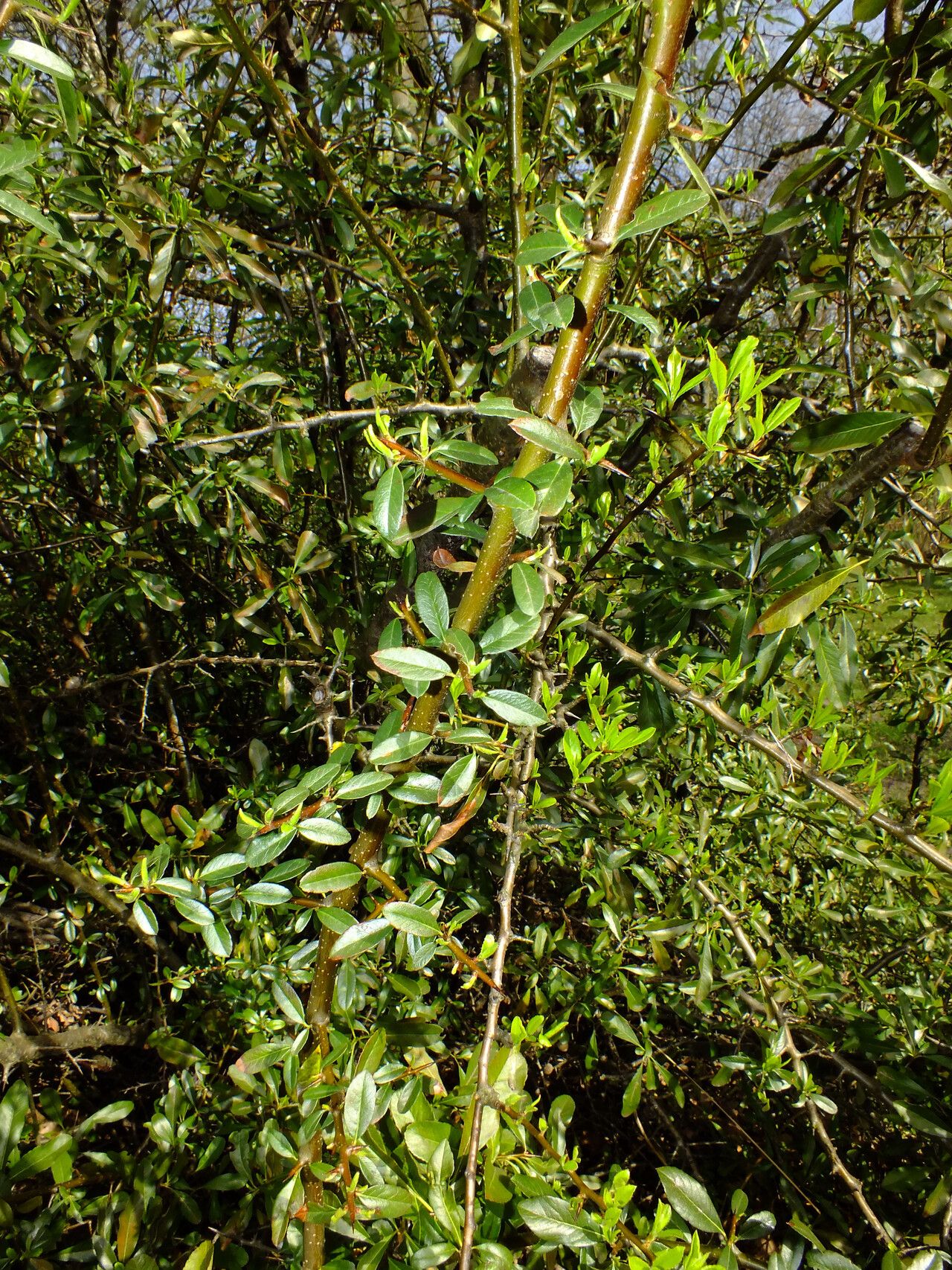
From One to Many: How to Propagate Your Firethorn (Pyracantha angustifolia)
The Pyracantha angustifolia, commonly known as firethorn, is a beautiful and versatile shrub that boasts vibrant red berries and glossy evergreen foliage. Its striking appearance makes it a popular choice for hedges, topiaries, and landscape accents. But what if you could easily create more of these fiery beauties?
That’s where propagation comes in! Propagating your own firethorn can be both rewarding and cost-effective. Not only will you have a new plant for your garden, but you can also share the joy with friends and family.
The Methods:
There are two main methods for propagating Pyracantha angustifolia:
- Softwood Cuttings: This method utilizes the new, soft growth of the current year. Taking cuttings from the tips of branches, about 4-6 inches long, is the key here.
- Semi-Hardwood Cuttings: These are a little more mature than softwood cuttings and are taken from the current season’s growth after it has hardened off.
Let’s dive into the details:
1. Softwood Propagation
- Timing: The ideal time for taking softwood cuttings is during the spring and early summer when the new growth is still tender but not too soft.
- The Process:
- Select healthy, disease-free stems with vigorous growth.
- Take cuttings just below a leaf node, ensuring each cutting has at least two sets of leaves.
- Remove the bottom set of leaves.
- Dip the cut ends in rooting hormone to encourage root development.
- Plant the cuttings in a pre-moistened rooting mix, ensuring the bottom node is buried.
- Cover the cuttings with a clear plastic dome or humidity tent to create a humid environment.
- Keep the cuttings in a bright but indirect light location.
- Regularly mist the foliage to maintain moisture.
2. Semi-Hardwood Propagation:
- Timing: Semi-hardwood cuttings are taken later in the summer when the new growth has started to harden but before the stems become too woody.
- The Process:
- Select stems that have hardened off slightly.
- Follow the same cutting process as softwood cuttings, ensuring each cutting has at least 2 sets of leaves.
- You can use rooting hormone, but it is not strictly necessary.
- Plant the cuttings in a rooting mix and cover them with a humidity dome or tent.
- Keep the cuttings in a bright but indirect light location.
- Maintain moist growing conditions.
Key Factors for Success:
- Proper Timing: The success of propagation depends heavily on the timing of the cuttings. Stick to the suggested timing for optimal rooting.
- Sterile Tools: Always use clean and sharp pruning shears to prevent the spread of diseases.
- Moisture: Maintaining a moist environment (not soggy!) is critical for root development.
- Light: While cuttings need light, avoid direct sunlight exposure, which can dry them out.
Patience is Key:
Remember that root development takes time! Be patient and don’t get discouraged if you don’t see visible roots immediately. It can take several weeks or even months.
Growing Your New Firethorn:
Once your cuttings have developed roots (you’ll see new growth emerging from the top), you can slowly acclimate them to outdoor conditions by gradually reducing humidity. Once established, you can transplant your new firethorns into well-drained soil in a location that receives full sun to partial shade.
Enjoy your new firethorn plants and share the joy of propagation with others!