
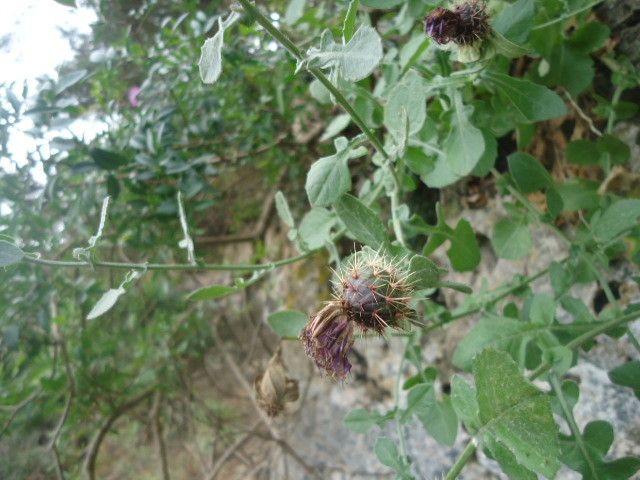
Centaurea fragilis: A Guide to Growing This Delicate Beauty from Seed
Centaurea fragilis, also known as the “delicate knapweed”, is a charming wildflower known for its soft, feathery blooms and delicate, light green foliage. While it’s classified as a perennial, it often behaves like a biennial, meaning it thrives in its second year of growth before blooming and potentially re-seeding. If you’re looking to add a touch of wildflower charm to your garden, propagating Centaurea fragilis from seed is a rewarding and affordable way to do so.
The Art of Seed Propagation
Centaurea fragilis is a plant that loves a sunny spot and well-drained soil. While you can purchase seeds, you can also collect them yourself from existing plants.
1. Harvesting Seeds:
- Once the flowers fade, the seed heads will develop a papery texture. Harvest them when they’re brown and dry.
- Carefully break open the seed heads and collect the small, brown seeds inside.
- Store the seeds in a dry, airtight container in a cool, dark place until you’re ready to sow.
2. Starting from Seed Indoors:
- Start your seeds indoors in early spring, 6-8 weeks before the last frost in your area.
- Fill seed trays with a seed starting mix and moisten it thoroughly.
- Sow the seeds thinly on the surface of the soil, and gently press them into the mix.
- Cover the seeds with a thin layer of soil.
- Mist the tray with water and cover it with a clear plastic dome or wrap to maintain moisture.
- Place the seed tray in a bright, warm location (around 65-70 degrees Fahrenheit).
- Keep the soil consistently moist but not soggy.
- Germination typically takes 1-2 weeks.
3. Transplanting Outdoors:
- Once the seedlings have developed 2-3 sets of true leaves, they’re ready to be transplanted outdoors.
- Harden off your seedlings by gradually acclimating them to outdoor conditions over a week or two.
- Choose a sunny spot with well-drained soil. Amend the soil with compost or aged manure, as Centaurea fragilis thrives in fertile ground.
- Space the seedlings 12-18 inches apart.
- Water them deeply after transplanting, and continue to water regularly, especially during dry periods.
4. Direct Sowing:
- You can also sow Centaurea fragilis seeds directly outdoors in fall.
- Prepare the soil by removing weeds and loosening the top layer.
- Scatter the seeds thinly over the prepared soil.
- Lightly rake the soil over the seeds to cover them, and water thoroughly.
- The seeds will germinate in spring.
Tips for Success:
- Thinning: Once the seedlings have grown a few inches tall, thin them out, leaving the strongest seedlings spaced 12-18 inches apart. This will promote healthier growth and better flowering.
- Watering: Water the seedlings regularly, especially during dry periods. However, avoid overwatering as it can lead to root rot.
- Fertilizing: You can fertilize lightly with a balanced fertilizer once the plants have established themselves.
- Deadheading: To encourage continuous flowering, deadhead the spent blooms by snipping them off just below the flower head.
Enjoying Your Centaurea Fragilis:
Growing Centaurea fragilis from seed allows you to enjoy the delicate beauty of this charming wildflower in your own garden. The airy blooms will attract pollinators and add a touch of natural wonder to your landscape. Remember to observe the flowering cycle and enjoy the subtle transformation of these wildflowers as they transition through the seasons.