
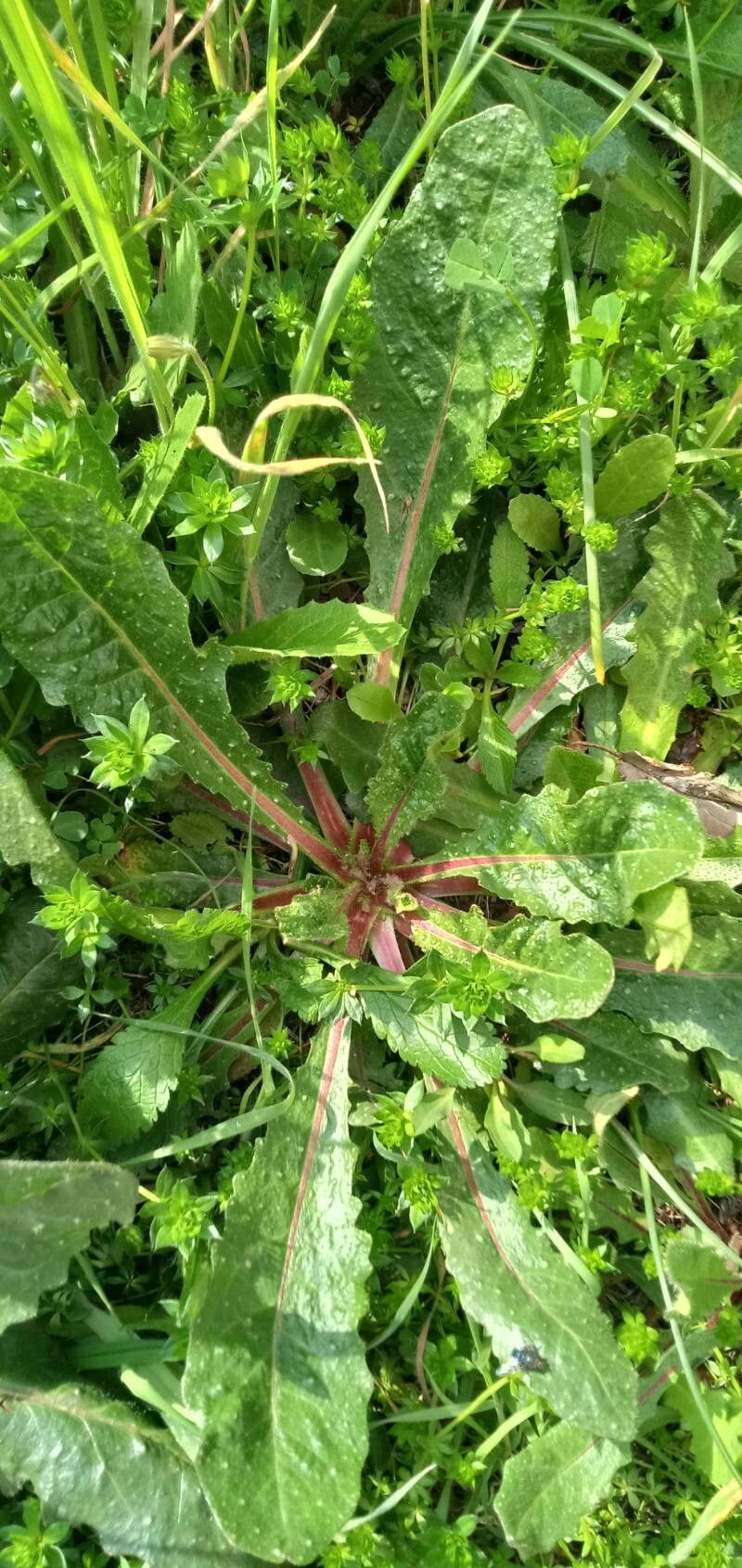
From Seeds to Blooms: The Easy Guide to Propagating Crepis mollis
Crepis mollis, also known as soft hawk’s-beard or woolly hawk’s-beard, is a beautiful and easy-to-grow wildflower with soft, silvery-green foliage and cheerful yellow blooms. But did you know that you can also easily propagate this plant yourself? It’s a satisfying and rewarding experience, allowing you to create a whole new generation of these delightful wildflowers.
Whether you’re looking to fill your garden with more of this stunning plant or share its beauty with friends, mastering the art of Crepis mollis propagation is a great way to add to your horticultural skills.
The Two Main Methods
There are two primary methods for propagating Crepis mollis: from seed and by division. Let’s explore each in detail:
1. Propagation from Seed
Crepis mollis readily produces seeds, making this the simplest way to get new plants. Here’s a step-by-step guide:
Collect Seeds: In late summer or early fall, the flower heads will mature and produce brown, fluffy seed heads. Collect the seed heads by cutting them off the plant and allowing them to dry in a paper bag. Once dry, the seeds will detach easily.
Sowing Seeds: You can sow seeds directly into the ground in the fall or early spring. Choose a sunny spot with well-drained soil. Scatter the seeds thinly and cover with a light layer of soil. Water gently.
- Germination and Care: Keep the soil consistently moist but not soggy. Seeds will germinate within a few weeks. Thin seedlings once they have a few true leaves to give them space to grow.
2. Propagation by Division
Division is another effective way to increase your Crepis mollis population. Here’s how:
Timing: The best time for division is in spring or early fall when the plant is actively growing.
Dividing the Plant: Carefully dig up the plant and gently separate it into individual clumps. Each clump should have its own set of roots and a few leaves.
- Replanting: Plant the divided clumps in new locations with well-drained soil and full sun. Water thoroughly to help them establish.
Important Tips for Success
Soil: Crepis mollis thrives in well-drained soil. Avoid planting it in areas with heavy clay, as this can lead to root rot.
Sunlight: This plant enjoys full sun but can tolerate partial shade.
Watering: While Crepis mollis is drought-tolerant once established, regular watering is essential during the first year after planting.
- Fertilizer: This plant is not heavy feeder and doesn’t require much extra fertilizer.
Benefits of Propagating
Propagating Crepis mollis offers several advantages for gardeners:
- Easy and Affordable: Both seed and division methods are relatively easy and inexpensive ways to create more plants.
- Increased Variety: This allows you to multiply your favorite plants, including those with unique flower colors or growth habits.
- Sharing with Others: You can share seedlings or divisions with friends and family, spreading the joy of this beautiful plant.
Conclusion
Crepis mollis is a delightful addition to any garden, offering a burst of yellow color and an attractive, soft texture. With its ease of propagation, you can easily expand your collection and enjoy its beauty for years to come. Whether you choose to start from seed or divide existing plants, the process is straightforward and rewarding, allowing you to create a thriving network of these beautiful wildflowers. Happy propagating!