
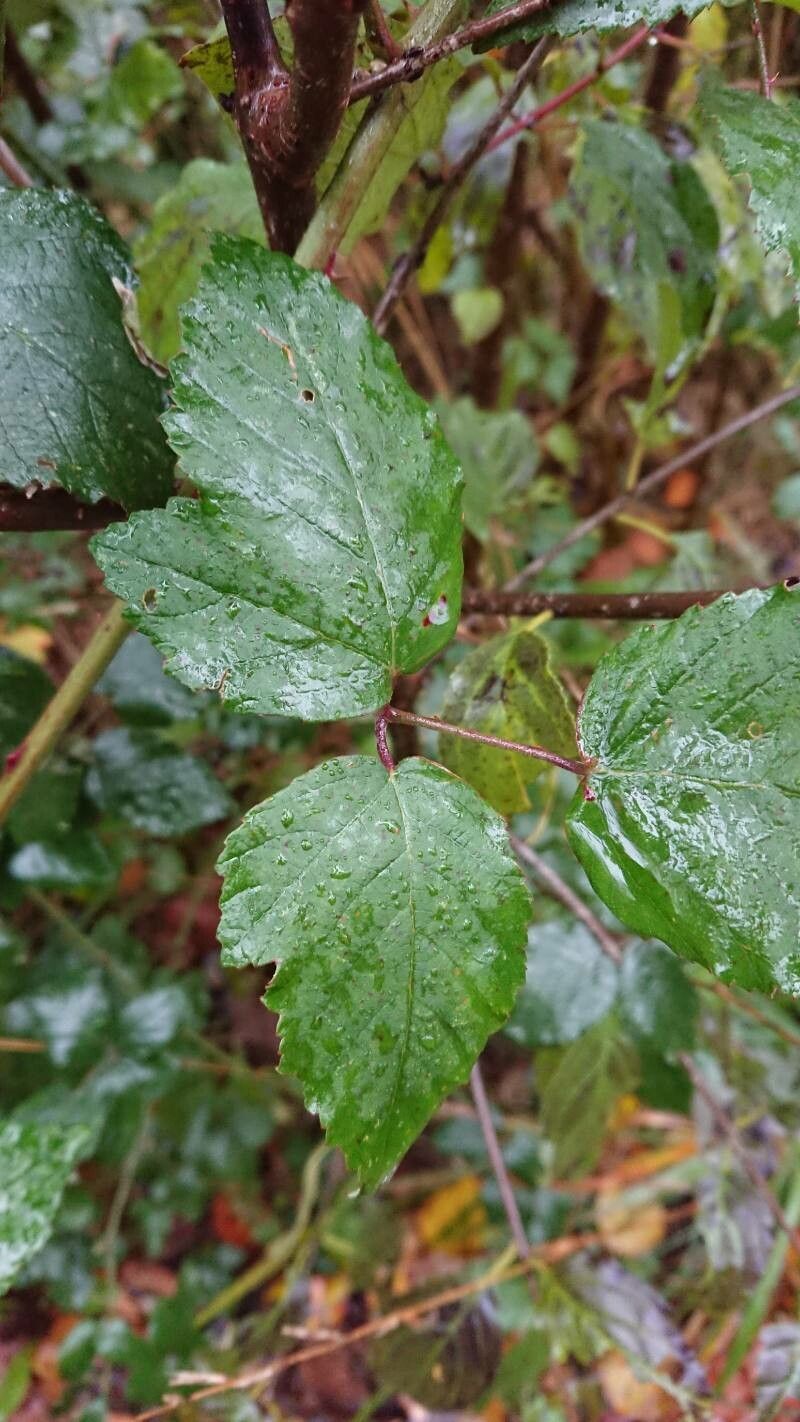
Spreading the Beauty: Propagating the White-Flowered Raspberry (Rubus albiflorus)
The White-Flowered Raspberry (Rubus albiflorus), also known as the White-Flowered Blackberry, is a stunning plant with delicate white flowers and delicious, flavorful berries. Its unique appeal lies not only in its beauty but also in its ease of propagation. Spreading the beauty of this plant is a rewarding experience, and with the right techniques, even novice gardeners can successfully cultivate their own patch of white-flowered raspberries.
Methods of Propagation:
Several methods can be employed to propagate the White-Flowered Raspberry. Here are two popular and effective ones:
1. Division:
- Best Time: Spring or early autumn
- Process:
- Carefully dig up a healthy, established plant.
- Separate the plant into smaller portions, ensuring each section has a healthy root system and several stems.
- Plant the divisions in fresh soil, ensuring the roots are covered and the stems are above ground.
- Water generously and provide shade until the plants establish themselves.
2. Root Cuttings:
- Best Time: Late autumn or early winter (dormant season)
- Process:
- Choose healthy, one-year-old canes from the base of the plant.
- Cut the canes into 6-8 inch sections, ensuring each section has at least one bud.
- Plant the cuttings horizontally in a seed tray filled with a well-draining potting mix.
- Cover the cuttings with a layer of soil, leaving the buds exposed.
- Water generously and maintain a moist environment.
- Once the cuttings have rooted (usually in a few weeks), they can be potted up individually or transplanted directly into the garden.
Factors for Success:
- Soil: White-Flowered Raspberries thrive in well-drained, fertile soil with a slightly acidic pH.
- Sunlight: They prefer full sun to partial shade.
- Watering: Consistent watering is crucial for successful propagation. Especially during the initial establishment period, ensure the soil remains moist but not waterlogged.
- Fertilizer: Light fertilization with a balanced fertilizer throughout the growing season can enhance growth and berry production.
- Pests and Diseases: These plants are generally resistant to pests and diseases. However, be vigilant for common raspberry pests like spider mites and aphids.
Enjoying the Fruits of Your Labor:
With proper care and patience, your propagated White-Flowered Raspberry plants will thrive and reward you with lovely white blooms and delicious berries in the following season. You can enjoy fresh berries directly from the plant or use them in jams, pies, and other culinary delights.
Beyond the Garden:
Propagating this beautiful plant is a wonderful way to share its charm with friends and family. Whether you’re gifting a new plant or simply enjoying the fruits of your own labor, the White-Flowered Raspberry offers a fulfilling gardening experience filled with beauty and deliciousness.