
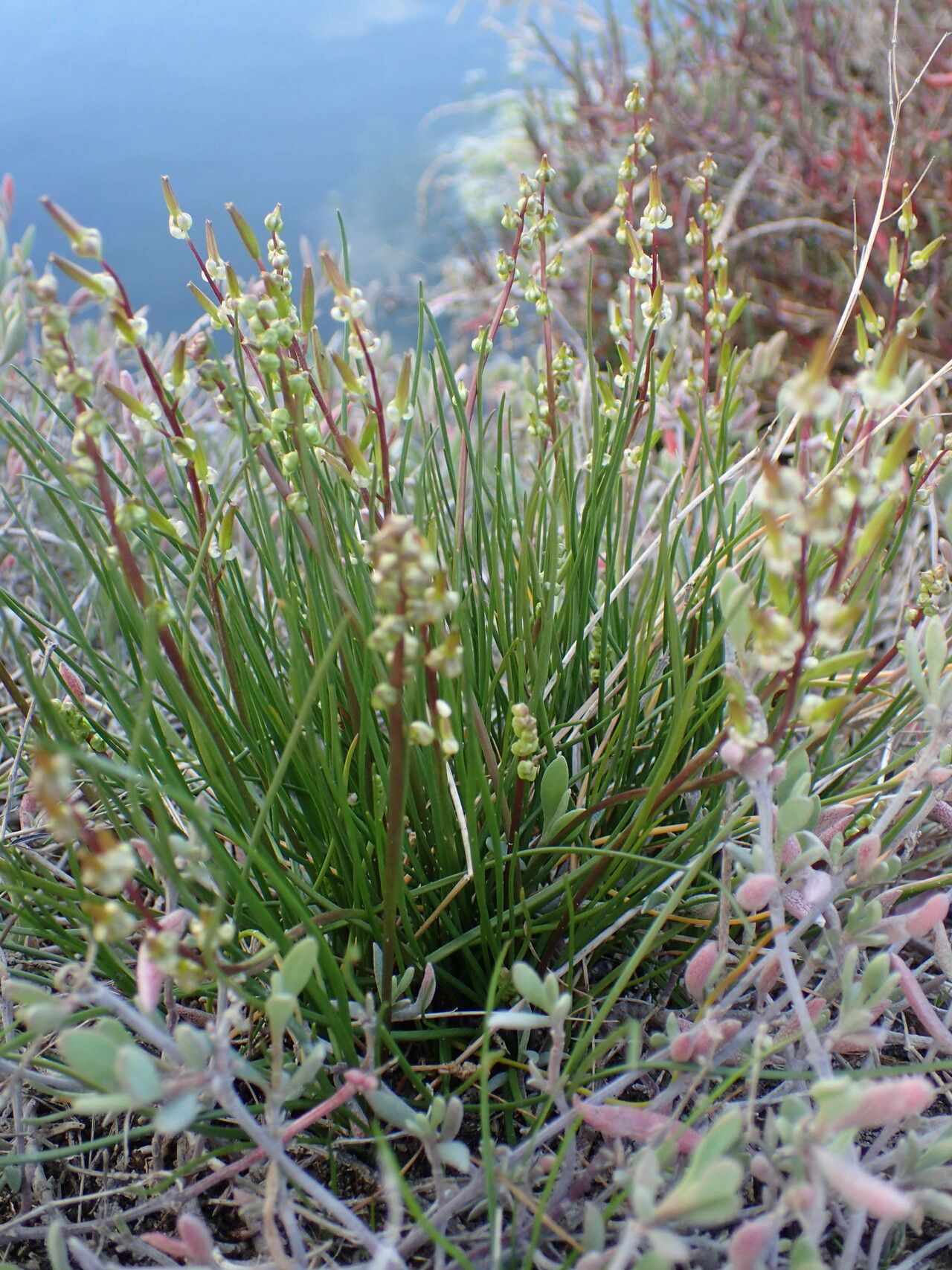
Conquering Saltmarshes: How to Propagate Triglochin barrelieri
The world of plants is vast, and within it lies a fascinating array of species adapted to thrive in the most unique and sometimes harsh environments. Take, for instance, Triglochin barrelieri, a resilient perennial commonly known as the “Sea Arrowgrass”. This remarkable plant, with its grass-like foliage and captivating flowers, thrives in saltmarshes – those dynamic coastal ecosystems bathed in saltwater.
While its natural habitat might seem daunting, propagating Triglochin barrelieri can be a rewarding experience for anyone passionate about gardening, even those with limited green thumbs. This blog post will guide you through the process, allowing you to add this unique plant to your own collection and learn about its fascinating adaptations.
Understanding the Plant:
Triglochin barrelieri belongs to the Juncaginaceae family and stands out with its succulent, bright green leaves that grow from a basal rosette. These leaves are often linear and tapered to a point – hence the name “Sea Arrowgrass”. The plant produces clusters of tiny, inconspicuous greenish-brown flowers, followed by distinctive fruiting stalks.
Propagation Methods:
There are two primary methods for propagating Triglochin barrelieri – seed propagation and division.
Seed Propagation:
- Collecting Seeds: Triglochin barrelieri produces seeds that are small and brown. Harvest these seeds from mature seedheads – the best time for collection is late summer or early fall.
- Preparing the Seeds: Before sowing, you can soak the seeds in warm water for a few hours to improve germination rates.
- Sowing the Seeds: Sow the seeds in a well-drained seed starting mix containing a good amount of sand. Keep the soil moist and warm (around 70 degrees Fahrenheit). Germination can take several weeks.
- Transplanting Seedlings: Once seedlings have developed a few true leaves, they can be transplanted into individual pots or directly into the garden.
Division:
- Timing: The best time to divide Triglochin barrelieri is during the early spring, before new growth emerges.
- Process: Gently lift the plant from the ground and carefully separate the clumps using a sharp knife or spade. Ensure each division has a good root system.
- Planting: Replant the divisions in fresh soil, spacing them according to the plant’s mature size.
A Note on Soil and Environment:
Triglochin barrelieri prefers a sandy, well-drained soil, similar to its natural habitat. These plants require a location with full sun to partial shade.
Benefits of Propagating Triglochin barrelieri:
Beyond its aesthetic appeal, propagating this plant offers several benefits:
- Ecological Restoration: Triglochin barrelieri plays a significant role in maintaining healthy coastal ecosystems. By propagating it, you contribute to its conservation and help restore degraded areas.
- Unique Addition to Gardens: It’s a unique addition to coastal gardens, water gardens, and even container gardens. Its ability to tolerate salty conditions makes it an ideal choice for coastal regions.
- Educational Value: Growing this plant allows you to teach yourself and others about the fascinating adaptations of saltmarsh plants.
From Seeds to Blooms:
Propagating Triglochin barrelieri may initially sound challenging, but with patience and a little knowledge, you can successfully grow this remarkable plant in your own garden. Enjoy the satisfaction of nurturing this hardy species and witnessing its resilience in your own backyard.