
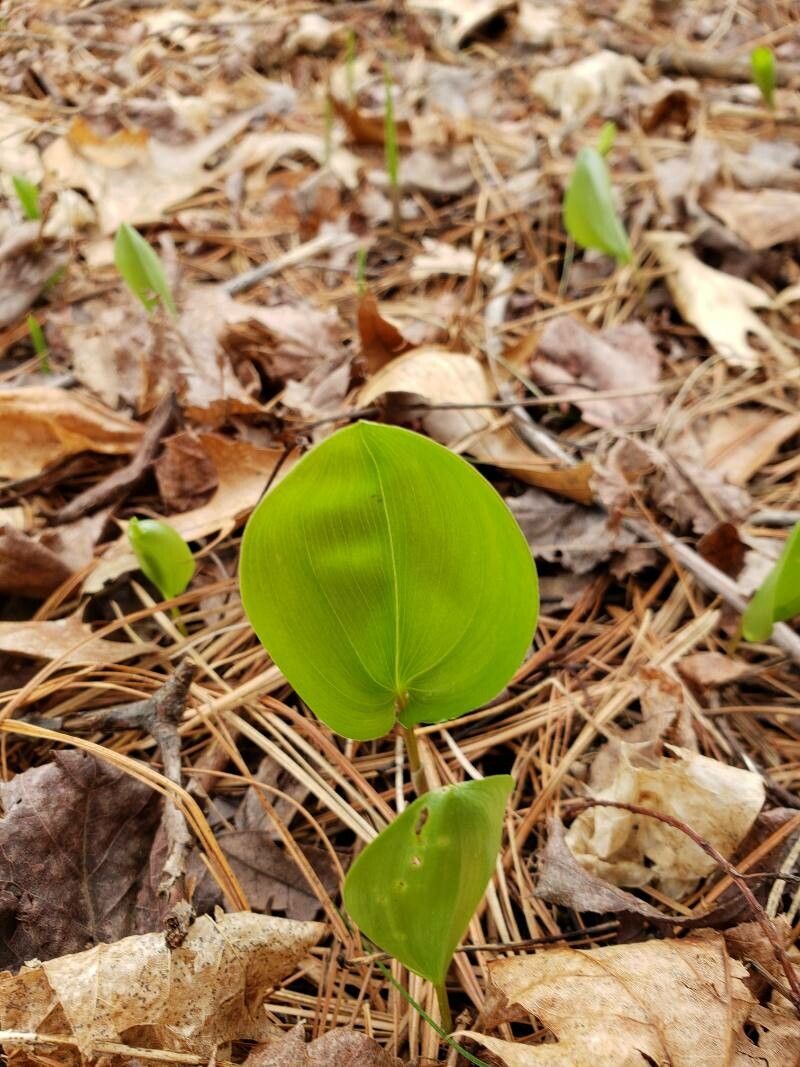
Unleash the Magic of Wild Ginger: Propagating Maianthemum canadense
Wild ginger (Maianthemum canadense) with its delicate white flowers and charming foliage, is a welcome addition to any woodland garden. And the best part? It’s surprisingly easy to propagate, allowing you to share this beautiful plant with friends and neighbors or expand your own collection.
This enchanting groundcover, also known as Canada mayflower, is prized for its ability to spread quickly and its low-maintenance nature. But don’t let its ease fool you, there’s a bit of magic involved in its propagation.
The Two Main Methods for Propagation:
Division: This is the most popular and successful way to propagate wild ginger.
- Timing: The best time for division is in early spring, just as new growth emerges, or in late summer after flowering.
- Process:
- Gently dig up a mature clump of wild ginger.
- Separate the clump into smaller sections, each with multiple stems and roots.
- Replant the divisions immediately in a suitable location, spacing them a foot apart.
- Water well after planting and keep the soil consistently moist until the divisions establish themselves.
- Seed Propagation: This method requires a bit more patience but can yield many new plants.
- Timing: Wild ginger seeds require cold stratification, meaning they need a period of chilling before they can germinate. Collect mature seeds in late summer or early fall and store them in a moist medium in a cool, dark place for several months.
- Process:
- Sow the stratified seeds in a seed tray filled with a well-draining potting mix in late winter or early spring.
- Keep the soil consistently moist but not soggy.
- Germination can take several weeks or even months.
- Once the seedlings have developed a few true leaves, they can be transplanted into individual pots or directly into the garden.
Important Considerations:
- Sunlight: Wild ginger thrives in shady conditions, so choose a spot that receives dappled shade or dappled sunlight.
- Soil: A rich, well-drained, humusy soil is ideal for wild ginger. You can amend your soil with compost or leaf mold.
- Watering: Keep the soil consistently moist, especially during the first year after planting.
- Maintenance: Wild ginger is a low-maintenance plant, but it may need occasional weeding and deadheading to improve its appearance.
Disease and Pests: Wild ginger is generally resistant to pests and diseases, but slug and snail damage can occur.
Sharing the Magic:
Propagating your wild ginger can be a truly enriching experience. Watching these delicate plants emerge from the soil, knowing that you’ve created a bit of botanical magic, is a rewarding feeling. Share the joy of wild ginger with your friends and family and help spread its beauty throughout your community!