
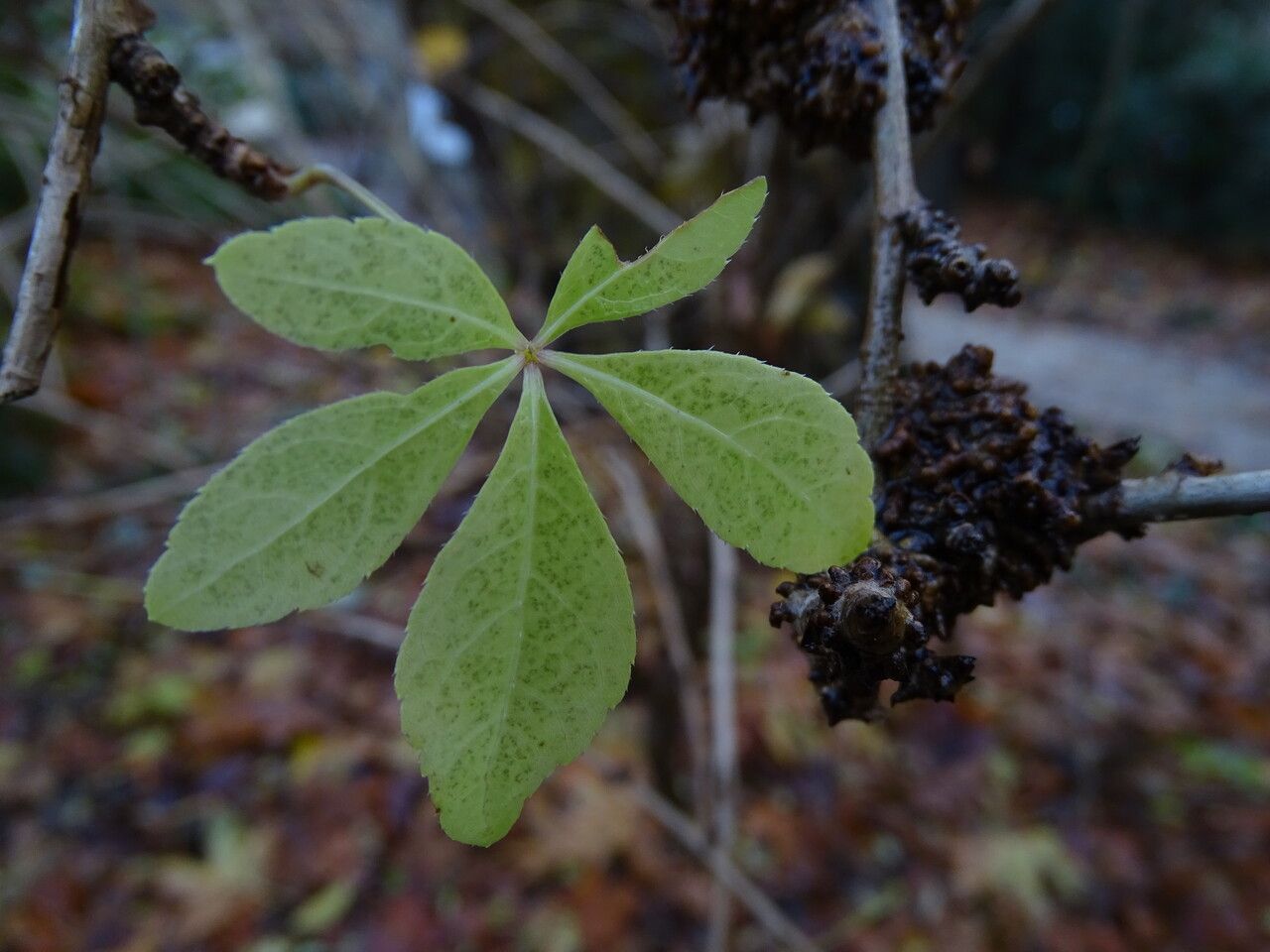
Unlocking the Secrets of Siberian Ginseng: A Guide to Propagating Eleutherococcus nodiflorus
Eleutherococcus nodiflorus, commonly known as Siberian ginseng, is a fascinating plant with a rich history and a reputation for supporting overall well-being. Its medicinal benefits have been recognized for centuries, but did you know that you can also grow this powerful plant right in your own garden? With a little patience and the right techniques, propagating your own Siberian ginseng is a rewarding journey that will bring you closer to this remarkable plant.
Understanding the Process: A Look at Propagation Methods
Siberian ginseng can be propagated through several methods, each with its own advantages and considerations:
Seed Propagation: This method requires patience, as Siberian ginseng seeds can take up to two years to germinate. However, it’s the most widely used method and allows for the creation of new, genetically diverse plants.
Division: This method involves separating established plants into smaller portions, each containing roots and shoots. Division is best performed in early spring or late fall when the plant is dormant. While it’s quicker than seed propagation, it can be more challenging with some plants.
- Cuttings: This technique involves taking stem cuttings and encouraging them to develop roots. While Siberian ginseng is generally considered difficult to propagate from cuttings, some gardeners have achieved success with semi-hardwood cuttings taken in late summer.
The Power of Seeds: A Step-by-Step Guide
Here’s a detailed look at how to propagate Siberian ginseng from seeds:
Harvesting Seeds: Collect ripe, red berries from your Siberian ginseng plant in late summer or early autumn.
Preparing Seeds: Clean the seeds by removing the fleshy pulp. To break dormancy, you’ll need to stratify the seeds by exposing them to cold temperatures. This can be done by placing them in a moist medium (like vermiculite or peat moss) and storing them in a refrigerator for 60-90 days.
Sowing Seeds: Sow the seeds in a seed tray or small pots filled with a well-draining seed-starting mix. Cover the seeds with a thin layer of soil and mist them gently. Maintain a consistently moist environment until germination, which can take up to 18 months.
- Transplanting Seedlings: Once the seedlings have developed a few true leaves, transplant them individually into larger pots or directly into the garden. Choose a location that receives partial shade and has well-drained soil.
Beyond the Basics: Tips for Successful Propagation
Patience is Key: Siberian ginseng can be slow-growing, so don’t be discouraged if you don’t see results immediately.
Proper Soil and Location: Ensure your chosen soil drains well and provides adequate moisture. A shaded location with dappled sunlight is ideal.
Consistent Moisture: While Siberian ginseng prefers moist soil, it also needs good drainage to prevent root rot.
- Fertilizer Application: Use a balanced fertilizer during the growing season to provide your plants with the nutrients they need.
The Rewards of Propagation:
Growing Siberian ginseng from seed or propagating it using other methods can be a rewarding experience. Not only will you have a healthy and thriving plant, but you’ll also gain a deeper appreciation for this valuable herb. Remember, the journey of propagation is as much about understanding the plant’s life cycle as it is about nurturing its growth and enjoying its many benefits. So, start your journey today and discover the magic of growing your own Siberian ginseng!