
From Seed to Supper: Growing Your Own Tef for a Gluten-Free Feast!
Tef, the tiny grain that’s been fueling Ethiopian kitchens for centuries, is finally gaining popularity worldwide. This gluten-free superfood is packed with nutrients and boasts a nutty flavor that makes it incredibly versatile. But where do you start if you want to grow your own tef? The answer, as with many amazing plants, lies in propagation!
A Seed of Potential
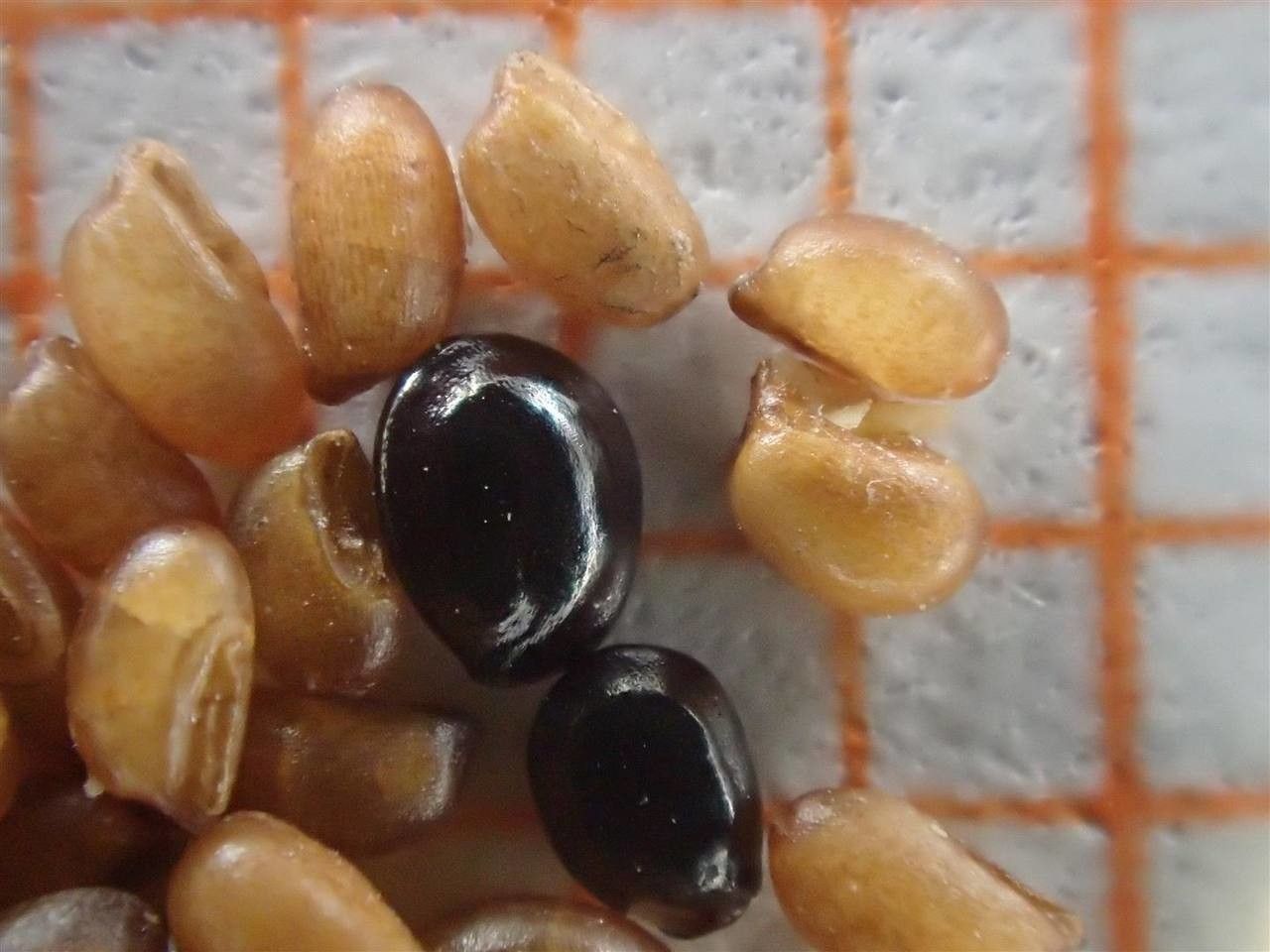
Tef is almost exclusively propagated by seed. This simple method ensures you can enjoy a bountiful harvest year after year. To get started, you’ll need to source some tef seeds. You can find them online from reputable seed sellers or even at local farmers’ markets.
Timing is Key
Tef thrives in warm climates, so you’ll want to choose a time that suits your local weather conditions. The best time to sow tef seeds is in spring or summer when the soil is warm and the threat of frost has passed.
Sowing Success
Once your seeds are ready, follow these steps for a successful sowing:
- Prepare the Soil: Tef prefers a well-drained soil, but it can tolerate a variety of conditions. Work the soil to a depth of about 6 inches and remove any weeds.
- Direct Sow: Tef seeds are tiny, so they don’t need to be planted deep. Simply sprinkle the seeds directly on the soil surface and lightly rake them in.
- Keep it Moist: Tef seeds need consistent moisture to germinate. Water them regularly, but avoid overwatering which can lead to fungal issues.
- Maintain Spacing: For adequate growth, give your tef seedlings about 6 inches of space between them. If you’re planting in rows, aim for a row spacing of 1-2 feet.
The Art of Patience
Tef seeds can take anywhere from 10 days to 3 weeks to germinate. Don’t worry if it takes a little longer, just be patient! Once they emerge, continue watering and weeding regularly, and you’ll be well on your way to a flourishing tef patch.
Beyond the Basic
While direct sowing is the most common method, you can also try starting your tef seeds indoors for an earlier harvest. This involves starting the seeds in individual pots and transplanting them outdoors once they’ve developed a strong root system.
Harvest Time!
Tef is ready for harvest when the seed heads turn brown and the grains are mature. This usually happens around 3-4 months after sowing. You can harvest the seed heads by hand or use a sickle. After drying the seed heads in a cool, dry place, thresh them to separate the grains from the husks.
From Seed to Supper: A Rewarding Journey
Growing your own tef is a fulfilling experience that allows you to enjoy the benefits of this unique grain from seed to supper. Whether you’re a seasoned gardener or a curious novice, the simplicity and joy of cultivating tef are sure to leave you with a deep appreciation for this ancient and nutritious crop. So, why not try your hand at growing tef and discover the delicious world of gluten-free cooking!