
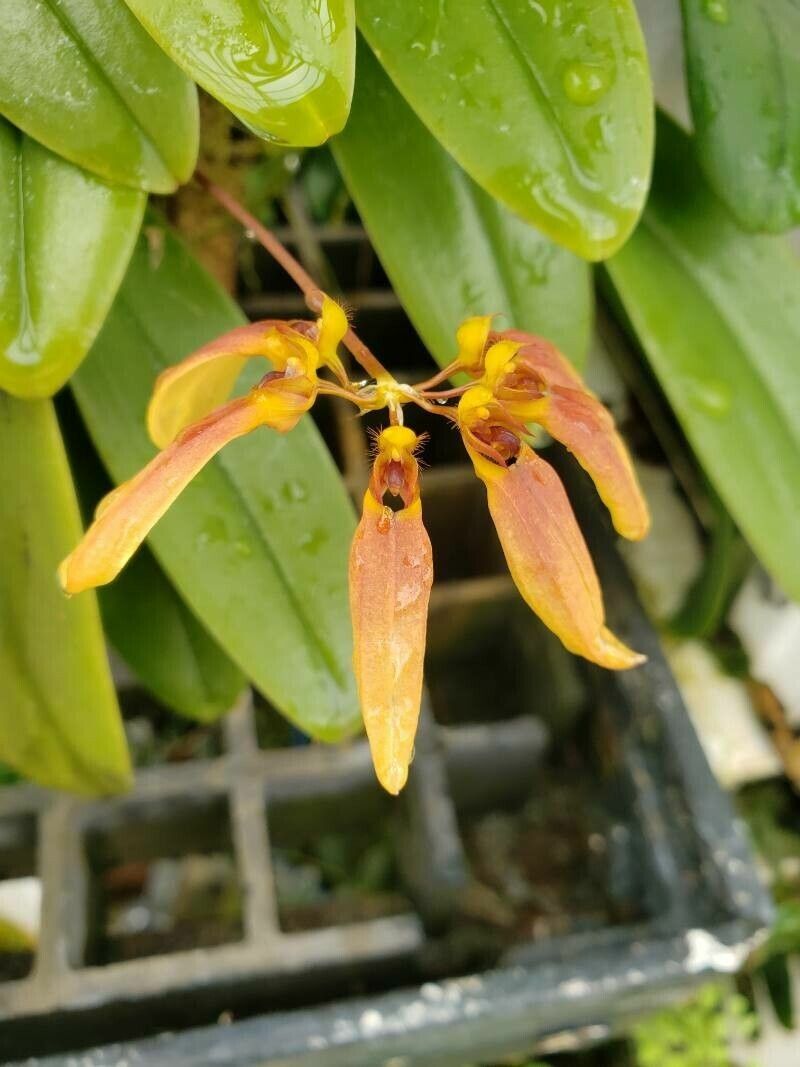
Unlocking the Secrets of Bulbophyllum cumingii Propagation: A Guide for the Curious
The Bulbophyllum cumingii, with its captivating spidery flowers adorned in striking hues, is a treasure for any orchid enthusiast. But for those wishing to expand their collection, the question of propagation arises. While it may seem daunting at first, understanding the basics of Bulbophyllum cumingii propagation can empower you to successfully grow more of these stunning orchids.
Understanding the Basics: A Look at the Bulbophyllum cumingii
Bulbophyllum cumingii, a member of the Bulbophyllum genus, is an epiphytic orchid, meaning it grows naturally on trees in its native habitat. It’s known for its unique flowers, which resemble spiders with long, slender petals. These flowers can be various colors depending on the variety, from deep purple to vibrant orange.
Methods of Propagation: Choosing the Right Path
The most common methods of propagating Bulbophyllum cumingii are:
Division: This method involves carefully separating a mature plant into two or more sections, each with its own root system. However, this method should be used with caution as it can be stressful to the plant and might require a significant amount of time for the divisions to re-establish themselves.
Keiki: Keikis, or baby plants, are miniature replicas of the parent plant that develop on the plant’s stems or leaves. They can be carefully separated and potted once they have their own root system. Often these keikis will form naturally, but they can be stimulated with the use of cytokinins, plant hormones that encourage the plant to produce them.
- Seed Propagation: While possible, seed propagation is considered a specialized method for Bulbophyllum cumingii. It involves planting seeds in a sterile medium and requires a specific environment for successful germination. This method is often undertaken by experienced orchid breeders.
Practical Steps: Cultivating a New Generation
- Prepare for Division: Choose a mature, healthy plant that has multiple growth points. Sterilize your tools (scissors, a sharp knife) with rubbing alcohol to prevent any infections.
- Divide Carefully: Detach the plant using clean, sharp tools, ensuring each division has roots and multiple growths.
- Potting & Care: Repot the divisions immediately after division. Use a well-draining potting mix specifically designed for orchids and provide adequate humidity.
A Note on Keiki Growth:
Monitoring your Bulbophyllum cumingii for keikis is essential. If a keiki develops, ensure it produces sufficient roots before separating it from the parent plant. Carefully remove the keiki with a sharp, sterilized tool and pot it in a separate container.
Important Considerations:
- Time of Year: Ideally, propagation should take place during the active growth season, typically spring or summer.
- Humidity & Temperature: Ensure the environment provides sufficient humidity and warmth. You can use a humidifier or place a tray of water near your orchids.
- Patience is Key: Bulbophyllum cumingii may take some time to establish themselves, especially with division. Be patient and provide consistent care.
The Rewards of Propagation:
The rewards of propagating Bulbophyllum cumingii are immense. Not only can you expand your orchid collection, but you can also share your passion with others. By understanding and practicing these methods, you’ll contribute to the continued beauty and diversity of these fascinating orchids. So, pick your method and embark on this rewarding journey of plant propagation!