
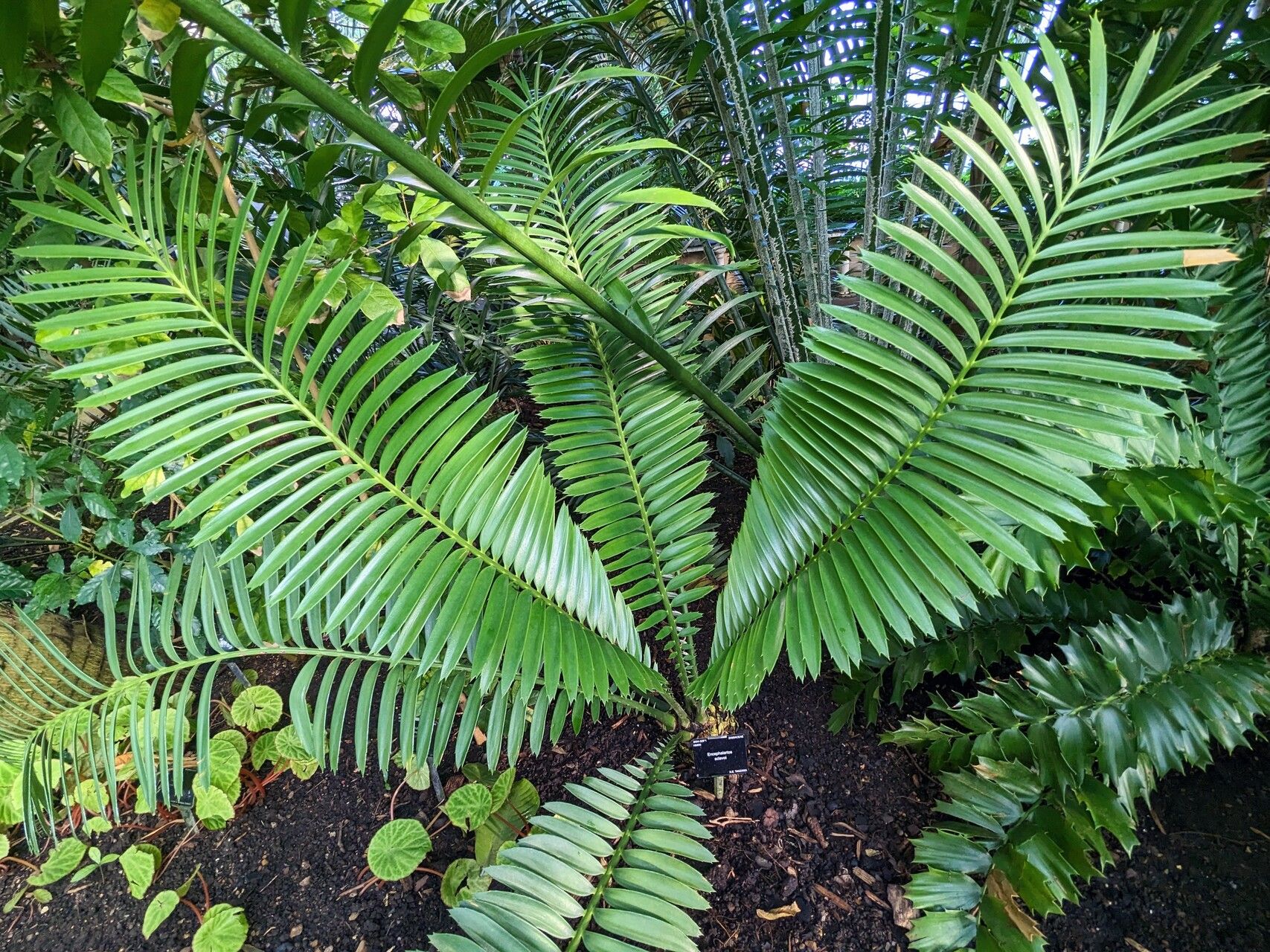
Bringing Life to the Ancient: Propagating the Encephalartos sclavoi
The Encephalartos sclavoi, a majestic cycad native to the arid regions of Mozambique, is a living fossil. Its presence on Earth dates back millions of years, lending it a captivating air of mystery and wonder. For those fascinated by these ancient giants, the desire to propagate them and share their beauty is strong. While not as readily available as other houseplants, propagating the Encephalartos sclavoi is a rewarding process – though it requires patience and some specific horticultural knowledge.
The Two Main Options: Seeds and Offsets
There are two primary methods for propagating Encephalartos sclavoi: seed germination and offset propagation.
- Seed Germination: This method, while more time-consuming, allows you to grow a new plant from scratch. Encephalartos sclavoi seeds need a specific environment to germinate. After harvesting, you must remove the fleshy outer coating and scarify the seeds – either by rubbing them with sandpaper or soaking them in a weak acid solution – to break through the hard outer shell.
- Offset Propagation: This method is faster and involves separating a small, developing plant that grows at the base of the parent plant. Offsets are essentially clones of the parent plant, with a strong genetic resemblance.
Seed Germination Step-by-Step:
- Prepare the Seed: Scarify the seeds and soak them in warm water for 24 hours. This softens the seed coat and encourages germination.
- Choose a Suitable Medium: A well-draining, sandy potting mix that retains some moisture is ideal. Perlite or vermiculite can be added for better drainage.
- Plant the Seeds: Sow the seeds in pots or trays, burying them 1-2 times their diameter. Ensure the potting mix remains consistently moist but not waterlogged.
- Provide Ideal Conditions: Place the pots in a warm, well-lit location, but avoid direct sunlight. A humidity dome can be used to create a more humid environment, promoting germination.
- Patience is Key: Encephalartos sclavoi seeds can take several months to germinate. Maintain consistent warmth and moisture, and be patient as you wait for those first tiny shoots to emerge.
Offset Propagation: A Simpler Approach:
- Choose a Healthy Offset: Select an offset that is firmly rooted and has its own set of leaves.
- Preparation: Carefully loosen the roots and gently separate the offset from the parent plant.
- Planting the Offset: Plant the offset in a pot with a good drainage potting mix.
- Aftercare: Keep the offset in a well-lit location and water regularly. Ensure the potting mix stays moist, but not soggy.
Important Considerations:
- Climate and Light: Encephalartos sclavoi thrives in warm climates with bright, indirect sunlight.
- Watering: Ensure adequate watering, especially during the growing season. However, avoid overwatering, as it can damage the plant’s roots.
- Fertilization: Use a balanced fertilizer diluted to half strength during the growing season.
- Patience: Propagation can take time. Be patient and consistent with your care, allowing the plant to settle in and establish itself.
Protecting an Endangered Species:
It’s crucial to remember that Encephalartos sclavoi is a threatened species, and its propagation should be approached with a sense of responsibility. Ensure that your propagation methods are responsible and ethical, taking into account the conservation status of this unique species.
Living with History:
Propagating the Encephalartos sclavoi is an enriching journey that allows you to connect with an ancient lineage. It’s a testament to the resilience of life and a reminder of the importance of conservation. By understanding the intricacies of their propagation and diligently caring for them, you become a custodian of this remarkable species, ensuring their continued presence for generations to come.