
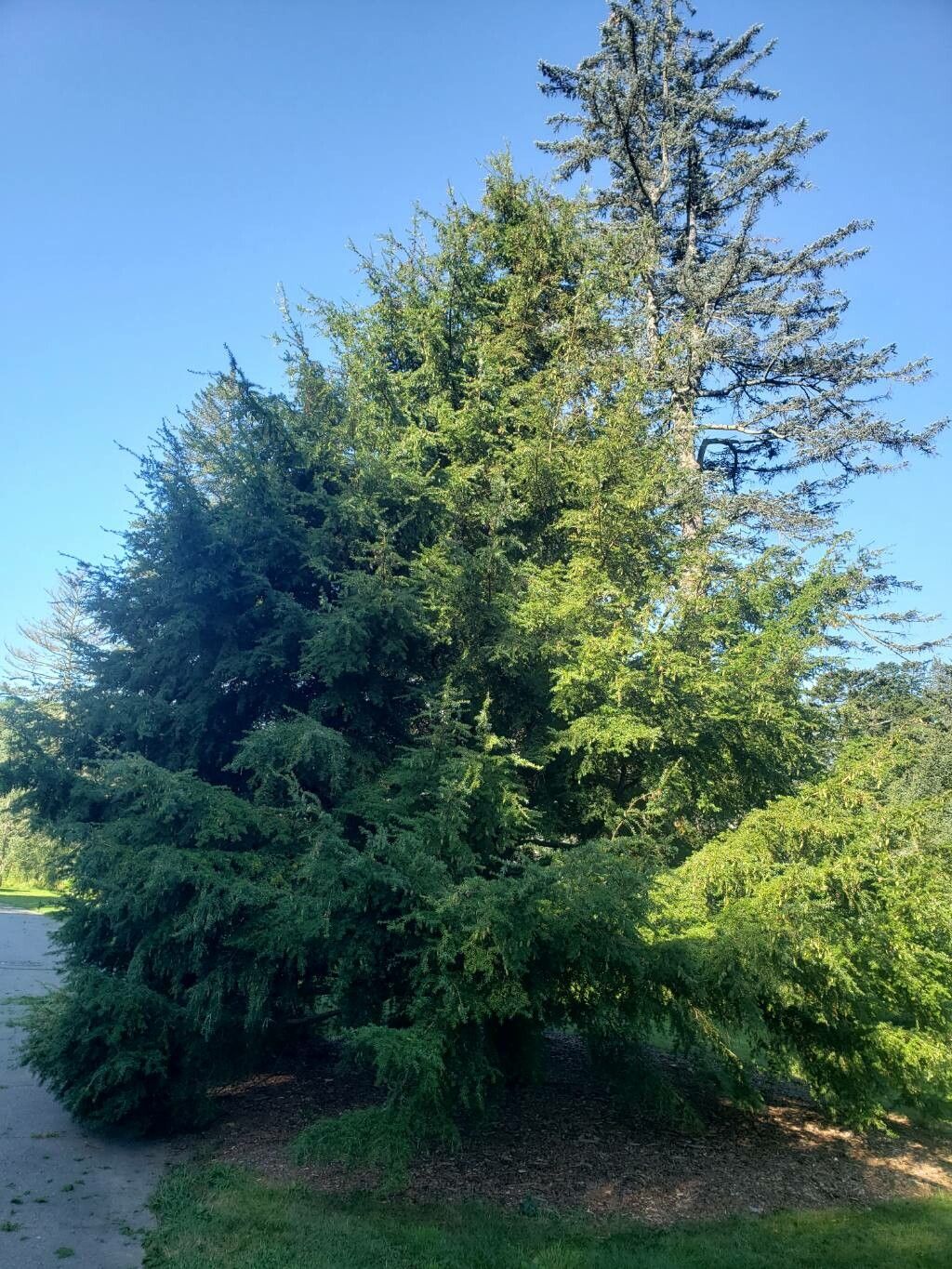
From Seed to Sapling: Propagating the Carolina Hemlock (Tsuga caroliniana)
The Carolina Hemlock (Tsuga caroliniana), with its graceful drooping branches and delicate, dark green needles, is a striking addition to any landscape. But securing this beauty can be a challenge, as it’s not always readily available commercially. Fear not, green thumbs! Propagating Carolina Hemlock at home is achievable even for beginners, offering a rewarding way to enjoy this magnificent tree.
From Seed to Success:
The most common method for growing Carolina Hemlock is from seed. Here’s a breakdown of the process:
- Harvesting Seeds: Look for mature cones on the tree in the fall, typically September to October. The cones will be brown and woody, and the seeds should be readily visible once the cone opens.
- Stratification: Carolina Hemlock seeds require a period of cold stratification to break their dormancy. This mimics the winter conditions they experience naturally. Place the seeds in a plastic bag filled with moist peat moss or vermiculite and refrigerate them for 3-4 months at temperatures between 34°F and 41°F.
- Sowing Seeds: After stratification, sow the seeds in a seed tray or pot filled with a well-draining seed starting mix. Cover the seeds with a thin layer of soil and water gently. Maintain a consistently moist environment.
- Germination: Germination typically takes between 4 and 8 weeks. Keep the seedlings in a shady location with consistent moisture, and protect them from harsh sunlight and wind.
Patience is Key:
Unlike some faster-growing plants, Carolina Hemlock seedlings can be relatively slow to develop. Be patient, as it may take a few years for them to reach a respectable size. However, their growth rate will increase as they mature.
Beyond Seeds: Exploring Other Propagation Options:
While seed propagation is the most common method, you can also try:
- Cuttings: Taking softwood cuttings in the spring or early summer can be successful. This involves taking a 4-6 inch cutting from the current year’s growth, removing lower leaves, and dipping the cut end in rooting hormone. Place the cutting in a pot filled with rooting mix and keep it consistently moist.
- Layering: Air layering is another option for propagating Carolina Hemlock. This technique involves gently scoring a branch, wrapping it with moist sphagnum moss, and securing it with plastic wrap. Roots should develop within a few months.
Providing the Best Conditions for Success:
Regardless of your chosen propagation method, ensuring the right growing conditions is crucial for the success of your Carolina Hemlock. Here are some key considerations:
- Light: Young seedlings prefer dappled shade. As the tree matures, it can tolerate full sun but will thrive in partial shade.
- Soil: Carolina Hemlock prefers well-drained, acidic soil with a pH between 5.0 and 6.5.
- Watering: Keep the soil consistently moist, but avoid overwatering.
- Fertilizing: In the spring, you can give the trees a light application of an acid-loving fertilizer.
Protecting Your Hemlock from Threats:
Carolina Hemlock is sadly vulnerable to the invasive Hemlock Woolly Adelgid (HWA), a sap-sucking insect that can severely damage and kill the tree. Monitor your hemlocks for signs of infestation, such as white, cottony masses on the branches and needles. If you find HWA, there are various control methods you can employ, from insecticidal sprays to biological control agents.
Bringing Beauty and Nature’s Grace to Your Landscape:
Propagating the Carolina Hemlock allows you to enjoy this stunning tree’s elegant form and lush green foliage at your own pace. With patience, care, and some knowledge of its needs, you can successfully bring a piece of the forest’s beauty into your own backyard.