
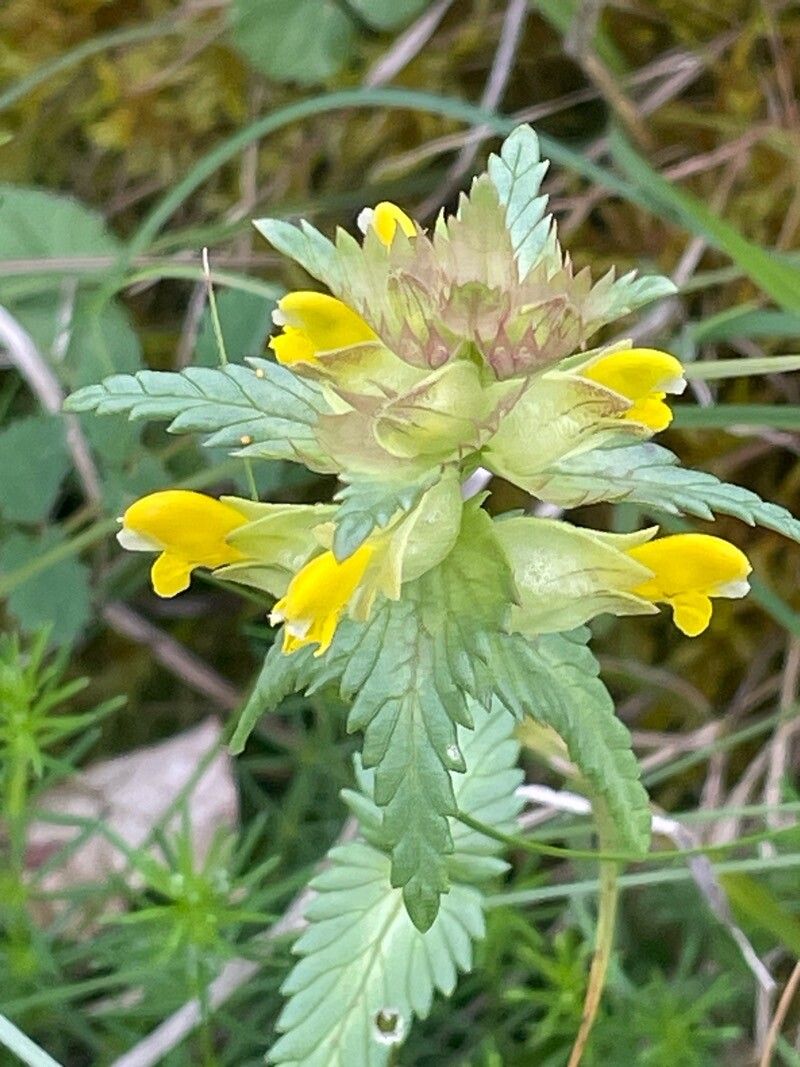
“Yellow Rattle” : The Quirky Way to Spread This Wildflower
The Yellow Rattle (Rhinanthus minor) isn’t your typical glamorous garden flower. It’s a wildflower, yes, but its charm lies in its unique personality and its role in the ecosystem. More than just a pretty face, this plant is a champion of biodiversity, and understanding its propagation is a key to unlocking its potential in your own garden or wildflower meadow.
A Rattle, Not a Rose
The Yellow Rattle gets its name from the dry, rattling seeds within its seed pods. These pods are what give the plant its distinct character, and they’re the key to propagation. Unlike many flowers, the Yellow Rattle relies on seed propagation. It doesn’t produce runners or spread through divisions like other garden stalwarts. This means that its success depends on effectively dispersing its seeds.
A Helping Hand for Nature
The Yellow Rattle is a semi-parasitic plant. This means it can photosynthesize, but it also taps into the roots of neighboring grasses for extra nutrients. This unique ability makes it a valuable tool for managing grasslands, especially those dominated by aggressive grasses. By outcompeting the grasses, the Yellow Rattle creates openings for other wildflowers to thrive, leading to greater biodiversity in the meadow.
Propagating the Yellow Rattle: A Step-by-Step Guide
The Yellow Rattle is a simple plant to propagate if you follow a few key steps:
- Seed Collection: Collect ripe seed pods in late summer or early autumn. You’ll know they’re ready when they turn brown and dry, and the seeds rattle inside.
- The Seed Bank: Once collected, store the seeds in a cool, dry place for a few weeks. This allows the seeds to dry out and prevents them from germinating prematurely.
- Planting Time: In early spring, sow the seeds directly into your prepared garden bed or meadow. The seeds require light to germinate, so don’t bury them too deeply. Just lightly press them into the soil.
- The Grass Connection: While the Yellow Rattle doesn’t need to be planted directly next to grass, it will thrive in an environment where grasses are already present. Existing grass roots will provide the necessary nutrients for the plant to flourish.
- Patience & Persistence: It takes time for the Yellow Rattle to establish itself. Don’t be discouraged if you don’t see immediate results. Give the plant a chance to grow and thrive.
Beyond the Garden
The Yellow Rattle is a crucial part of the natural world. It’s not just a pretty flower; it’s a vital component of healthy grasslands. By understanding and practicing its propagation, we can help ensure its presence in our gardens and wildflower meadows, contributing to greater biodiversity and a more vibrant environment.
So get out there and spread the yellow rattle! With a little effort, you can help to create a thriving, diverse ecosystem, one seed at a time.