
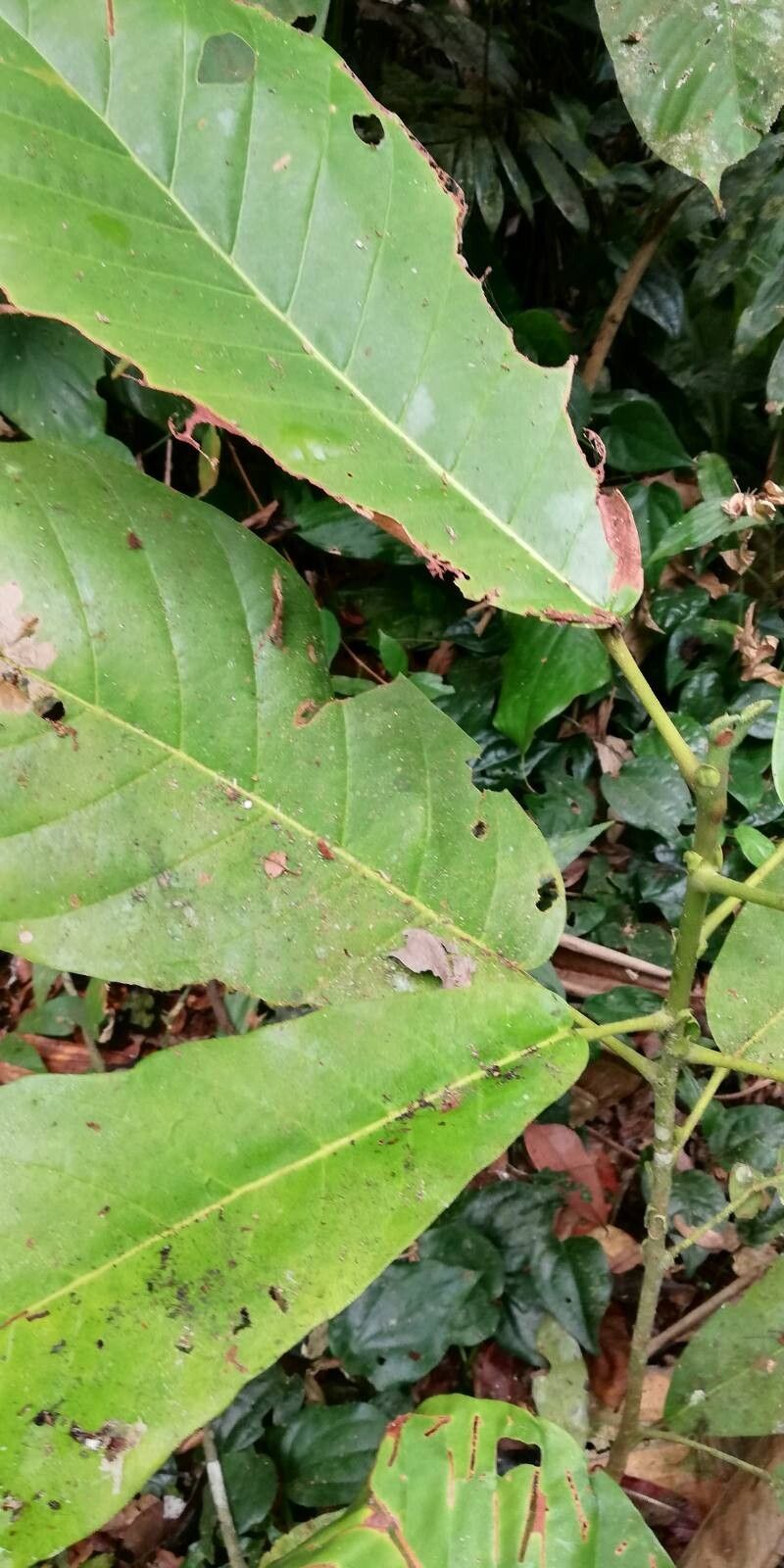
The Art of Growing Your Own African Cherry: Propagating Uapaca Guineensis
The African Cherry, or Uapaca guineensis, is a fascinating tropical tree with a history as rich as its fruit. Native to West Africa, this tree not only produces a delicious, cherry-like fruit but also boasts medicinal properties and an intriguing ecological role. But what if you could cultivate your own African cherry? The answer lies in propagation!
Understanding Uapaca Guineensis Propagation
Uapaca guineensis can be propagated through two main methods:
- Seed propagation: This is the most common and straightforward method.
- Cuttings: This technique requires a bit more care and skill.
Seed Propagation: A Journey from Seed to Sapling
Harvesting Seeds: Start by gathering ripe fruit from a healthy Uapaca guineensis tree. The seeds are typically black and spherical, encased within a fleshy, light-colored fruit.
Seed Preparation: Once harvested, remove the pulp and wash the seeds thoroughly. Allow them to dry in a cool, well-ventilated area for a few days to prevent mold.
Sowing Seeds: Fill a seed tray or pot with a well-draining potting mix. Sow the seeds about 1-2 inches deep, spacing them a few inches apart. Cover the seeds lightly with soil and water thoroughly.
Germination: Keep the soil moist but not waterlogged. Uapaca guineensis seeds typically germinate within a few weeks, often sprouting within a month.
- Transplanting: Once the seedlings have developed a few true leaves, they can be transplanted into larger pots or directly into the ground if the climate is suitable.
Cuttings: A More Technical Approach
Selecting Cuttings: Choose healthy branches from a mature Uapaca guineensis tree, preferably about 6-8 inches long. The stem should be semi-hardwood, meaning it is not completely woody but still firm.
Preparing Cuttings: Cut the branch at a 45-degree angle just below a node. This is where roots will emerge. Dip the cut end in a rooting hormone to encourage root development.
Rooted Cuts: Place the cuttings in a suitable rooting medium, such as a mixture of peat moss and perlite. Keep the medium consistently moist and humid.
- Rooted Plants: With proper care, these cuttings should develop roots in a few weeks. Once rooted, you can transfer them into pots and eventually into the ground.
Key Tips For Successful Propagation
- Warm Temperatures: Uapaca guineensis thrives in warm temperatures, so ensure your seeds or cuttings are kept at a temperature of around 70°F (21°C) during the germination and rooting process.
- High Humidity: Maintain a high level of humidity for both seed germination and cutting rooting. Mist the plants regularly or use a propagation dome to create a humid environment.
- Proper Drainage: Ensure your potting mix provides good drainage to prevent root rot.
- Sunlight: Provide adequate sunlight for healthy growth. Uapaca guineensis prefers partial shade to full sun.
A Journey of Growth
Propagating Uapaca guineensis is a rewarding experience, allowing you to cultivate this fascinating tree from scratch. Whether you choose seeds or cuttings, the journey from seed to sapling is a testament to the resilience and beauty of nature. And with proper care, you can eventually enjoy the delicious fruit of your labor – a true African Cherry grown by your own hand!