
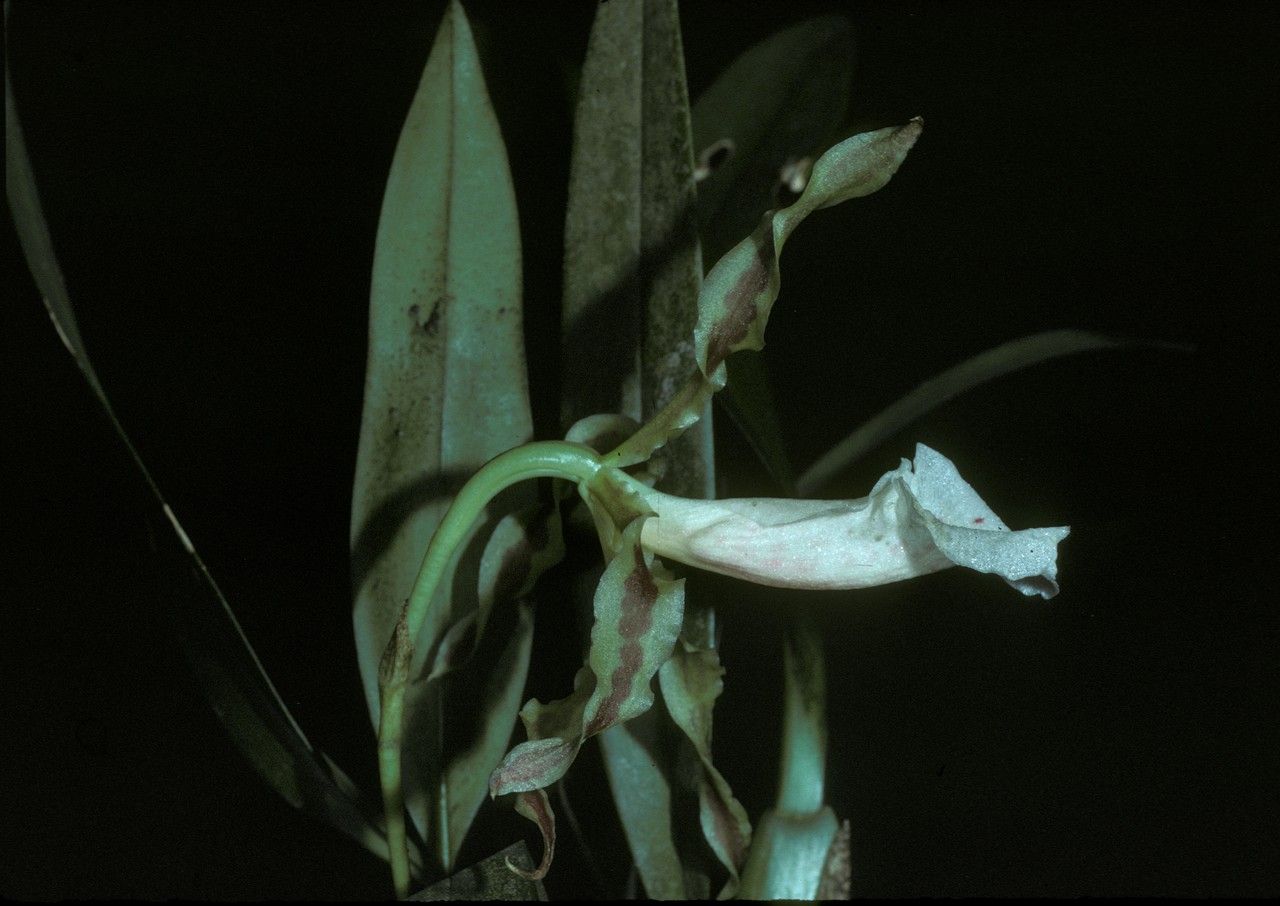
Orchid Obsession: Unraveling the Secrets of Trichopilia tortilis Propagation
The Trichopilia tortilis, with its intricately twisted petals resembling a miniature ballerina’s skirt, is a captivating orchid species that often steals the hearts of plant enthusiasts. But for those wishing to expand their orchid collection, the question arises: how can this beauty be multiplied?
While the thought of propagating this unique orchid might seem daunting, it’s actually achievable with the right knowledge and a bit of patience. Let’s dive into the world of Trichopilia tortilis propagation and explore the most effective methods to create new plants from your existing ones.
1. Division: A Simple Start
For Trichopilia tortilis, the most commonly used propagation method involves dividing the parent plant. This technique, while not as visually striking as other methods, is relatively simple and requires less specialized equipment.
Here’s what you need to do:
- Timing is Key: The best time for division is during the orchid’s active growth period, typically after flowering but before the onset of new growth.
- Gently Separate: Carefully remove the plant from its pot and gently loosen the roots. Look for natural divisions where new growth points emerge, indicating potential new plants.
- New Beginnings: Separate the divisions, ensuring each section has healthy roots and a healthy growth point.
- Repotting: Plant each division in a well-draining potting mix suitable for orchids, providing adequate support for the plant to grow.
2. Keiki Propagation: A Clonal Approach
Keikis are genetically identical copies of the parent plant, making them popular for preserving specific orchid varieties. Trichopilia tortilis often produces keikis, small plantlets that develop on the flower stalk or stem.
How to Propagate from Keikis:
- Spotting the Keiki: The easiest way to identify a keiki is by its presence of roots.
- Patience is Key: Allow the keiki to develop a healthy root system, typically several inches long.
- Time to Separate: Once the roots are well-established, carefully detach the keiki from the parent plant, ensuring not to damage the delicate roots.
- New Home: Repot the keiki in a well-draining orchid potting mix, providing adequate support for it to grow.
3. Seed Propagation: A Labor of Love
Seed propagation, while possible for Trichopilia tortilis, is a more complex and time-consuming method. It requires specialized knowledge and sterile conditions.
The Challenge of Seed Propagation:
- Highly Specialized: Orchid seeds are extremely tiny and require specialized growing conditions, including a sterile environment and specific media.
- Time Required: This method requires a significant investment of time and attention as it can take years for seedlings to reach maturity.
Unless you possess extensive horticultural expertise and are willing to dedicate time and resources, seed propagation is not recommended for beginners.
Tips for Successful Propagation
- The Importance of Sterilization: To prevent fungal infections, always sterilize your tools and potting mix with a mild bleach solution before using.
- Proper Potting Mix: Orchid potting mix is essential for the success of your propagation efforts. Choose a well-draining, airy mixture that’s suitable for epiphytes.
- Humidity and Light: Orchids require high humidity and ample indirect light for healthy growth. Mimic their natural habitat by providing appropriate environmental conditions.
Propagation requires a combination of knowledge, patience, and dedication. By carefully following the steps outlined above, you can increase your chances of achieving successful propagation of your beloved Trichopilia tortilis, bringing you closer to the joy of growing these captivating orchids.