
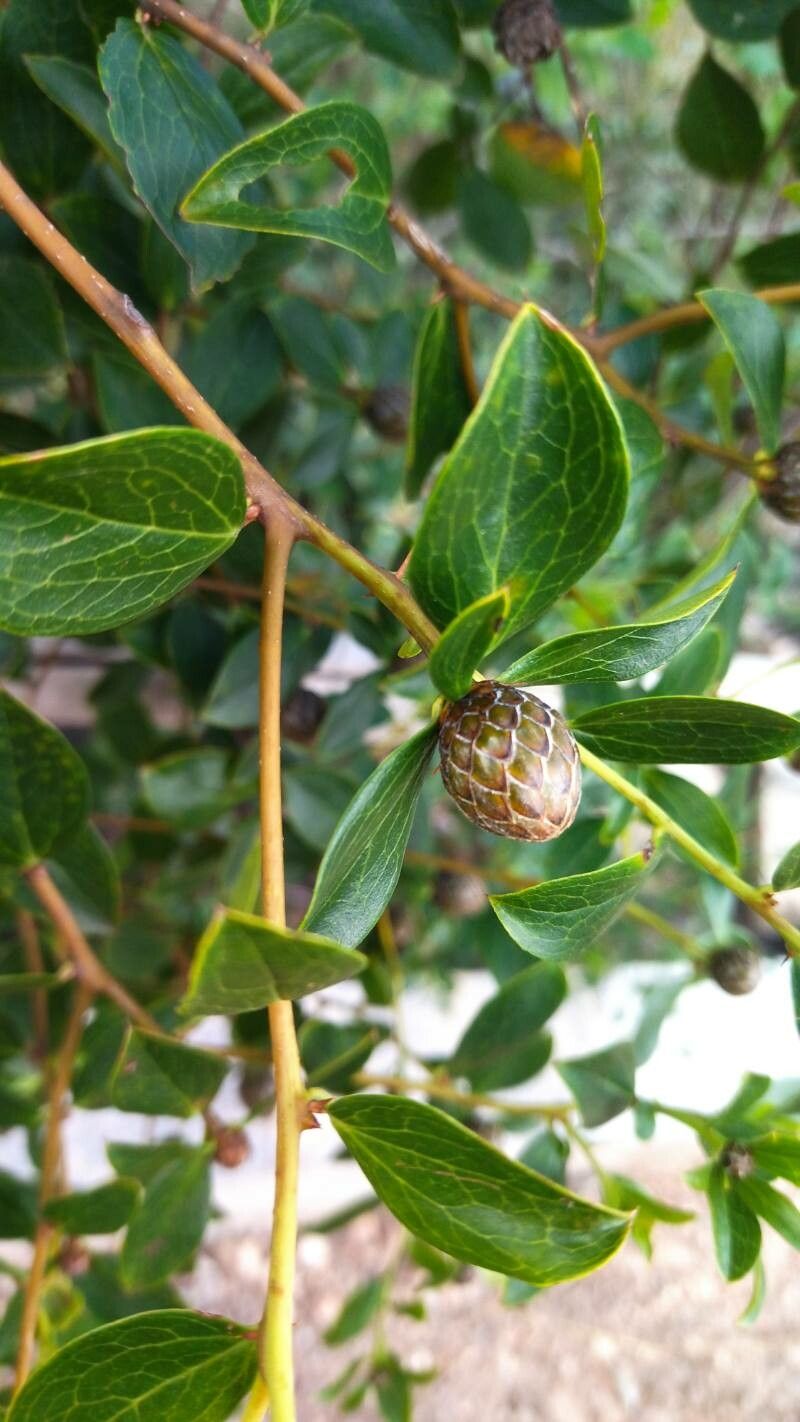
Taming the Thistle: How to Propagate Dasyphyllum ferox
You’re looking at your spiky, silver-leaved Dasyphyllum ferox, admiring its tough resilience and wondering – how can I get more of these beauties? The good news is, propagating this unusual plant is both possible and rewarding. While it may seem intimidating at first, with a little patience and care, you can easily create new plants from cuttings or seeds.
Propagation via Cuttings:
The most common and successful method for propagating Dasyphyllum ferox is through stem cuttings. This technique allows you to quickly create new plants that genetically match the parent. Here’s how:
- Timing is Key: The best time to take cuttings is during the spring or early summer. The plant is actively growing, and the cuttings will root more readily.
- Prepare Your Cuttings: Select healthy, non-flowering stems. Use sharp, clean scissors or a knife to make a clean cut just below a node (the point where a leaf or branch emerges).
- Start with a Rooting Medium: Choose a well-draining rooting mix. A mix of peat moss, perlite, and vermiculite works well.
- Dip and Plant: Dip the cut end of the stem in rooting hormone powder for better success. Then, carefully insert the cutting into your chosen rooting medium, ensuring that at least one node is below the surface.
- Maintain Humidity: Cover the cuttings with a clear plastic dome or bag to create a humid environment. This will help the cuttings retain moisture and encourage root development.
- Patience is Virtuous: Check on your cuttings regularly for signs of root growth. This usually takes about 4-6 weeks. Once you notice new growth, gradually acclimate the cuttings to their new environment by removing the covering for longer periods.
Propagation via Seeds:
While Dasyphyllum ferox can be grown from seeds, it’s a bit more time-consuming and less reliable than propagating through cuttings.
- Collect Seeds: The seeds mature within the spiky, brown flower heads during the fall. Once they turn brown and dry, you can gently collect them by carefully removing the head and shaking the seeds into a container.
- Sow the Seeds: Sow the seeds directly into a seed tray filled with a well-draining seed-starting mix. Cover them lightly with the mix. Mist the seeds and place the tray in a bright, warm location but out of direct sunlight.
- Stay Patient: Keep the seed mix moist, but not soggy. Germination can take several weeks, so exercise patience.
- Transplant: Once your seedlings have developed a few true leaves, transplant them into individual pots.
Important Tips:
- Location Matters: Dasyphyllum ferox thrives in well-draining, sunny locations. Choose a spot that receives at least six hours of sunlight daily.
- Pest and Disease Prevention: While generally resistant, these plants can be susceptible to fungal diseases. Make sure the soil is well-draining to prevent fungal growth.
- Water Wisely: Dasyphyllum ferox is drought-tolerant. Only water when the soil is dry to the touch. Overwatering can lead to root rot.
Enjoy Your Hardy Companions:
Whether you choose cuttings or seeds, propagating Dasyphyllum ferox is a fulfilling journey. You’ll be rewarded with a collection of robust, silver-leaved plants that add a touch of wild beauty to your garden. Remember, patience is key, and you’ll soon be enjoying the unique character and resilience of these captivating plants.