
From One to Many: Mastering the Art of Echeveria Megacalyx Propagation
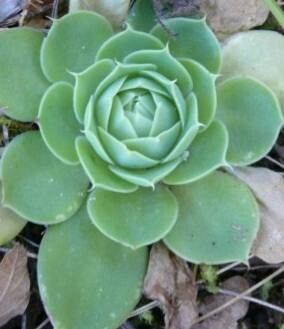
The Echeveria megacalyx, with its captivating rosette of fleshy, dusty-blue-green leaves and enchanting orange-red blooms, is a coveted succulent for its beauty and resilience. But what if you could share this beauty, growing a whole collection from just one plant? With a bit of patience and the right technique, you can easily propagate your Echeveria megacalyx and watch your succulent family thrive.
Unveiling the Secrets of Propagation
Propagation simply means creating new plants from existing ones. For Echeveria megacalyx, you have two main options: leaf cuttings and offsets.
1. Leaf Cuttings: A Simple and Effective Method
Leaf cuttings are the most common and successful method for propagating Echeveria megacalyx. Here’s how to do it:
- Choose your leaves: Select healthy, mature leaves, avoiding any that look damaged or diseased. Gently twist or snap them off at the base, ensuring a clean break.
- Let them dry: Allow the cut ends to callous over for a few days in a dry, well-ventilated area. This helps prevent rot when they’re planted.
- Ready to plant: Once calloused, place the leaf cuttings on a well-draining succulent potting mix. Ensure only the base of the leaf is buried, leaving the rest exposed. Light, consistent watering is key, allowing the soil to dry out between waterings.
- Patience is key: Roots will start to form within a few weeks, and eventually, tiny plantlets will emerge from the base of the leaf. This process can take several months, but it’s often rewarding to watch new life emerge.
2. Offsets: Effortlessly Multiplying Your Collection
Offsets, also known as “pups,” are small, new plants that naturally grow from the base of the parent plant. They’re a quick and easy way to expand your collection:
- Patience is key: Echeveria megacalyx doesn’t always produce offsets readily, but if your plant is mature and healthy, you’ll eventually see new growth emerging from the base.
- Gently detach: When the offset is large enough, gently separate it from the parent plant with a sharp, sterile knife or scissors. Ensure you include roots or a stem base for successful rooting.
- Planting time: Pot the separated offset in a well-draining succulent potting mix, ensuring the roots are well-covered. Water lightly, allowing the soil to dry out between watering sessions.
- The new beginning: The offset will begin to grow and flourish, creating a new, independent Echeveria megacalyx.
Tips for Success
- Sterile tools: Always sanitize your tools to prevent contamination and disease.
- Healthy environment: Ensure you’re using a well-draining soil mix and providing adequate sunlight.
- Consistency is key: Maintain a consistent watering schedule, allowing the soil to dry out completely between waterings.
- Patience and observation: Be patient, as propagation can take time. Monitor your cuttings and offsets for any signs of problems and adjust your care routine accordingly.
From Single Plant to Thriving Collection
With these methods and careful attention, you can easily propagate your Echeveria megacalyx and fill your home or garden with this beautiful succulent. Not only will you enjoy the beauty of these new plants, but you will also relish the satisfaction of creating life and sharing your succulent passion with others. So, grab your tools, choose your method, and embark on your very own Echeveria propagation journey.