
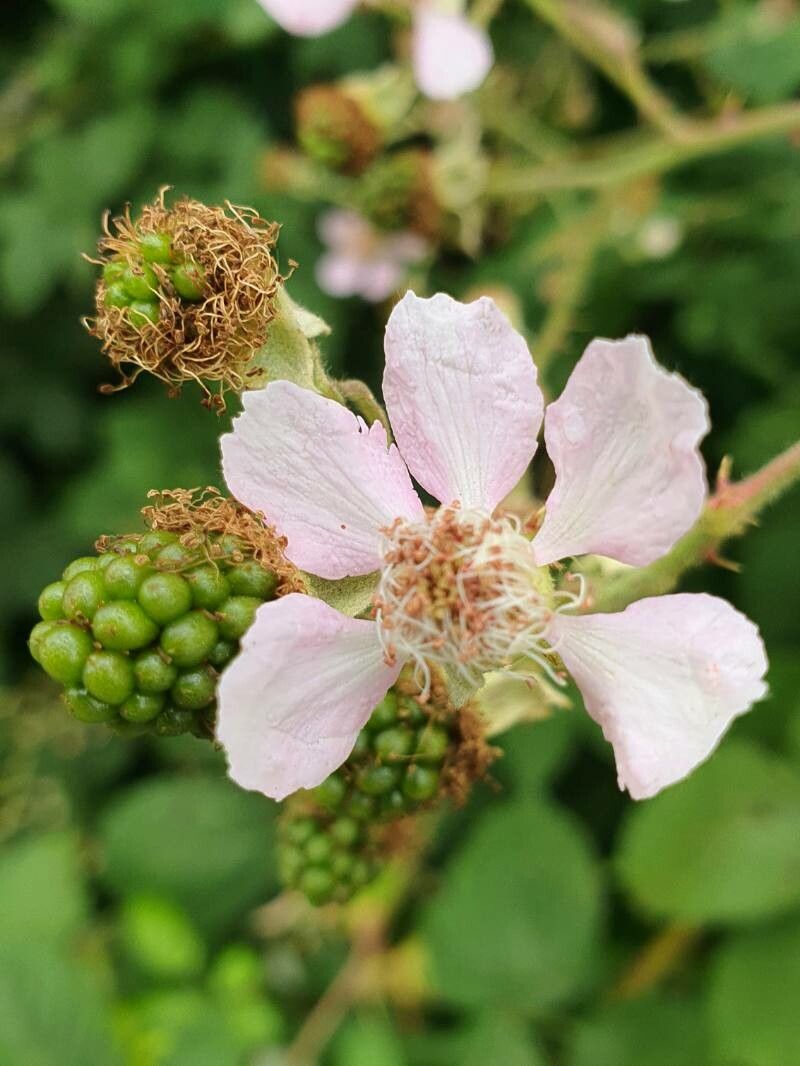
Berrylicious Bounty: How to Propagate the Raspberry’s Wild Cousin, Rubus Armeniacus
The Rubus armeniacus, or Armenian blackberry, is a vigorous and prolific shrub that offers a delicious bounty of berries in late summer. This wild raspberry relative is known for its large, juicy, and intensely flavorful fruit, making it a popular choice for home gardeners looking to add something a bit different to their berry patch. But acquiring these plants can be a bit tricky – nurseries don’t always carry them. Luckily, Rubus armeniacus is remarkably easy to propagate, allowing you to easily expand your berry patch or share the love with fellow gardening enthusiasts.
Method 1: Rooted Cuttings
This method works best in the early spring before new growth emerges.
- Choose your cuttings: Select healthy, one-year-old stems from a vigorous plant. Look for stems that are about the thickness of a pencil and about 6-8 inches long.
- Prepare the cuttings: Cut the stem just below a node (the point where a leaf or branch grows out) at a 45-degree angle. Remove the leaves from the bottom two inches of the stem.
- Dip in rooting hormone: For increased success, dip the cut end of the stem in a rooting hormone powder.
- Plant the cuttings: Plant the cuttings in a pot filled with a well-draining potting mix, burying the bottom two inches of the stem. Water thoroughly.
- Maintain humidity: Cover the pot with a clear plastic dome or bag to create a humid environment. Keep the soil moist but not soggy.
- Patience is key: It will take about 4-6 weeks for the cuttings to develop roots. Once new growth emerges, remove the covering and gradually acclimate the cuttings to outdoor conditions.
Method 2: Tip Layering
This is an exceptionally easy method for propagating Rubus armeniacus, particularly for beginner propagators.
- Select a suitable branch: Choose a flexible, low-lying branch from your Rubus armeniacus plant.
- Bend and bury: Bend the branch towards the ground and bury a section of it (about 6-8 inches) in the soil, securing it in place with a rock or wire.
- Keep it moist: Water regularly to keep the buried portion of the branch moist.
- New growth signals success: Once the buried portion of the branch starts to develop roots and new growth appears, you can sever the connection with the parent plant.
- Transplant: Carefully dig up the rooted cutting and transplant it into a larger pot or directly into your garden bed.
Method 3: Suckers
Rubus armeniacus is known for its vigorous suckering habit, which you can use to your advantage for propagation.
- Find a sucker: Identify a healthy sucker, a young shoot that emerges from the base of the plant.
- Dig carefully: Carefully dig around the sucker, loosening the soil and separating it from the parent plant.
- Repot or transplant: Repot the sucker into a pot filled with well-draining potting mix or transplant it directly into your garden bed.
Things to remember:
- Like most Rubus species, Rubus armeniacus is an aggressive grower. It’s essential to choose a location for your new plants where they have plenty of room to spread.
- Provide adequate sunlight: Rubus armeniacus thrives in full sun to partial shade.
- Water generously: Keep the soil consistently moist, especially during dry periods.
- Fertilize regularly: To ensure productive fruiting, feed your plants with a balanced fertilizer throughout the growing season.
With proper care and propagation, you can ensure a constant supply of these delicious and versatile berries for years to come. So grab your gardening gloves, get your hands dirty, and prepare to enjoy the bountiful rewards of this wild and wonderful plant. Happy propagating!