
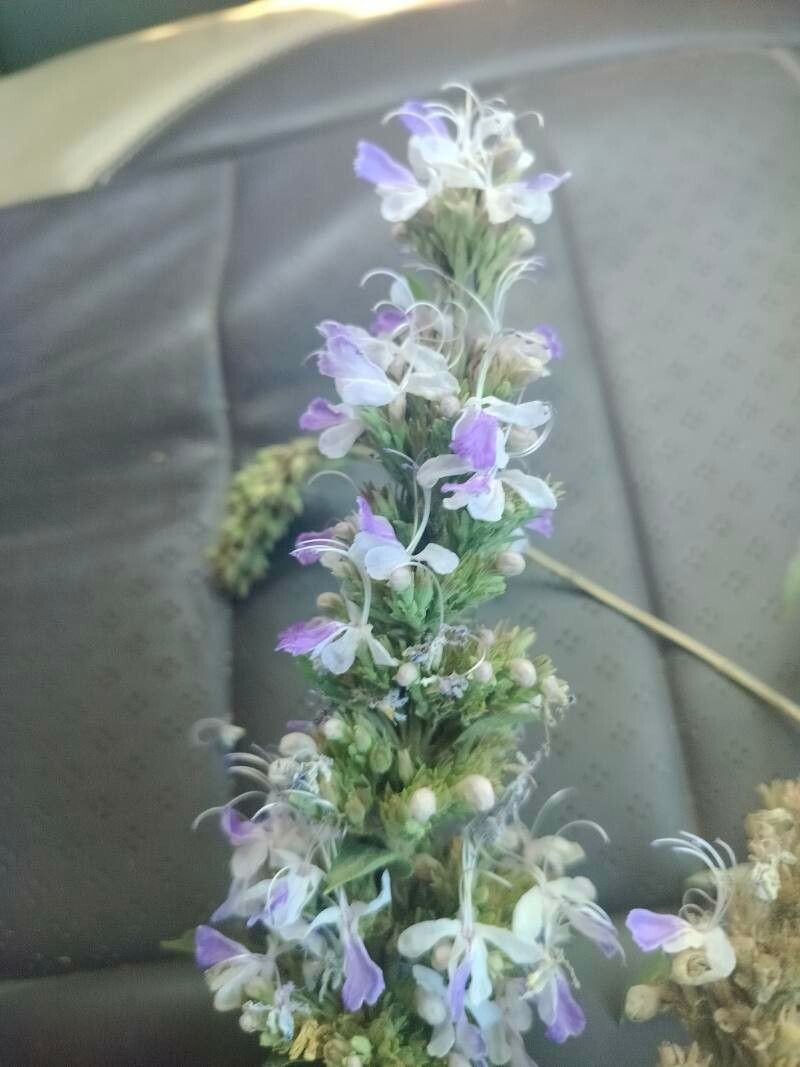
From Snipping to Thriving: Propagating the Vibrant Pseudocaryopteris bicolor
The Pseudocaryopteris bicolor, commonly known as the Bluebeard or Blue Mist Shrub, is a striking plant renowned for its captivating blue blooms that grace gardens from late summer to early fall. But did you know that this beautiful plant can be easily propagated, allowing you to fill your garden with its charm at minimal cost?
Propagating your own Bluebeard plants is a rewarding experience that allows you to share this beauty with friends, create a vibrant border, or simply enjoy the satisfaction of nurturing life from a single cutting. This blog post will guide you through the simple steps of propagating Pseudocaryopteris bicolor, ensuring success in your gardening endeavors.
Method 1: Softwood Cuttings (Spring & Early Summer):
This method is ideal for beginners and produces the highest success rate.
- Choose your cuttings: During spring or early summer, select healthy, non-flowering stems with new growth. Opt for stems that are about 4-6 inches long, ensuring multiple nodes (the small bumps on the stem where leaves grow).
- Prepare the cuttings: Use clean, sharp pruning shears to make a cut just below a node at a 45-degree angle. Remove the lower leaves, leaving a few at the top.
- Root hormone: Dip the cut end of each cutting into a rooting hormone powder for added success.
- Planting: Fill a pot with a well-draining potting mix and carefully insert the cuttings, leaving the top two leaves above the soil line. Water thoroughly and place them in a bright, humid environment, but away from direct sunlight.
- Maintain a healthy environment: Cover the cuttings with a clear plastic dome or bag to create a mini-greenhouse effect, ensuring moisture retention. Mist regularly and keep the soil moist.
- Transplant: After several weeks, when you see new growth emerging, you can carefully transplant the rooted cuttings into individual pots or directly into your garden bed.
Method 2: Semi-Hardwood Cuttings (Late Summer):
For those looking to propagate in the late summer months, semi-hardwood cuttings are the way to go.
- Select mature stems: Choose stems that have finished blooming and have hardened slightly, but are still flexible.
- Prepare the cuttings: Follow the preparation steps outlined for softwood cuttings, making sure the cuttings are 6-8 inches long.
- Dip & Place: Again, dip the cuttings in rooting hormone and plant them in a pot filled with a well-draining mix.
- Care & Transplant: Maintain a moderately humid environment, misting as needed. After a few weeks, you can transplant the rooted cuttings into individual pots or your garden.
Tips for Success:
- Choose the right time: Propagation is most successful when the plant is actively growing.
- Use sharp tools: Clean, sharp shears prevent damaging the cuttings.
- Maintain proper humidity: High humidity is essential for root development.
- Monitor pests: Check regularly for any pest infestations and take necessary measures.
By following these simple steps, you can successfully propagate your own Pseudocaryopteris bicolor, ensuring a blooming spectacle in your garden year after year. Enjoy the satisfaction of cultivating vibrant plants that will bring joy and color to your outdoor space.