
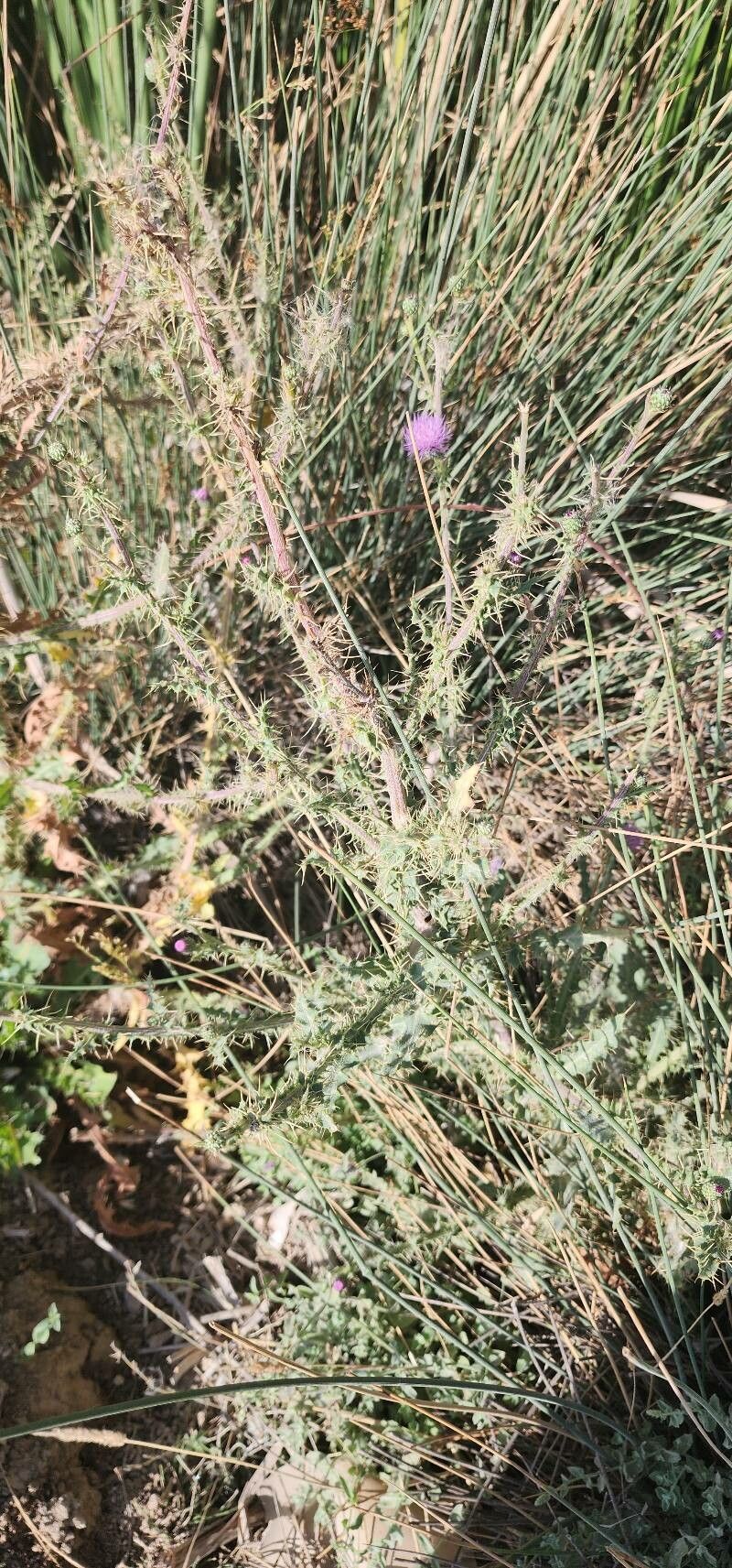
From Spiky Seeds to Thriving Blooms: Propagating the Beautiful Cirsium creticum
Cirsium creticum, also known as the Cretan thistle or the Crete thistle, boasts vibrant purple blooms that resemble miniature, fluffy pom-poms. This captivating plant adds a touch of drama to any garden, but what’s even more remarkable is its ability to be propagated through different methods. Whether you’re a seasoned gardener or just starting out, learning to propagate Cirsium creticum can be a rewarding experience, allowing you to share this stunning plant with others or expand your own collection.
Understanding the Propagation Methods
There are two main ways to propagate Cirsium creticum:
Seeds: This method involves collecting the seeds from mature flower heads and sowing them in a suitable medium. It’s the most common and often the most cost-effective method.
- Division: This technique splits existing plants into smaller portions, each with its own root system. It’s ideal for expanding your existing Cirsium creticum plantings.
Growing Cirsium creticum From Seed
Seed Collection: Harvest the seeds from mature flower heads after they have turned brown and dried. Carefully remove the seeds from their downy coverings and store them in a cool, dry place.
Sowing Time: The best time to sow Cirsium creticum seeds is in spring or early summer.
Sowing Process: Fill a seed tray or pot with a well-draining potting mix. Scatter the seeds evenly over the surface, press them gently into the soil, and cover them with a thin layer of compost. Water the seeds lightly and place the tray in a sunny spot or under a grow light.
- Germination and Care: Germination usually takes around 2-3 weeks. Keep the soil consistently moist but not waterlogged. Once seedlings have emerged, you can thin them out to allow for optimal growth.
Propagating Cirsium creticum Through Division
Time for Division: The best time to divide Cirsium creticum is in spring or autumn.
Division Process: Carefully dig up a mature plant and gently separate it into smaller portions. Ensure each division has its own healthy roots.
- Planting the Divisions: Replant the divisions in prepared planting holes, ensuring the root ball is covered with soil. Water the plants thoroughly to help them establish.
Tips for Successful Propagation
Well-Drained Soil: Cirsium creticum prefers a well-draining growing medium to prevent root rot. Adding sand or gravel to your potting mix can improve drainage.
Full Sun Location: Cirsium creticum thrives in full sun, receiving at least 6 hours of direct sunlight daily.
Minimal Watering: These plants are drought-tolerant and don’t require frequent watering. Allow the soil to dry out slightly between waterings.
- Deadheading: Deadheading spent flower heads can encourage the plant to produce more blooms and maintain its attractive appearance.
Beyond Beauty: The Practical Side of Cirsium creticum
Cirsium creticum is not only a visually stunning plant but also a valuable one. It’s known to attract beneficial insects, like bees and butterflies, to your garden, contributing to pollination and a thriving ecosystem. Its prickly foliage also offers defensive protection against herbivores and can be used as a natural barrier.
A Passionate Reminder: While Cirsium creticum is a beautiful and useful plant, it’s essential to ensure it’s not invasive in your region before propagating it.
Conclusion:
Propagating Cirsium creticum is a rewarding journey that allows you to enjoy this stunning plant in your garden or share it with friends and fellow gardening enthusiasts. With the right technique and a touch of care, you can easily cultivate more of this magical plant, creating a vibrant and diverse landscape. So get your hands dirty, embrace the art of propagation, and marvel at the splendor of the Cretan thistle.