
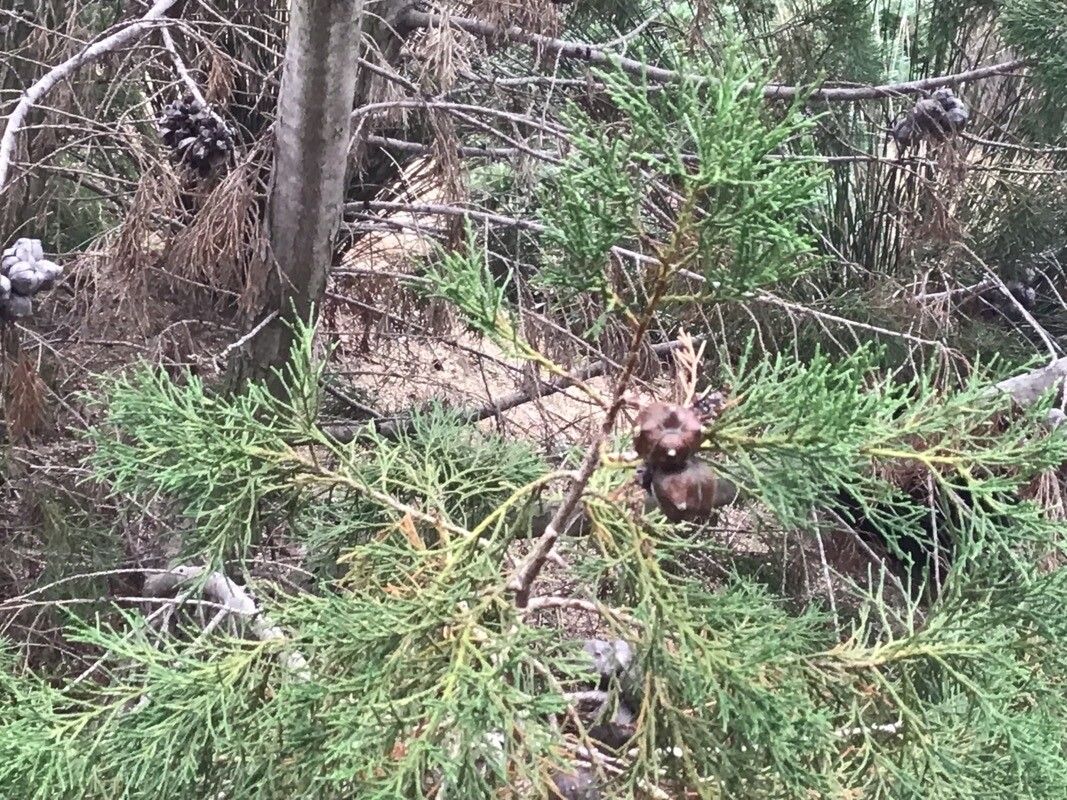
Unlocking the Secrets of Widdringtonia Nodiflora Propagation: From Seed to Sapling
Widdringtonia nodiflora, commonly known as the Mountain Cypress or Clanwilliam Cedar, is a striking evergreen conifer native to South Africa. Its stunning pyramidal shape, lush green foliage, and unique timber make it a cherished choice for landscaping and forestry alike. But what if you could grow your own Mountain Cypress? This blog post reveals the secrets to successfully propagating this beautiful tree.
Two Paths to Cypress Bliss: Seed and Cutting Propagation
Widdringtonia nodiflora can be propagated using two primary methods: seed and cutting. Let’s explore each avenue in detail:
1. Seed Propagation: A Journey of Patience
- Collecting Seeds: Look for mature cones that have turned brown and started to open. Gently shake the cones to release the seeds.
- Seed Preparation: Sow the seeds in a well-draining seed mix, ensuring proper spacing. Lightly cover the seeds with potting mix.
- Germination: Maintain a warm and moist environment for optimal germination. Seeds typically germinate within 4-6 weeks.
- Patience is Key: Seed propagation takes time and patience. Expect seedlings to take a few years before reaching a sizable size.
**2. Cutting Propagation: A Quicker Path to Growth
- Taking Cuttings: Choose healthy, semi-hardwood stems from the current year’s growth. Take cuttings around 4-6 inches long, ensuring each cutting has a few healthy nodes.
- Prepare the Cuttings: Remove lower leaves and dip the cut ends in rooting hormone powder.
- Potting and Care: Plant cuttings in a loose, well-draining rooting mix. Place them in a warm, bright location but avoid direct sunlight. Keep the soil consistently moist but not soggy.
- Rooted Success: Cuttings typically root within 4-6 weeks. Monitor for signs of growth, indicating successful rooting.
Key Considerations for Successful Propagation
- Light and Temperature: Widdringtonia nodiflora thrives in full sun to partial shade. It tolerates a wide range of temperatures, but keep seedlings and cuttings protected from harsh frost.
- Watering: Keep the soil consistently moist but avoid overwatering as it can lead to root rot.
- Fertilizer: Apply a balanced fertilizer every few months during the growing season to encourage healthy growth.
Beyond the Basics: Exploring Unique Propagation Techniques
For the experienced grower, Widdringtonia nodiflora can also be propagated using air layering or grafting techniques.
- Air Layering: This technique involves creating a wound on a branch, covering it with moist sphagnum moss, and wrapping it with plastic film to stimulate root development.
- Grafting: Grafting involves joining a cutting (scion) of Widdringtonia nodiflora onto the rootstock of a compatible tree, enabling faster growth and establishment.
The Joy of Propagation
Growing your own Widdringtonia nodiflora is an incredibly rewarding experience. Whether you choose the seed or cutting method, the journey from seed to sapling offers a unique connection with nature. The satisfaction of nurturing these majestic trees from tiny beginnings is truly unparalleled.
So, embark on your own journey of propagation! With careful attention to light, moisture, and temperature, you’ll be well on your way to creating a breathtaking landscape with your very own Mountain Cypress.