
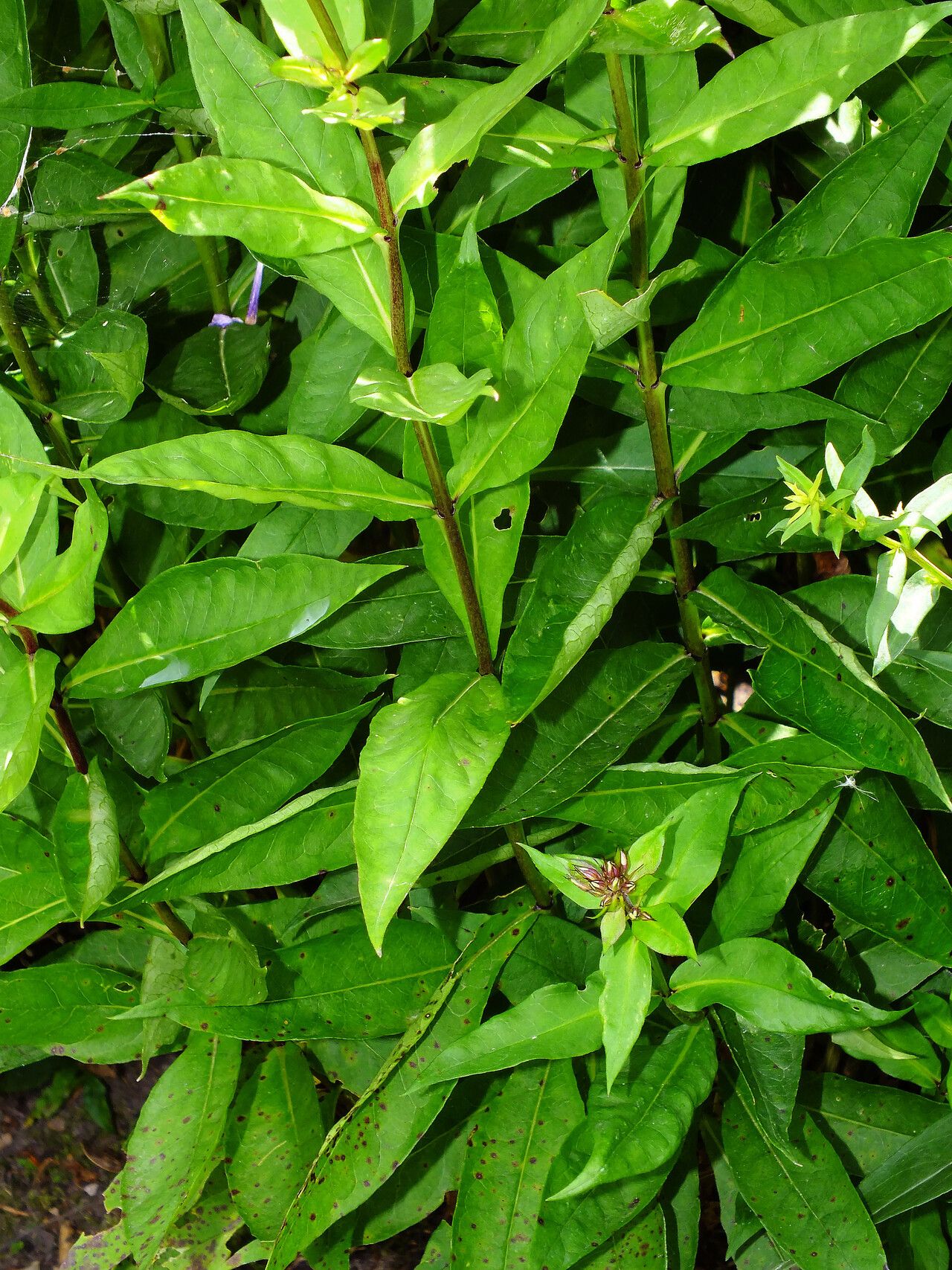
From One to Many: Easy Propagation Tips for Your Phlox glaberrima
The vibrant blooms of Phlox glaberrima, commonly known as Smooth Phlox, are sure to brighten any garden. This native North American beauty bursts with color, attracting pollinators and delighting the eye. But what if you want to share this floral treasure with friends or simply expand your own collection? The answer lies in propagation – a straightforward process that allows you to create new plants from existing ones.
Understanding Propagation
Propagation essentially involves taking a portion of a parent plant and coaxing it to grow into an independent, identical plant. This method is a fantastic way to multiply your existing stock, creating multiple gorgeous Phlox glaberrima without spending a fortune on new plants.
Methods for Propagating Phlox glaberrima
There are several methods you can use to propagate Phlox glaberrima, each with their own set of advantages:
1. Division
This is arguably the easiest and most common method for Phlox glaberrima. Here’s how it works:
- Time: Spring or fall are ideal times for division.
- Process: Carefully dig up the plant, keeping as much of the root ball intact as possible. Separate the clumps by gently pulling them apart, making sure each division has healthy roots and at least one strong stem. Repot or replant the divisions in well-prepared soil, ensuring adequate spacing between plants.
2. Stem Cuttings
This method uses stem sections to cultivate new plants. It’s a rewarding process with a high success rate:
- Time: Take cuttings in the spring or summer.
- Process: Select healthy, non-flowering stems. Cut a section about 4-6 inches long, removing leaves from the bottom inch or so. Dip this end in rooting hormone for better success. Insert the cutting into a pot filled with well-draining potting mix, ensuring the bottom leaves are above the soil line. Place the pot in a bright, indirect light location and keep the soil consistently moist. Once new growth emerges, you know your cutting has rooted successfully.
3. Seed Collection
While Phlox glaberrima can be grown from seeds, it’s important to understand that this method might lead to variations from the parent plant. Here’s how to get started:
- Time: Allow flower heads to develop seeds in the fall.
- Process: Collect seeds from the dried flower heads and store them in a cool, dry place. Sow the seeds in a seed tray filled with well-draining seed-starting mix, covering them lightly with soil. Keep the soil moist and ensure the tray is placed in a bright location, but not direct sunlight. Once seedlings appear, thin them out to give the plants enough space to grow.
Tips for Success
Regardless of the propagation method you choose, keep these essential tips in mind:
- Clean Tools: Use sharp, clean tools to prevent the spread of diseases.
- Proper Environment: Provide adequate light, moisture, and well-draining soil for healthy rooting.
- Patience: Propagation takes time. Be patient and observe the plants regularly for progress.
Conclusion
Propagating Phlox glaberrima is a rewarding experience that will allow you to enjoy more of these breathtaking beauties in your garden. Whether you choose division, stem cuttings, or seed collection, the process is straightforward and accessible to gardeners of all levels. So, grab your tools and start expanding your Phlox glaberrima collection today!