
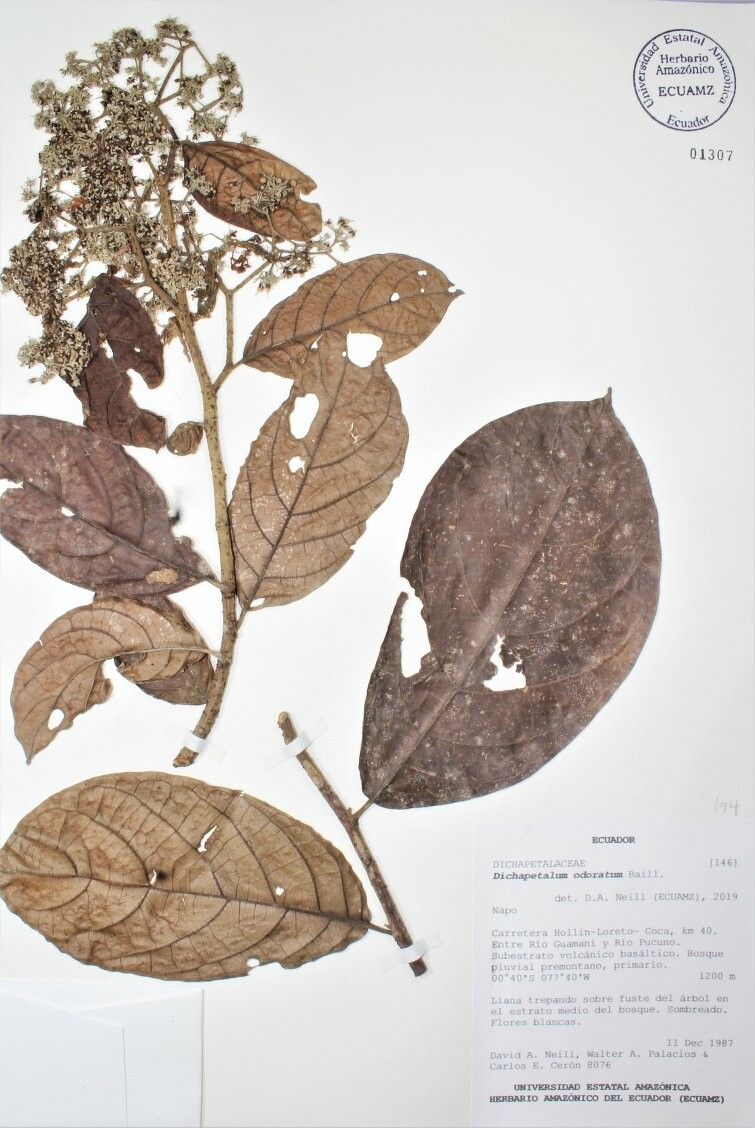
From Seed to Success: Unlocking the Secrets of Propagating Dichapetalum odoratum
The captivating aroma of Dichapetalum odoratum, also known as the “African Mayflower,” is a treasure to many gardeners. This tropical vine, with its stunning clusters of white flowers, is a delight to the senses. But if you want to share this botanical marvel with your friends or expand your own collection, you’ll need to learn the art of propagation.
Seeds of Possibility:
Starting with seeds is a popular method for propagating Dichapetalum odoratum. The process is relatively straightforward, making it an excellent choice for beginner gardeners. Here’s what you’ll need to do:
- Harvest the seeds: Collect ripe fruits from healthy plants and carefully remove the seeds. These seeds often possess a hard outer coating, hindering germination.
- Scarification: To overcome this barrier, gently scarify the seeds using sandpaper or a nail file. This process creates microscopic scratches on the seed coat, allowing moisture and oxygen to penetrate.
- Soaking: Soak the scarified seeds in warm water for 24 hours to further stimulate germination.
- Sowing: Fill a seed tray with a well-draining potting mix, and sow the seeds at a depth of about 0.5 inches. Maintain a consistently moist environment and warmth, ideally around 75°F, by placing the tray in a warm, humid location or using a seedling heat mat .
Patience is Key:
Germination can take anywhere from a few weeks to several months, so be patient. Once seedlings emerge, ensure they receive adequate light, water, and ventilation to thrive. Once they have developed a few true leaves, you can carefully transplant them into individual pots.
The Cutting Edge:
Vegetative propagation, specifically by stem cuttings, is another method for cultivating Dichapetalum odoratum. This technique takes advantage of the plant’s ability to develop roots from stem fragments. To propagate with stem cuttings:
- Select a healthy stem: Choose a non-flowering stem with at least 4-6 nodes.
- Make the cut: Cut the stem just below a node, using a sharp and clean knife or pruning shears.
- Prepare the cutting: Remove leaves from the lower portion of the stem, leaving a few leaves at the top.
- Dip in rooting hormone (optional): This can significantly boost the success rate of root development.
- Potting: Insert the cutting into a rooting medium, such as a mix of peat moss and perlite, ensuring that a few of the nodes are below the soil level.
- Maintain moisture: Water the cuttings regularly, maintaining a consistently moist environment.
- Cover the cutting: To increase humidity and prevent the cuttings from drying out, create a mini-greenhouse by placing a plastic bag over the pot or using a humidity dome.
A Note on Success:
While both seed propagation and cuttings can be used to cultivate Dichapetalum odoratum, stem cuttings generally provide faster results and offer an advantage when trying to preserve a particular plant’s unique characteristics.
Beyond Propagation:
Once your new Dichapetalum odoratum plants have established themselves, you can relish in the beauty and fragrance of their blooms. Remember to provide them with adequate light, water, and well-drained soil. With proper care, these tropical vines can thrive for years, bringing a touch of the tropics into your home or garden.
Embarking on the journey of propagating Dichapetalum odoratum is a rewarding experience. From selecting the right propagation method to nurturing young plants, each step brings you closer to expanding the beauty and fragrance of this magnificent plant.