
From Seed to Shade: Unlocking the Secrets of Fagus Engleriana Propagation
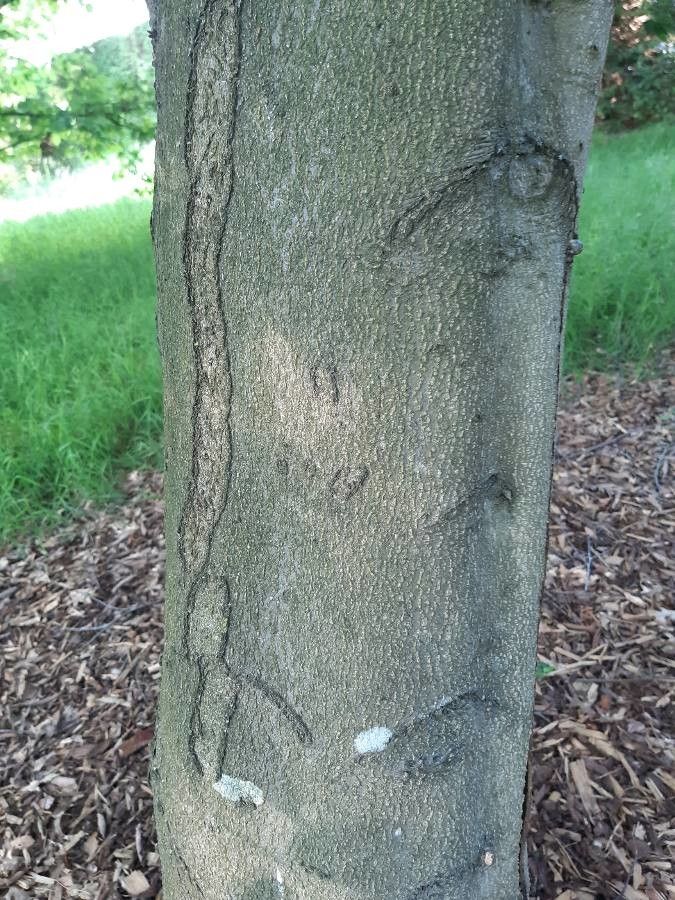
Fagus engleriana, the Chinese Beech, is a majestic tree known for its graceful form, lush foliage, and distinct, silvery bark. Whether you’re a seasoned gardener or a curious newcomer, the allure of this captivating tree might make you wonder: can I grow one myself? The answer, thankfully, is a resounding yes! While it might seem like a daunting task, propagating Fagus engleriana is easier than you might think, especially with the right techniques and a little patience.
A Tale of Seeds and Sowing
The most common and rewarding way to propagate Fagus engleriana is through seeds. These tiny treasures hold the key to unlocking a new generation of these beautiful trees. Here’s how to make the magic happen:
- Harvesting the seeds: The best time to collect Fagus engleriana seeds is in the fall, after they mature and fall from the tree. Look for plump, brown seeds that have fallen naturally.
- Stratification: Seed dormancy is a natural defense mechanism that prevents seeds from germinating out of season. To break this dormancy, Fagus engleriana seeds need a period of cold stratification. This involves mimicking winter conditions by storing the seeds in a cool, moist environment for several months. One simple method is to place the seeds in a container with moist peat moss or vermiculite, then seal the container and store it in the refrigerator for 3-4 months.
- Sowing the seeds: Once the stratification period is complete, it’s time to sow the seeds. Choose a well-draining potting mix and sow the seeds about 1/4 inch deep, spacing them a couple of inches apart. Keep the soil moist and maintain a temperature between 65-75°F.
A Faster Route: Cuttings
While seed propagation offers the joy of watching a new life emerge from the ground, sometimes you need a faster solution. That’s where vegetative propagation through cuttings comes in. This method utilizes portions of the parent plant to create new individuals with identical genetic makeup.
- Taking the cuttings: Take semi-hardwood cuttings in late summer or early fall. Choose a piece of healthy growth with at least a couple of nodes (the points where leaves emerge). Use a sharp knife or pruning shears to make a clean cut just below a node.
- Preparing the cuttings: Remove any leaves below the soil line, but leave a couple of leaves on the top of your cutting. Apply a rooting hormone to the cut end of the stem.
- Rooting the cuttings: Plant the cuttings in a well-draining rooting medium, like a mixture of peat moss and perlite. Cover the container with a clear plastic dome to maintain humidity, and place it in a bright, indirect light location.
Nurturing Your New Trees
Whether you choose seeds or cuttings, patience is key. It can take anywhere from a few weeks to several months for your Fagus engleriana seedlings or cuttings to develop strong roots. Once they’ve established themselves, it’s time to give them the love they deserve:
- Provide well-drained soil: Fagus engleriana prefers slightly acidic, well-drained soil.
- Ensure adequate sunlight: While they tolerate some shade, these trees thrive in full sun to partial shade conditions.
- Water regularly: Deep watering is key, especially during dry spells.
- Fertilize annually: A balanced fertilizer applied in early spring will help your young tree grow strong and healthy.
A Legacy of Beauty
Propagating Fagus engleriana allows you to create a legacy of beauty and shade for generations to come. Nurturing these majestic trees from seed or cuttings brings a deep connection to the natural world, a sense of accomplishment, and the joy of watching a tiny seed grow into a towering symbol of resilience and grace.