
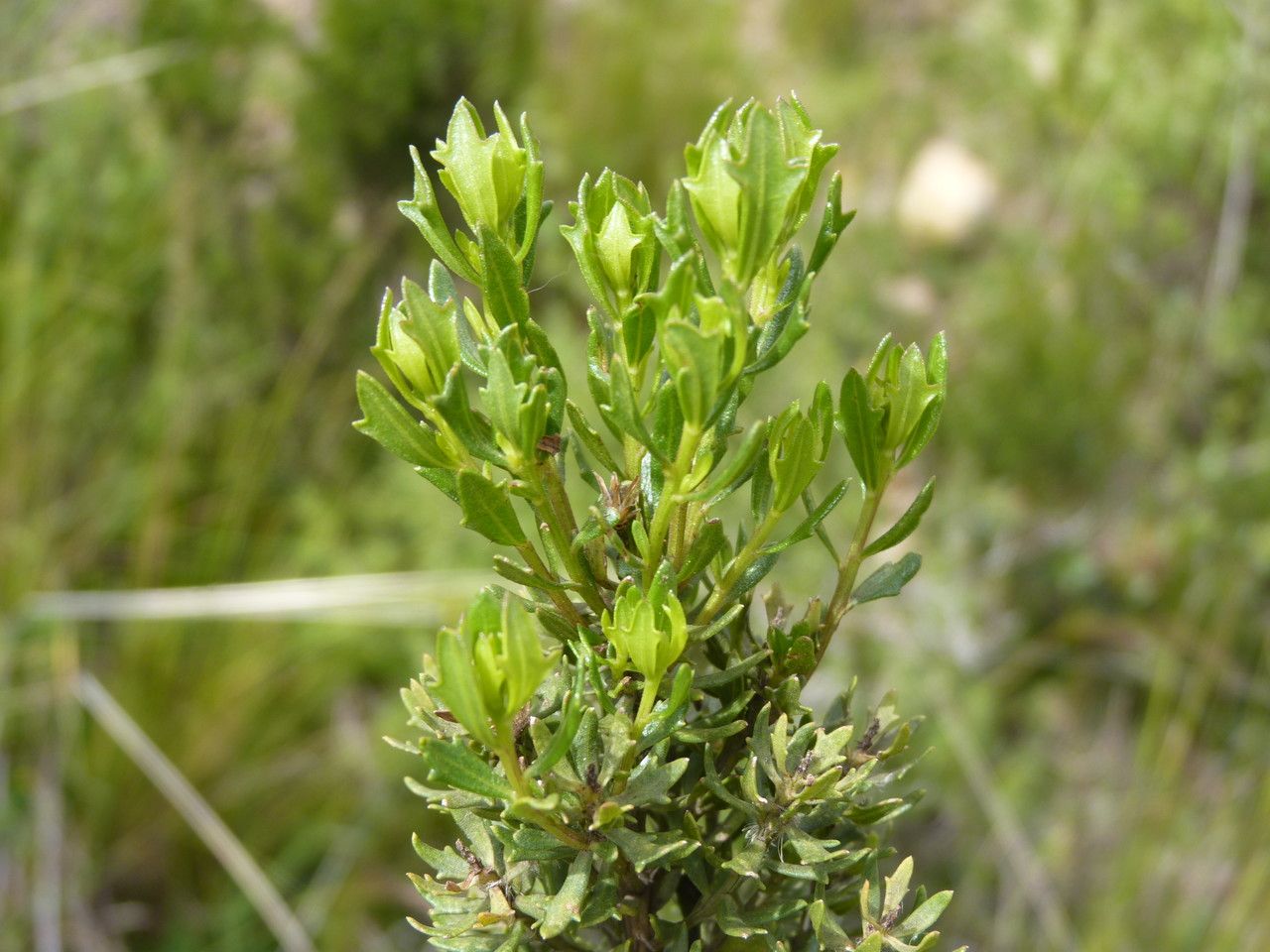
Baccharis Linearifolia: A Guide to Propagation for Easy Garden Expansion
Ever dreamt of filling your garden with the beautiful and fragrant Baccharis linearifolia, but hesitated because of the price tag? Well, fear not! This versatile plant, known for its silvery-white foliage and delightful honey-like aroma, is a natural for propagation, and it’s easier than you might think. This guide will walk you through the simple steps of growing your own Baccharis linearifolia from cuttings, allowing you to expand your garden with ease and save a little cash along the way.
The Power of Cuttings
Baccharis linearifolia, also known as the “Coyote Brush,” is a champion of propagation through cuttings. This means taking a piece of the plant and encouraging it to develop roots, effectively creating a new plant! Here’s how to make the magic happen:
1. Timing is Key: The best time to take cuttings is in the spring or fall. This is when the plant is actively growing, giving the new roots the best chance of success.
2. Choosing the Right Cuttings: Look for healthy stems that are firm, yet flexible. Ideal cuttings are between 4 to 6 inches long and should have at least two sets of leaves. Snip them from the tip of the stem, making a clean cut just below a node (the point where leaves grow). These nodes possess the magic ingredient – dormant buds that will sprout new roots.
3. The Power of Pruning: To encourage growth, pinch off the leaves from the bottom inch or two of the cutting. This focuses the plant’s energy on root development instead of leaf production.
4. The Root-Stimulating Soak: Dip the freshly cut ends of your cuttings into a rooting hormone. This encourages the roots to form faster and stronger, though it’s not strictly necessary, it’s a good practice for beginners.
5. Preparing Your Home for New Growth: Fill a pot with a well-draining potting mix, leaving the top inch free for watering. Make a hole in the center of the mix, just deep enough to accommodate your cutting. Gently insert the cutting, assuring that at least one node is buried in the soil.
6. The Perfect Environment: Place your new cutting in a bright but indirect location. Aim for a warm, humid spot if possible. While the cuttings are developing roots, keep the soil consistently moist but not soggy.
7. Patience is a Virtue: The rooting process might take anywhere from a few weeks to several months, depending on the time of year and your chosen rooting method. Keep a close eye on the cuttings for any signs of new growth. Congratulations – you’ve successfully rooted your own Baccharis linearifolia!
8. Transplanted into Glory: Once your new plant has a healthy root system, it’s time to transplant into a larger pot or directly into your garden. Choose a sunny location with well-drained soil.
The Joys of Propagation
Propagating your own Baccharis linearifolia is not only a rewarding experience, but it’s also cost-effective and eco-friendly. You’ll have plenty of plants to fill your garden with their unique beauty and fragrance, and you’ll be doing your part in reducing the environmental impact of the horticultural industry.
So, what are you waiting for? Grab your gardening gloves and give propagation a try. You’ll be amazed by the easy and enjoyable journey of creating your own Baccharis linearifolia haven!