
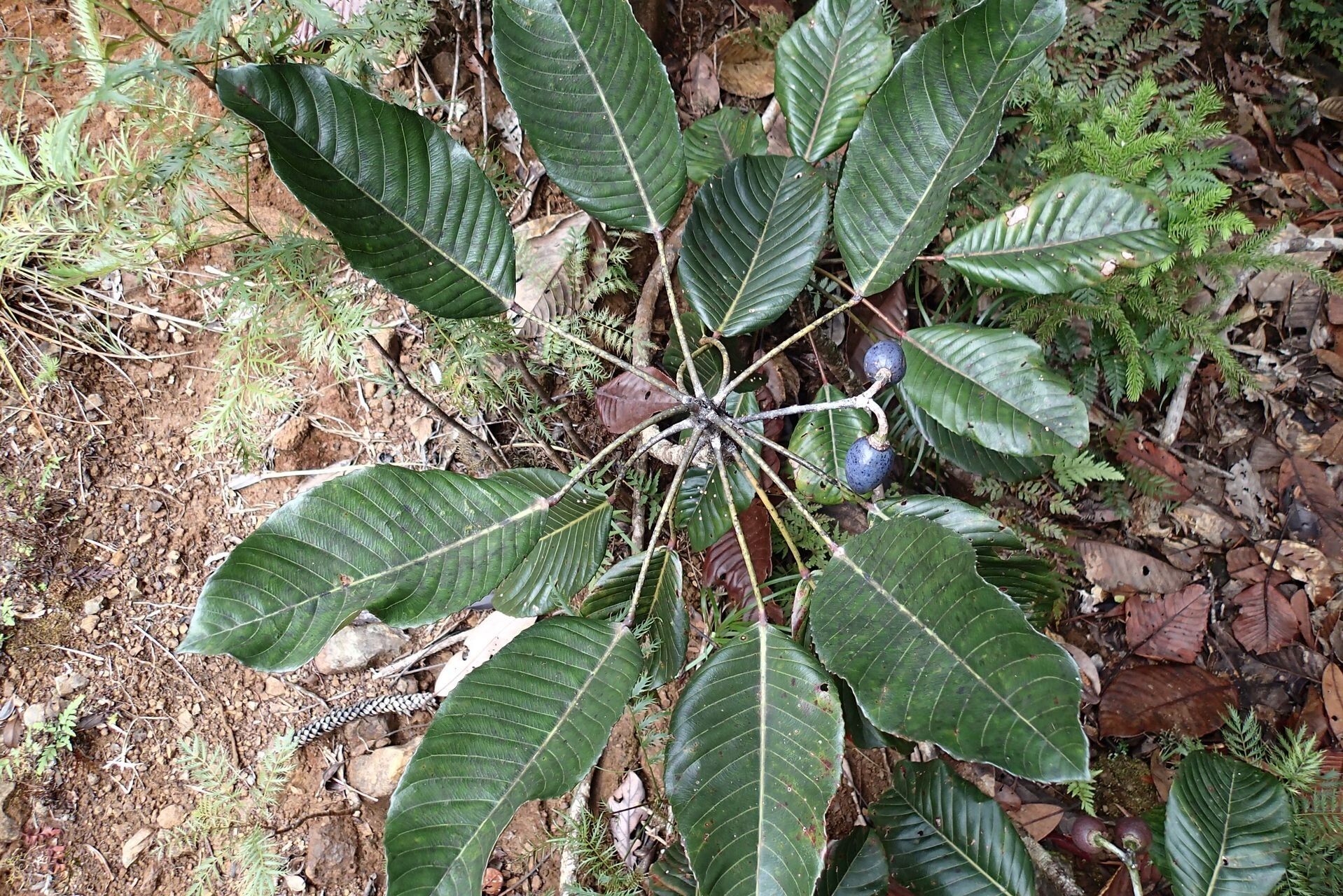
From Seed to Success: Propagating your Elaeocarpus Gummatus
The Elaeocarpus gummatus, often called the Blue Satinash, is a stunning tree renowned for its beautiful blue-green foliage and delicate white flowers. But beyond its ornamental beauty, this Australian native is also a fascinating and rewarding plant to propagate. While it may seem daunting at first, understanding the process can unlock the joy of nurturing your own Elaeocarpus gummatus from scratch.
Understanding the Basics:
Propagation refers to the process of creating new plants from existing ones. For the Elaeocarpus gummatus, there are two main methods:
- Seed Propagation: This method involves collecting seeds from ripe fruits and sowing them in a suitable medium. It’s a slow process but offers the satisfaction of watching your plant develop from a seedling.
- Cutting Propagation: This technique involves taking cuttings from mature branches and encouraging them to root. Although faster than seed propagation, cutting propagation requires more careful handling and specific techniques.
Taking the Seed Route:
- Seed Collection: The Elaeocarpus gummatus produces fleshy fruits that turn dark purple when ripe, containing a single seed. Carefully collect these fruits and extract the seeds.
- Pre-Treatment: Before sowing, the seeds require a period of pre-treatment to break their dormancy. This can be achieved by soaking them in warm water for 24 hours or by scarifying the seed coat with sandpaper.
- Sowing: Sow the pre-treated seeds in a mix of seed raising mix and perlite, ensuring they are barely covered with soil. Place the pot in a well-lit location and maintain a consistent temperature.
- Gently Nurture: Patience is key when propagating from seeds. It can take several months for seedlings to emerge, and their growth may be slow in the initial stage. Providing them with regular watering and a well-drained soil mix is crucial.
Embracing the Cutting Method:
- Cuttings Selection: Choose healthy, mature branches from the Elaeocarpus gummatus. Aim for semi-hardwood cuttings that are around 10-15cm long.
- Preparation: Make a clean cut just below a node (where a leaf grows) using a sharp knife or pruning shears. Remove the lower leaves to prevent rotting and dip the end of the cutting in a rooting hormone powder or solution.
- Planting: Fill a pot with a rooting mix suitable for cuttings and make a hole deep enough to accommodate the cutting. Insert the cutting, ensuring the hormone-treated end is buried in the mix.
- Mist and Monitor: Water the cutting regularly, ensuring the soil remains moist but not waterlogged. Cover the pot with a plastic bag or dome to maintain humidity levels. Regularly check the cuttings for signs of rooting, such as new growth or calluses.
Key Points to Remember:
- Location: Both seeds and cuttings require a bright location with indirect sunlight, especially in the initial stages.
- Watering: Water regularly but avoid overwatering, as this can lead to problems like fungal diseases.
- Soil: Use well-draining soil mixes that are specifically formulated for seedlings or cuttings.
- Fertilizers: Use a balanced fertilizer diluted to half strength after the seedlings or cuttings have established.
- Patience: Remember, propagation takes time. Don’t get discouraged if your seedlings or cuttings don’t show signs of growth immediately.
Whether you choose to embark on the seed propagation route or opt for the faster cutting method, propagating your own Elaeocarpus gummatus is a rewarding and enriching experience. Your dedication and care will be rewarded with a beautiful and unique plant that grows into a cherished part of your garden, a testament to your green thumb and a testament to the magic of plant propagation!