
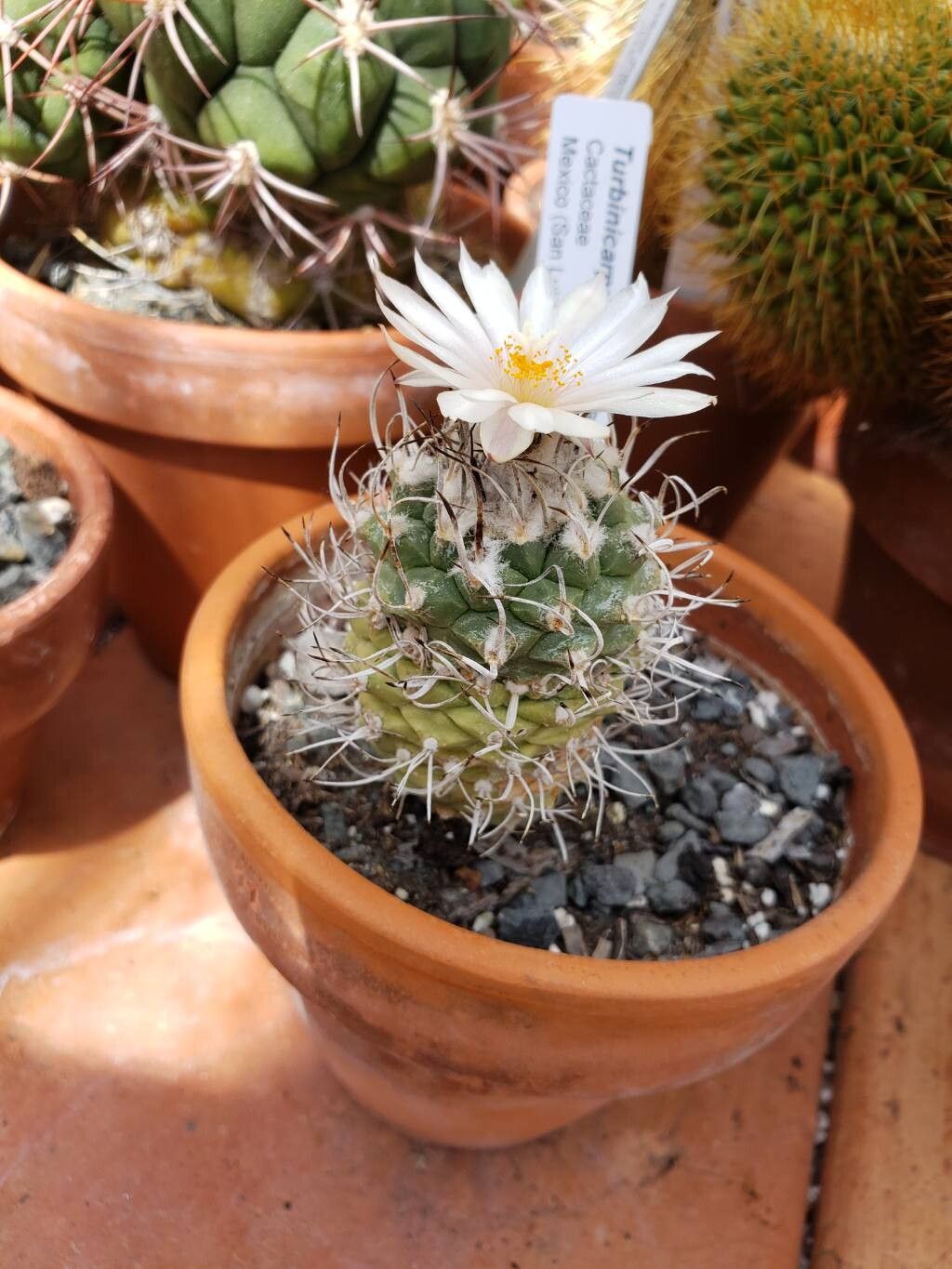
Tiny Treasures: Propagating Turbinicarpus lophophoroides, the “Living Rock”
The captivating world of cacti is filled with unique and fascinating species. Among these, the Turbinicarpus lophophoroides stands out as a true gem — a miniature marvel known colloquially as the “Living Rock” due to its small size and stunning resemblance to a weathered stone. Its alluring, compact form, adorned with delicate, woolly hairs, draws collectors and admirers alike. But did you know you can share its beauty with others by propagating this resilient cactus?
The Magic of Seed Propagation:
The most popular and rewarding method of propagating Turbinicarpus lophophoroides is through seeds. Obtaining seeds from a reputable source is crucial, as they vary widely in quality and viability. Once you have the seeds, the process is simple:
- Prepare a Seed Starting Mix: Create a well-draining mix by combining equal parts pumice, fine perlite, and sterilized potting soil.
- Sow Your Seeds: Lightly moisten the seed starting mix and scatter the seeds evenly on the surface, ensuring they are not crowded. Don’t bury them; cacti seeds need sunlight to germinate.
- Provide Warmth and Light: Cover the container with a clear plastic wrap to create a humid environment. Place it in a warm location with bright, indirect light. An ideal temperature range is between 70-80°F (21-27°C).
- Patience is Key: Germination can take anywhere from a few weeks to several months, depending on the age of the seeds. Maintain a light misting of the soil, keeping it moderately moist.
A Touch of Patience, A World of Reward:
As seedlings emerge, they are incredibly vulnerable. Maintain a constant humidity, and gradually accustom them to direct sunlight. Once the seedlings develop their first true leaves, begin to reduce the watering frequency, allowing the soil to fully dry out between waterings. This will encourage root development and prevent rotting.
Delving Deeper: Grafting Techniques
For those seeking a faster growth rate and potentially a more impressive display, grafting is an alternative propagation method. This technique involves attaching a seedling of Turbinicarpus lophophoroides to the rootstock of another, faster-growing cactus.
Common Rootstocks:
- Pereskiopsis sp.: Known for its rapid growth and strong root system, this is the most popular choice for grafting Turbinicarpus lophophoroides.
- Hylocereus undatus: Another readily available and effective rootstock for this cactus.
The Grafting Process:
- Prepare the Rootstock: Slice off the top of the rootstock with a sharp blade, creating a flat, smooth surface.
- Prepare the Scion: Cut a section of Turbinicarpus lophophoroides seedling, ensuring it has a clean, flat surface.
- Combine and Secure: Align the cut surfaces of the rootstock and scion, carefully pressing them together. Secure the graft with a rubber band or grafting tape to ensure a tight connection.
- Post-Grafted Care: Protect the graft from direct sunlight and excessive humidity for the first few weeks. Maintain a humid environment to encourage healing.
The Beauty of Propagation:
Propagating Turbinicarpus lophophoroides is an enriching experience. Not only do you create new plants, but you learn the nuances of their growth and resilience. With careful attention and a bit of patience, you can marvel at the transformation from seed to a beautiful, miniature “Living Rock” and share this captivating species’ charm with fellow plant enthusiasts.
Remember to always prioritize sustainable sources for seeds and to propagate responsibly, ensuring the wellbeing of both the mother plant and the new generation of these captivating “Living Rocks.”