
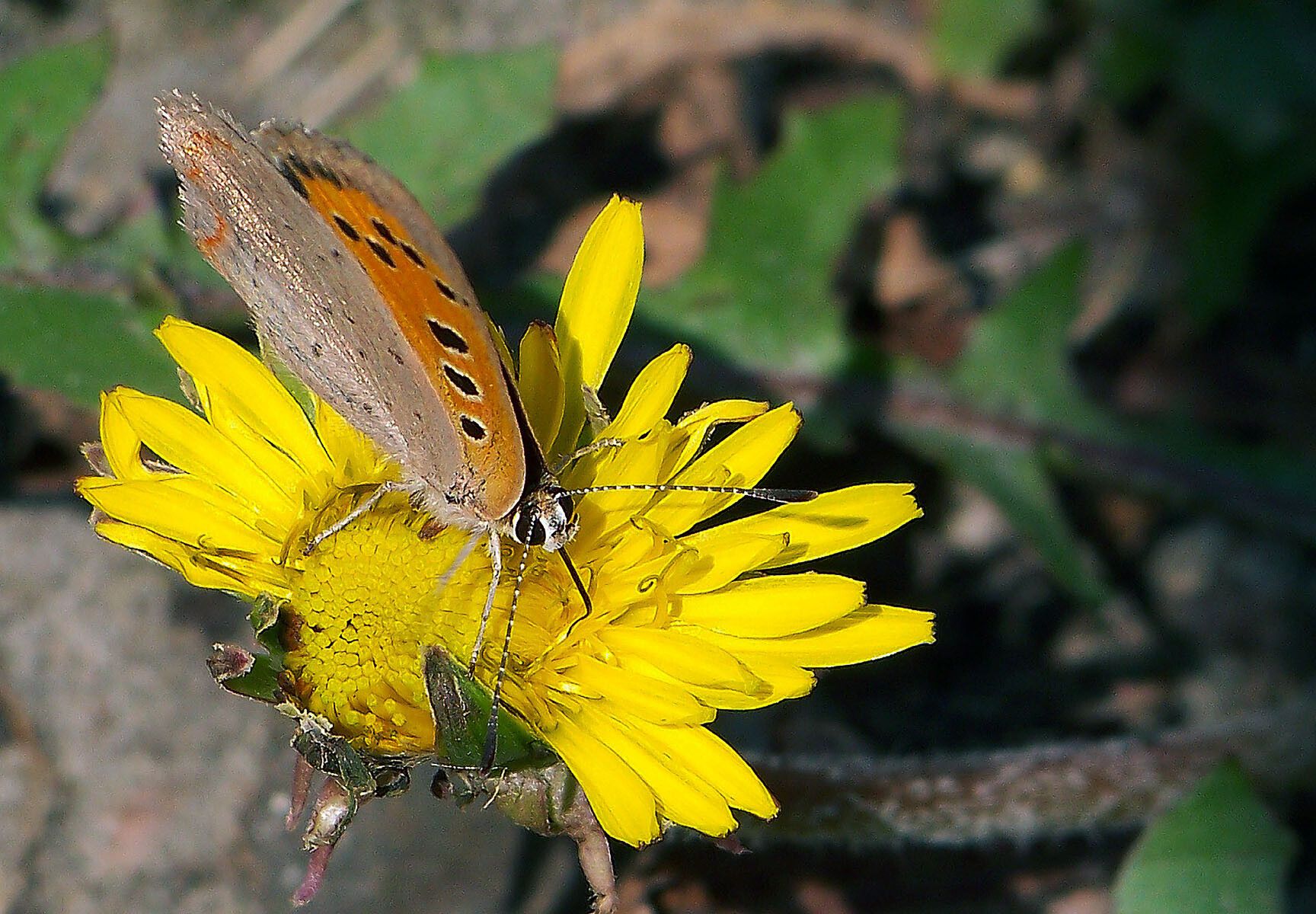
From Backyard Weed to Garden Gem: Propagating the Resilient Dandelion (Taraxacum multidentatum)
Ah, the dandelion. A symbol of spring, a pesky lawn weed, and a surprisingly versatile culinary and medicinal herb. While its ubiquitous nature often leads to its eradication, many are discovering the hidden beauty and benefits of Taraxacum multidentatum, also known as the multidentate dandelion. Today, we delve into the world of propagating this resilient plant, revealing the surprising ease with which you can bring this little powerhouse into your own garden.
A Little Bit of Science:
Taraxacum multidentatum is a member of the Asteraceae family, known for its distinctive yellow flower heads and fluffy seed balls. Its scientific name, “multidentate” refers to its deeply lobed leaves, resembling numerous teeth. This dandelion species is known for its adaptability, thriving in a wide range of conditions, making it an ideal candidate for beginner propagators.
The Art of Seed Propagation:
For those seeking a hands-off approach, seed propagation is the way to go. You can collect seeds directly from mature dandelion flower heads.
- Timing is key: Harvest seeds right after the flower head turns into a fluffy white “clock.” The seeds are most viable at this stage.
- Gathering the treasure: Gently pluck the seed head, ensuring a good amount of the fluffy parachute-like structures remain attached.
- Storing the seeds: Place them in a dry and airy location. You can simply break them apart and sprinkle them onto a sheet of paper or store them in a paper bag for later use.
- Sowing time: Sow seeds directly into the ground in the fall or early spring. Dandelions prefer well-drained soil and full sun.
- Germination: Expect germination within 1-2 weeks.
The Magic of Root Division:
For a faster and more controlled propagation method, try root division. This technique is best performed in early spring or fall.
- Select a healthy plant: Choose a dandelion with abundant foliage and a well-established root system.
- Carefully dig: Gently dig around the base of the plant, ensuring you capture as much of the root mass as possible.
- Divide the root: With a sharp knife or garden shears, carefully divide the root into sections that contain at least one healthy bud.
- Prepare the new home: Place the divided root sections in a new location, making sure the bud faces upwards.
- Water generously: Keep the new plants consistently watered until they become established.
Nurturing the Seedlings:
- Thinning: Once the dandelions have established themselves and grown a few true leaves, thin them out to allow for optimal growth.
- Water wisely: Ensure adequate moisture, particularly during dry spells. While dandelions are resilient, consistent watering will help them thrive.
Beyond the Garden’s Edge:
Propagating Taraxacum multidentatum is not just about adding a touch of wildness to your garden. Its versatility is truly remarkable! From delicious greens and vibrant blossoms to natural remedies for various ailments, this humble weed offers a wealth of benefits.
So, the next time you see a dandelion, don’t just dismiss it as a nuisance. Consider it a potential garden treasure – one waiting to be cultivated, shared, and enjoyed for its incredible attributes. Remember, with a little care and dedication, you can bring the vibrant world of the dandelion to life in your own garden, unlocking its full potential and enriching your life with its unique charm.