
From One to Many: Propagating the Bizarre Beauty of Stapelianthus madagascariensis
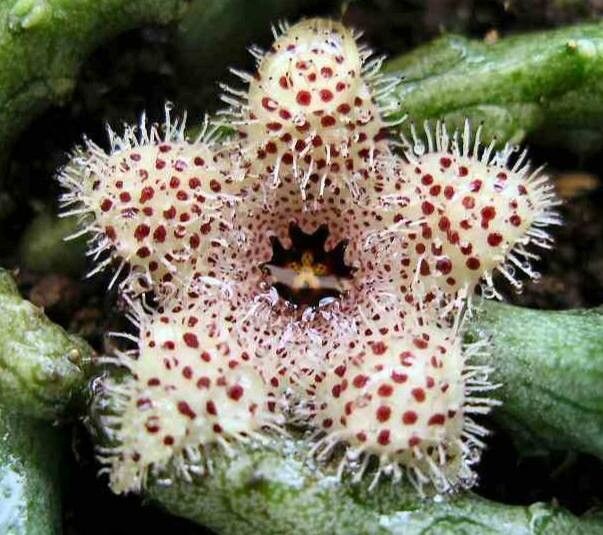
“What in the world is that?!” That’s the common reaction when someone first encounters a Stapelianthus madagascariensis, with it’s fleshy, spiky arms adorned with unusual, star-shaped flowers. This succulent, hailing from Madagascar, is a captivating plant, but like many unique beauties, it can be a little challenging to grow. Luckily, propagation is relatively easy, allowing you to multiply your collection and even share the bizarre beauty with friends!
Understanding the Basics
Stapelianthus madagascariensis, known as the “Carrion Flower,” is a member of the Apocynaceae family and, similar to many succulents, it can regenerate quite well from cuttings. There are two primary methods of propagation – cutting and seed – and each has its pros and cons.
Cutting Propagation: The Quick and Easy Method
The most common and efficient method for multiplying this plant is cutting propagation. Here’s a step-by-step guide:
- Timing is Key: The best time to take cuttings is during the plant’s active growing season, typically Spring or Summer, when the plant is producing new growth.
- The Cut: Choose a healthy, mature stem from the plant, and use a sharp, sterilized knife or pair of shears to make a clean cut just below a node (the point where leaves or branches grow). The ideal cutting size for Stapelianthus madagascariensis is around 4-6 inches long.
- Drying Time: Allow the cut end of the stem to dry and form a callus (a protective layer) for a day or two before planting.
- The Potting Mix: Prepare a well-draining potting mix, ideally a blend of cactus potting mix and perlite or pumice. This ensures proper drainage and airflow, preventing root rot.
- Planting: Place the cut end of the stem into the prepared pot and gently tamp the soil around it. It’s crucial not to bury the cutting too deeply, as this can lead to rotting.
- Care: Water the cutting lightly after planting, ensuring the soil is moist but not saturated. Place the pot in a bright, indirect light location, but avoid direct sunlight, especially during the hottest months. Once the cutting establishes roots, you can gradually acclimate it to more intense sunlight.
Seed Propagation: Expanding Your Collection
For those seeking an alternative to cuttings or wanting to experiment with genetic variations, seeds are another propagation option. However, this method requires patience and can lead to variations in traits.
- Sourcing Seeds: Acquire seeds from a trusted source or collect them from your own mature plant. Stapelianthus madagascariensis usually produces pods that contain numerous seeds.
- Germination Process: Sow the seeds in a shallow tray filled with a sterile seed-starting mix. Water gently and cover the tray with a clear lid to create a humid environment. Place the tray in a bright, warm location.
- Germination Time: Germination can take several weeks, so be patient. Once seedlings emerge, remove the lid and ensure adequate light and ventilation.
- Transplanting: When the seedlings grow larger, transplant them into individual pots with well-draining potting mix.
Choosing the Right Method
For most enthusiasts, cutting propagation is the preferred method for Stapelianthus madagascariensis because it’s quick, reliable, and preserves the unique traits of the parent plant. Seed propagation, on the other hand, allows you to create new varieties and explore variations in the species, providing a fun challenge for experienced succulent growers.
Stapelianthus madagascariensis is a truly fascinating and rewarding plant to grow, and with a little patience and effort, you can enjoy the pleasure of multiplying your collection and sharing these unique succulents with others. Whether you choose cuttings or seeds, you’re sure to be captivated by the strange and beautiful world of this Madagascar native.