
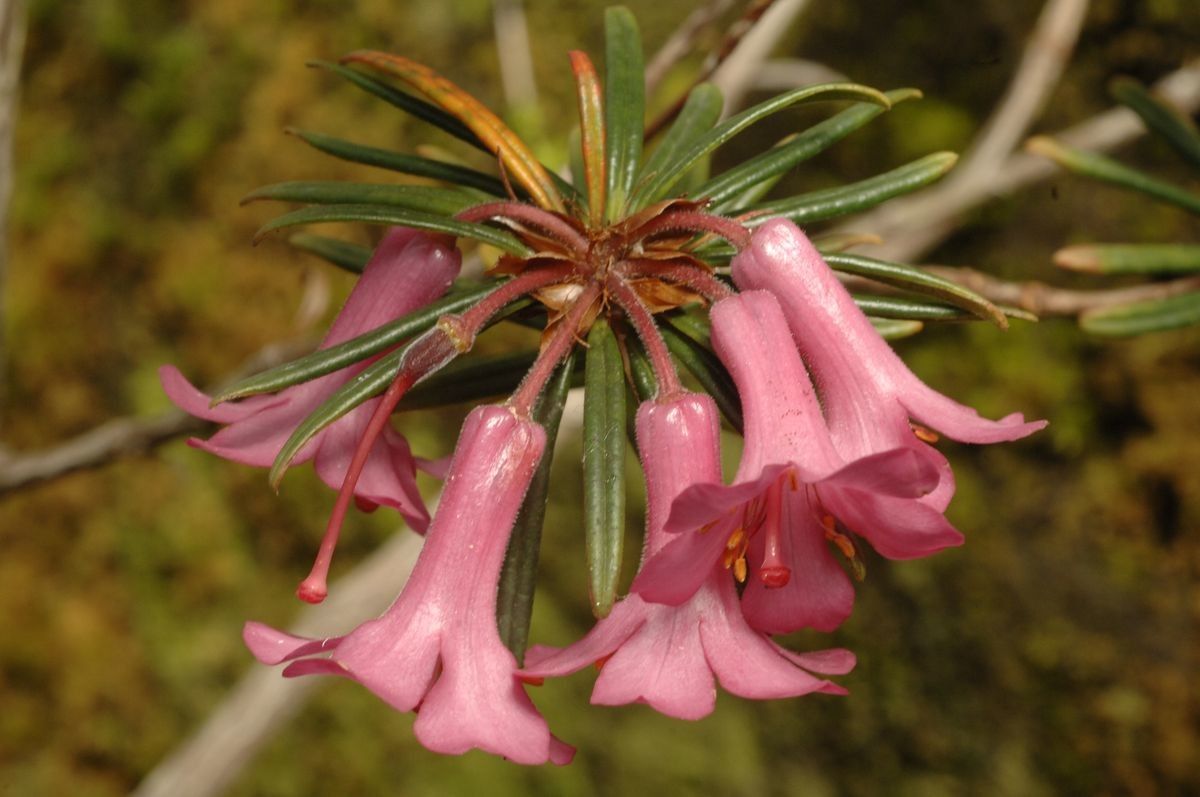
Unlocking the Secrets of Rhododendron abietifolium Propagation: A Guide to Growing Your Own Beauty
Rhododendron abietifolium, with its stunning pink blooms and evergreen foliage, is a true gem in the world of gardening. But what if you could multiply this beauty and fill your landscape with its enchanting presence? The answer lies in propagation – the art of creating new plants from existing ones. While this may seem daunting, with the right information and techniques, you can successfully propagate Rhododendron abietifolium and enjoy its vibrant blooms for years to come.
Understanding the Basics
Propagation for Rhododendron abietifolium primarily involves two main methods: cuttings and layering. Both techniques utilize the plant’s natural ability to develop roots from existing stem tissue.
1. Cuttings: A Step-by-Step Guide
- Timing is key: The ideal time for taking cuttings is during the late spring or early summer when the plant is actively growing.
- Selection matters: Choose healthy, young stems with firm wood that are about 4-6 inches long.
- Prepare your cuttings: Remove the leaves from the bottom inch of the stem and make a clean cut just below a node (the point where a leaf grows).
- Root hormone is your friend: Apply a rooting hormone powder or gel to the cut end of the stem to encourage root development.
- Planting time: Insert the base of the cutting into a pot filled with a well-draining potting mix. Use a rooting hormone solution or a misting bottle to keep the cuttings consistently moist.
- Patience is a virtue: With regular misting and proper care, the cuttings should start to develop roots within 4-6 weeks.
2. Layering: A Gentle Approach
- Choose the right twig: Identify a healthy, flexible twig near the base of the plant.
- Create a wound: Gently cut the base of the twig, exposing the cambium layer (the layer just under the bark).
- Bend and bury: Bend the twig and bury the wounded portion about 3-4 inches deep in the soil. Secure it with a bent wire or stone.
- Patience is key: Keep the buried portion of the twig consistently moist. Roots will start to develop and form a new plant.
- Separation time: After about a year, when the new plant has established roots, you can gently separate it from the parent plant.
Important Propagation Tips:
- Use a sharp knife or pruning shears for clean cuts.
- Choose a shady, humid environment for the cuttings.
- Avoid overwatering, leading to root rot.
- Keep your propagation area warm and well-ventilated.
Beyond Propagation: Caring for Your Rhododendron
Once your propagated plants have successfully rooted, it’s essential to provide proper care to ensure their well-being. This includes:
- Planting in well-drained, acidic soil.
- Keeping them adequately watered, especially during dry spells.
- Protecting them from harsh sun and frost.
- Fertilizing regularly with a balanced fertilizer designed for acid-loving plants.
Conclusion
Propagating Rhododendron abietifolium is a rewarding journey that allows you to enjoy its beauty in abundance. With a little patience and the right techniques, you can create stunning new plants that will bring joy to your garden for years to come. Embrace the process, marvel at the wonders of nature, and witness the magic of propagation unfold in your own backyard.