
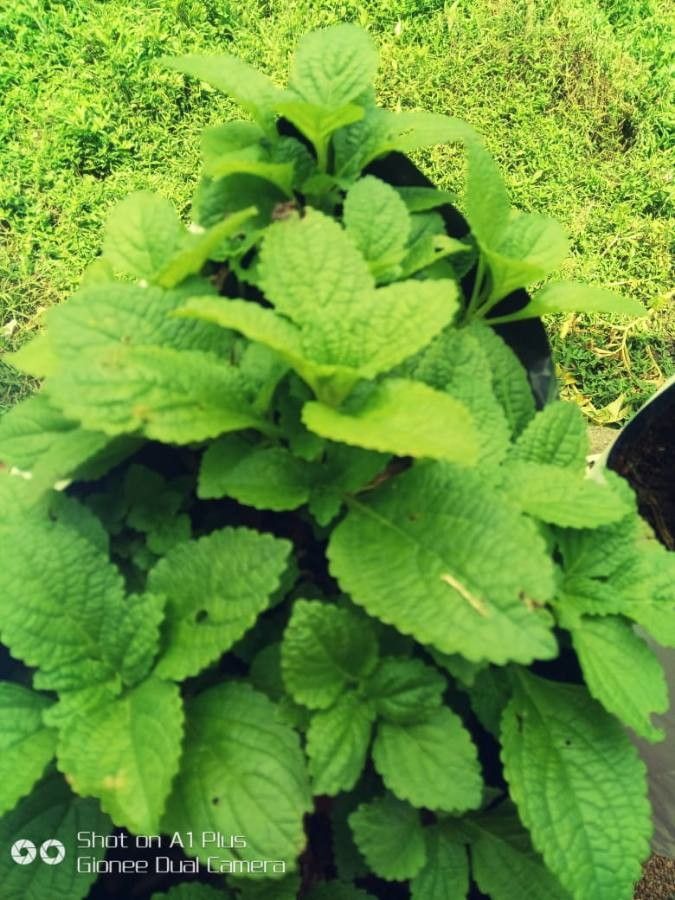
From One to Many: Mastering Coleus Rotundifolius Propagation
Coleus rotundifolius, with its captivating foliage boasting a vibrant spectrum of colors, is a coveted addition to any garden. But purchasing new plants can be pricey, and the joy of nurturing a small cutting into a flourishing plant is unbeatable. That’s where propagation comes in – a simple, cost-effective way to expand your collection and share the beauty of Coleus rotundifolius with others.
The Magic of Stem Cuttings:
The most common and effective method for propagating Coleus rotundifolius is through stem cuttings. This technique involves taking a healthy section of a mature stem and encouraging it to develop roots. Here’s how it works:
- Selection is Key: Choose a non-flowering stem with several nodes (bumps where leaves grow). Cut 4-6 inches below the topmost node at a 45-degree angle using a sharp blade.
- Stripping and Dipping: Remove any leaves below the top two to prevent rotting. Dip the cut end in rooting hormone powder, which encourages root growth.
- Potting Up: Fill a small pot with well-draining potting mix and make a hole in the center. Gently insert the prepared cutting, ensuring at least one node is buried.
- The Care Routine: Mist the cutting regularly and place it in a warm, bright spot, avoiding direct sunlight. You can use a propagation dome or plastic wrap to create a humid environment.
- Patience is Virtue: Roots typically develop within 2-4 weeks. You’ll notice new growth emerging from the top, indicating successful rooting.
Additional Propagation Techniques:
While stem cuttings are popular, you can also explore alternative methods:
- Leaf Cuttings: Take a healthy leaf with a petiole (leaf stalk) and insert it into a moist growing medium. While it takes a bit longer, this method can yield multiple new plants from a single leaf.
- Air Layering: Make a small incision on a stem and wrap it with moist sphagnum moss, covered with plastic film. Roots will form, and you can sever the layered portion once they’re developed.
Tips for Success:
- Timing is Everything: The best time for propagation is during the spring and summer when the plant is actively growing.
- Use Fresh Cuttings: Ensure the cutting is clean and free of diseases or pests.
- Sterilize Your Tools: Use a disinfectant to clean your cutting tools to prevent the spread of diseases.
- Don’t Overwater: Allow the growing medium to dry slightly between waterings, as overwatering can lead to root rot.
Beyond Your Garden:
Propagated Coleus rotundifolius plants make wonderful gifts for fellow plant enthusiasts. Sharing the joy of growing these captivating plants and encouraging sustainable gardening practices can be a rewarding experience.
Conclusion:
Propagating Coleus rotundifolius isn’t just a practical way to expand your plant collection; it’s a fulfilling journey of nurturing new life. From the simple act of taking a cutting to the satisfaction of watching a new plant flourish, the process offers a rewarding experience and a deeper connection to the natural world. So, grab your tools, collect your cuttings, and embark on a captivating plant propagation adventure!