
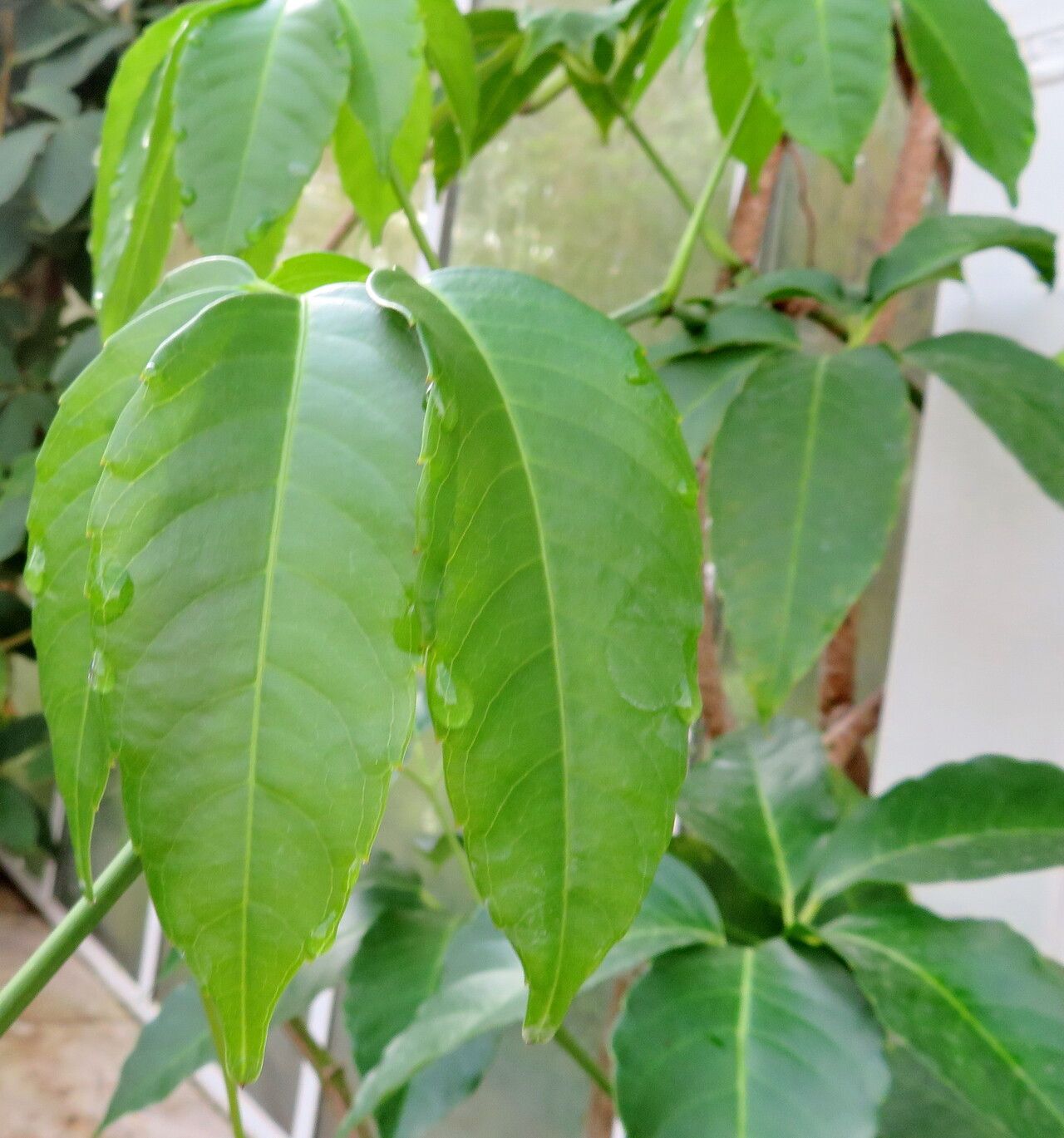
Tetrastigma Rumicispermum: Unlocking the Secrets to Propagating This Unique Vine
For plant enthusiasts seeking a unique and vigorous climber, the Tetrastigma rumicispermum, often affectionately called the ‘Grape Ivy,’ holds a certain allure. But beyond its striking appearance lies the challenge of successfully propagating this fast-growing vine. This blog post unveils the secrets to achieving successful propagation of Tetrastigma rumicispermum, offering tips and techniques that will transform your green thumb into a true vine wizard.
The Power of Propagation: Unveiling New Life from Existing Plants
Propagation, in essence, is the art of creating new plants from existing ones. It’s a rewarding process that allows you to expand your collection, share your love of plants, and even potentially save money. When it comes to the Tetrastigma rumicispermum, propagation offers the most reliable way to create new vines, as seeds can be notoriously difficult to germinate.
Two Pathways to Success: Stem Cuttings and Air Layering
For the Tetrastigma rumicispermum, two primary propagation techniques, stem cuttings and air layering, hold the key to success.
1. Stem Cuttings: A Simple Yet Powerful Approach
Stem cuttings are a widely used method for propagating plants. Here’s how to do it:
- Timing is key: In the spring or early summer, during the plant’s active growth phase, select healthy, non-flowering stems.
- Cuttings with precision: Using sharp, clean shears, take 4-6 inch cuttings from the stem. Ensure each cutting has at least three nodes (where leaves grow).
- Prepare for growth: Remove the lower leaves, leaving two or three at the top. Dip the cut ends in rooting hormone to promote root development.
- The right environment: Plant the cuttings in a well-draining potting mix, keeping them moist. Place them in a warm, bright location, but out of direct sunlight.
- Patience is key: Wait patiently. It can take several weeks for roots to emerge. Keep the soil moist but not soggy, and avoid overwatering. Once new growth appears, your cuttings have successfully rooted.
2. Air Layering: A Technique for Fast Growth
Air layering is especially effective with Tetrastigma rumicispermum, as it allows for the development of a strong root system before separating the new plant from the parent vine.
- Select a suitable stem: Find a healthy stem on your Tetrastigma, about 1/2 inch in diameter.
- Prepare the stem for rooting: Make a cut, about 1 inch long, on the stem’s underside.
- Apply rooting hormone: Gently spread rooting hormone into the cut, ensuring it covers the entire wound.
- Wrap the stem: Wrap moistened sphagnum moss around the cut area and secure it with plastic wrap or aluminum foil, leaving a small opening for air circulation.
- Maintain moisture: Keep the sphagnum moss moist by periodically misting it with water.
- New roots, new life: After several weeks, new roots should start to develop within the moss. Once the roots are substantial, carefully sever the new plant from the parent vine and pot it in a well-draining potting mix.
Beyond Technique: Success Factors for Thriving Vines
- The right environment: Provide your propagated Tetrastigma rumicispermum with bright, indirect light and consistently warm temperatures.
- Well-draining soil: Ensure their environment has well-draining soil to prevent root rot. Repot as needed into pots with drainage holes.
- Moisture management: Water your plants regularly but avoid overwatering. Feel the soil with your finger to determine the need for water.
- Fertilization for growth: Provide regular fertilization during the growing season to encourage healthy growth.
Nurturing the Legacy of Your Tetrastigma
By using these methods, you can successfully propagate your Tetrastigma rumicispermum, adding a touch of lush greenery to your home or garden. Enjoy the journey of watching your new vines blossom and thriving, creating a unique legacy of growth from your own horticultural efforts. Enjoy the journey!