
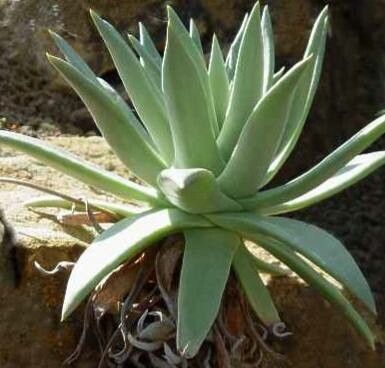
From One to Many: Mastering the Art of Dudleya Cultrata Propagation
The Dudleya cultrata, with its striking rosette of fleshy, silvery-green leaves and attractive pink-tinged blooms, is a sought-after succulent for its unique beauty. But what if you could create more of this captivating plant, expanding your succulent collection and sharing its charm with others? That’s where propagation comes in.
This guide will walk you through the process of propagating Dudleya cultrata, allowing you to enjoy the rewards of creating new life from this fascinating succulent.
Understanding Dudleya Cultrata Propagation
Dudleya cultrata, also known as the “Sword-leaved Liveforever,” can be propagated using two primary methods:
- Leaf Cuttings: This technique involves taking a healthy leaf, allowing it to callous, and then rooting it in a suitable medium.
- Offsets: These are small, plantlets that develop at the base of the mother plant. These can be gently separated and re-potted.
Step-by-Step Guide to Leaf Cutting Propagation
Preparation: Choose a healthy, mature leaf from the Dudleya cultrata plant that has a clean cut. Allow the leaf to callous for a few days in a dry, well-ventilated area. This allows a protective layer to form over the cut surface, preventing mold and decay.
Planting: Prepare a small container filled with a well-draining potting mix specific for succulents. Lightly moisten the medium and use your fingers or a pencil to create a shallow depression in the soil. Insert the calloused end of the leaf into the depression, ensuring it’s sitting firmly.
Care: Maintain a consistently dry environment for the newly planted leaf cutting. While it’s important to keep the soil slightly moist, avoid overwatering, as this can lead to root rot. Place the container in a bright location with indirect sunlight.
- Patience: Be prepared to exercise patience. Dudleya cultrata leaf cuttings can take several weeks to form roots and start growing. Monitor the soil moisture and avoid letting it dry out completely, but never allow it to become waterlogged.
Offset Propagation – A Quick and Easy Method
Separation: Identify offsets, or “pups,” at the base of the mother plant. Carefully separate these offshoots from the main plant, ensuring you’re not damaging any roots.
Potting: Prepare a new pot with well-draining succulent potting mix. Carefully plant the offset, making sure the roots are covered with soil. Water the plant thoroughly.
- Maintenance: Place the newly potted offset in a bright location but avoid harsh direct sunlight. Maintain consistent watering, allowing the soil to dry out completely between waterings.
Additional Tips for Success
- Choose the Right Potting Mix: A well-draining potting mix designed for succulents and cacti is crucial for Dudleya cultrata. Avoid heavy potting soil, which can retain too much moisture and lead to root rot.
- Provide Adequate Lighting: Dudleya cultrata thrives in bright, indirect light. Placing the plant in a well-lit window or providing artificial light can promote healthy growth.
- Minimize Watering: Overwatering can lead to root rot. Allow the soil to dry out completely between waterings, ensuring drainage holes in the pot.
- Pest Control: Dudleya cultrata can be susceptible to pests like mealybugs. Regularly inspect plants and implement appropriate pest control measures if required.
By following these step-by-step instructions and incorporating these helpful tips, you can successfully propagate Dudleya cultrata, creating a vibrant collection of this unique succulent or sharing its beauty with other plant enthusiasts. The process may take a little time, but the satisfaction and reward of growing your own Dudleya cultrata from scratch will be well worth the effort.