
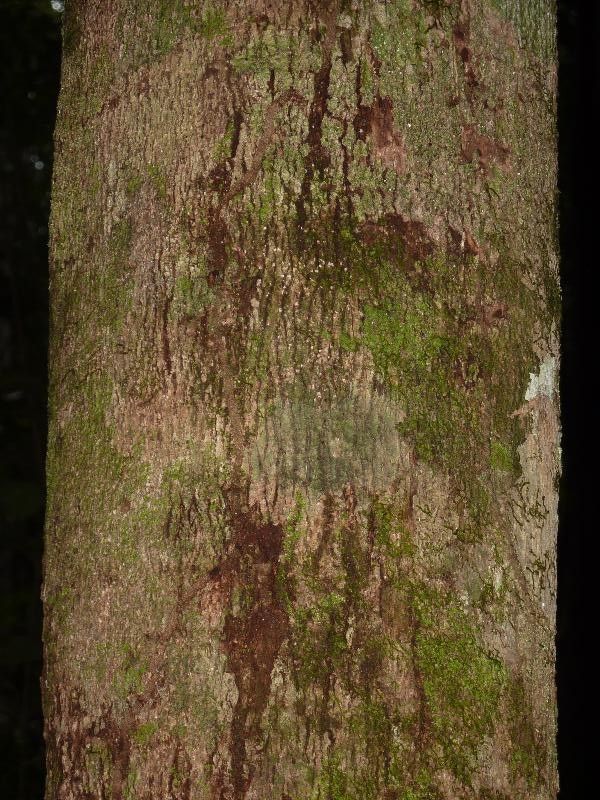
From Seed to Splendor: Propagating the Unique Micropholis acutangula
The Micropholis acutangula, with its captivating oval leaves and intriguing branching pattern, is a plant that sparks curiosity. But beyond its captivating visual appeal lies a fascinating story – one that can be told through the art of propagation. This blog post will delve into the world of propagating Micropholis acutangula, exploring the methods, challenges, and rewarding experiences that come with bringing this unique plant to life.
The Power of Seeds
The most common and rewarding method of propagating Micropholis acutangula is through seeds. The process involves patiently collecting ripe fruits from the plant and extracting the seeds. These seeds need to be sown in a well-draining, slightly acidic seed-starting mix.
Here’s a step-by-step guide to seed propagation:
- Collect ripe fruits: Harvest the fruits when they turn a deep reddish-purple color and become soft to the touch. Use a gentle squeeze to extract the seeds.
- Clean and prepare: Rinse the seeds thoroughly to remove any pulp or debris. Let them dry on a paper towel in a well-ventilated area for a few hours.
- Sowing the seeds: Using small seed trays or pots, fill them with sterilized seed-starting mix. Sow each seed about ¼ inch deep, spacing them a few inches apart.
- Provide ideal conditions: Keep the soil consistently moist but not soggy, maintaining a temperature of around 70-75°F. Cover the trays with a clear plastic dome or a sheet of cellophane to create high humidity.
- Patience is key: Germination can take several weeks, so be patient. Once the seedlings emerge, gradually acclimate them to direct sunlight over a period of two weeks.
Stepping up to Cuttings
While seed propagation offers a sense of connection to the cycle of nature, there are times when a more immediate approach is needed. For those seeking to speed up the process or wanting to ensure specific traits are preserved, propagating through cuttings is an effective alternative.
Here’s a guide to success with cuttings:
- Selecting the right materials: Choose a healthy, mature branch with sturdy growth. Take a cutting about 4-6 inches long, making a clean cut just below a node (the point where leaves emerge).
- Preparing the cuttings: Remove any leaves from the bottom inch of the stem and dip the cut end in a rooting hormone. This will encourage root development.
- Planting the cuttings: Prepare a small pot or container with a well-draining rooting mix. Insert the cuttings into the soil, ensuring at least two nodes are buried.
- Providing the right environment: Maintain consistent moisture, high humidity levels, and indirect sunlight. You can use a clear plastic bag or dome to create a mini-greenhouse effect.
- Patience is still a virtue: Depending on the environment and cutting, rooting can take anywhere from 4 to 8 weeks. Be sure to check for signs of root development, such as new growth emerging from the nodes.
The Rewards of Propagation
Growing Micropholis acutangula from seed or cuttings is more than just a horticultural project – it’s an immersive journey. The process allows us to connect with the plant’s life cycle, observe its growth, and appreciate its unique characteristics. It’s a rewarding experience that fosters a deeper understanding and a sense of connection with the natural world. So, why not embark on this journey, and see your very own Micropholis acutangula blossom from seed to splendor?