
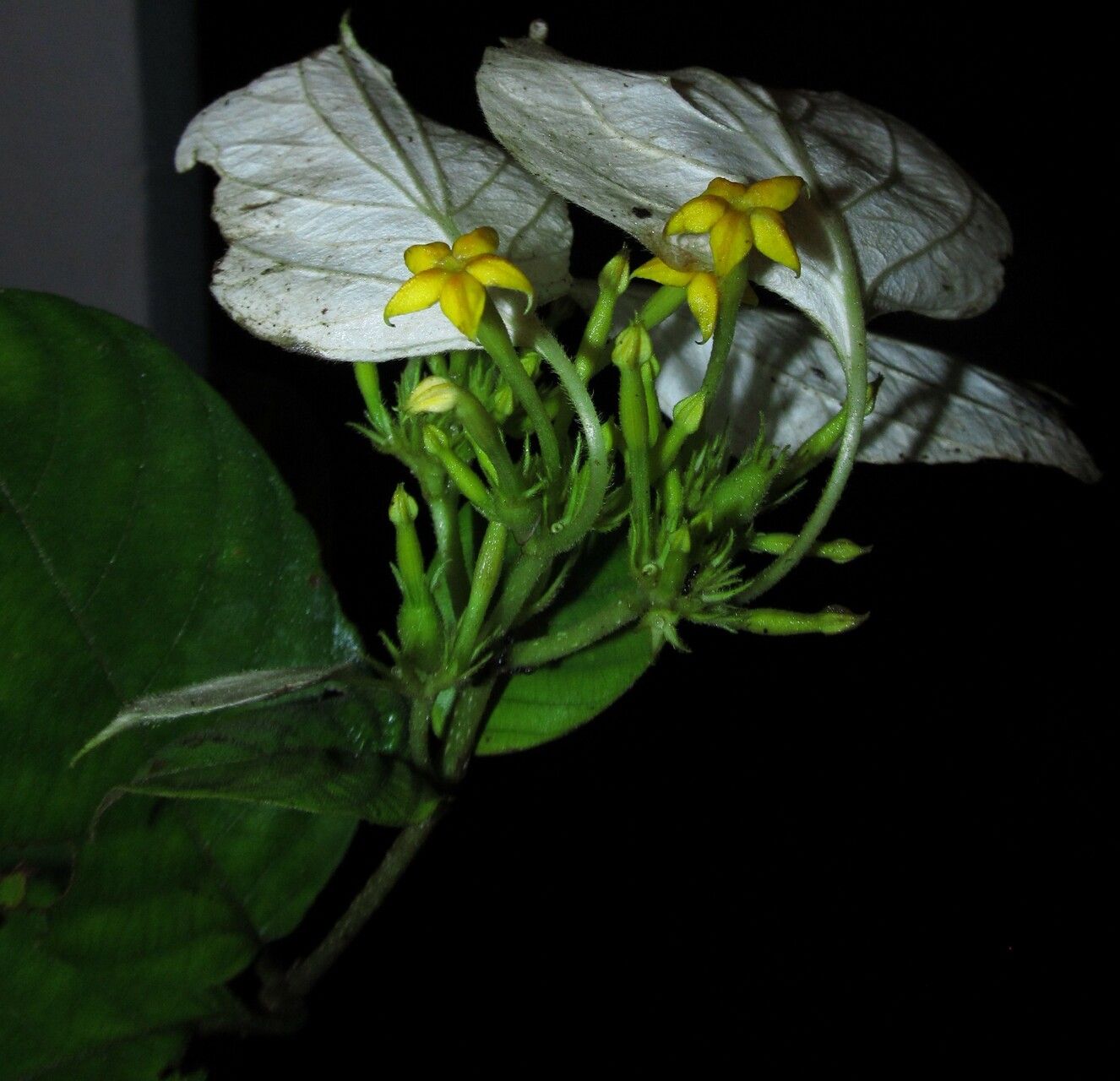
Unleash the Beauty of Mussaenda tenuiflora: A Guide to Successful Propagation
The vibrant, cheerful blooms of Mussaenda tenuiflora, also known as the “Pink Mussaenda,” are a sight to behold. This tropical shrub, with its distinctive pink bracts surrounding the tiny white flowers, adds a burst of color to any garden. But imagine the joy of sharing this beauty with friends and family! That’s where propagation comes in.
Luckily, propagating Mussaenda tenuiflora isn’t a complex process. This guide will walk you through the most effective methods, ensuring you can effortlessly multiply your plants and share the joy of their vibrant blooms.
Method 1: Stem Cuttings: Simple and Reliable
This is the most commonly used propagation technique for Mussaenda tenuiflora, and it’s incredibly effective. Here’s what you’ll need:
- Sharp, sterilized knife or pruning shears: Clean tools prevent infection and ensure clean cuts.
- Softwood cuttings: Choose healthy, non-flowering stems from the current season’s growth. Cuttings should be about 4-6 inches long, with at least three leaf nodes.
- Rooting hormone: While not strictly necessary, using rooting hormone powder can increase success rates.
- Potting mix: Opt for a well-draining mix, such as a blend of peat moss, perlite, and vermiculite.
- Container: Select a pot with drainage holes, at least 4 inches in diameter.
- Clear plastic bag or dome: This helps maintain humidity and warmth for optimal root development.
Here’s how to proceed:
- Prepare the cuttings: Dip the cut end of each stem in rooting hormone powder.
- Potting: Fill the pot with potting mix, leaving about an inch of space at the top. Make a small hole in the center and insert the cutting. Gently firm the soil around the base of the stem.
- Humidity: Cover the pot with a clear plastic bag or dome. This creates a mini-greenhouse environment, trapping moisture and warmth.
- Location: Place the pot in a bright, indirect light spot. Avoid direct sunlight, which can scorch the tender cuttings.
- Watering: Mist the cuttings regularly to maintain high humidity. Allow the soil to slightly dry between waterings.
- Patience: Rooted cuttings should appear in about 4-6 weeks. Once new growth is visible, remove the plastic bag or dome.
- Hardening Off: Gradually acclimate the rooted cuttings to outdoor conditions before transplanting them into the garden.
Method 2: Air Layering: Growing Roots in Place
Air layering is a less common but highly effective technique, particularly beneficial for larger Mussaenda tenuiflora plants:
- Sharp knife or pruning shears: Clean and sterilized for a clean cut.
- Sphagnum moss: Choose fresh, live sphagnum moss and soak it in water until thoroughly rehydrated.
- Plastic wrap: This will keep the moss moist.
- String or rubber bands: Use these to secure the moss around the stem.
Instructions:
- Select a stem: Choose a healthy stem on the desired branch.
- Make an incision: Cut a ring of bark about 1 inch wide from the stem.
- Wrap with moss: Place the dampened sphagnum moss around the incision, covering it completely.
- Secure the moss: Wrap the moss tightly with plastic wrap and secure it with string or rubber bands.
- Moisturize: Keep the moss moist by watering it periodically.
- Root development: Roots will appear within a few months.
- Sever and plant: Once roots are established (at least 2 inches long), carefully cut the layered portion below the roots and plant it in a pot or garden bed.
Tips for successful Propagation:
- Timing is key: The best time to propagate Mussaenda tenuiflora is during the warm, humid months of spring or early summer.
- Provide optimal conditions: Ensure the cuttings or air-layered branches receive bright, diffused light and adequate ventilation.
- Water regularly: Maintain moisture levels but avoid overwatering, which can lead to root rot.
- Fertilize regularly: After new growth appears, fertilize your plants lightly every few weeks to encourage healthy growth.
With these tips and the step-by-step instructions, you are well on your way to cultivating a whole garden filled with the vibrant beauty of Mussaenda tenuiflora, and sharing those blooms with others. Happy propagating!