
Unveiling the Secrets of Alsophila dregei Propagation: A Guide to Growing Your Own Tree Fern Paradise
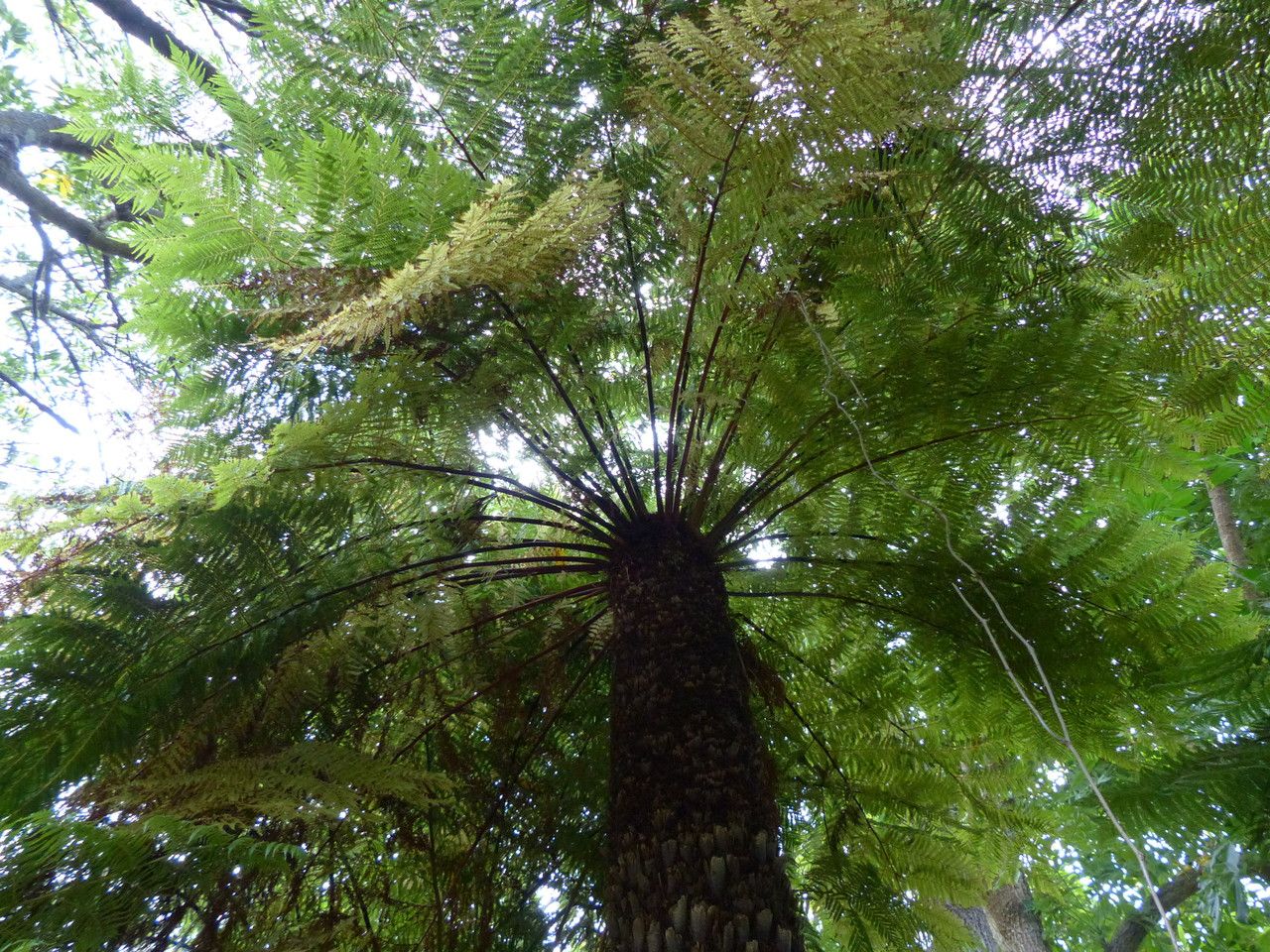
Alsophila dregei, also known as the Cape Tree Fern, is a majestic plant that brings a touch of prehistoric elegance to any garden. Its towering fronds and graceful, archaic form captivate the imagination. But how do you cultivate this captivating species?
The good news is, with a little patience and the right techniques, you can successfully propagate Alsophila dregei yourself. Here’s a comprehensive guide to help you bring this stunning fern into your own backyard:
Methods of Propagation:
Spores: The most common and rewarding (though time-consuming) method is propagation from spores. These tiny specks, located on the underside of mature fronds, are the seeds of the tree fern.
- Collecting Spores: Choose healthy, mature fronds with brown, powdery patches (sori) on the underside. Cut off the fronds and gently scrape the spores onto a paper bag or tray. Leave the spores to dry for a few days.
- Sowing Spores: Use a sterilized seed tray filled with a fine, moist, and free-draining mix like a peat/vermiculite blend. Sprinkle the spores evenly over the surface and lightly mist them with water. The ideal temperature for germination is around 70-75°F.
- Germination & Care: Cover the tray with plastic wrap to maintain humidity and provide bright, indirect light. Germination can take anywhere from a few weeks to several months. Once seedlings emerge (they will resemble tiny green hearts), remove the plastic wrap gradually. Repot the seedlings into individual pots when they are big enough to handle, using a well-draining potting mix suitable for ferns.
- Division (for mature plants): For established plants, you can attempt to propagate through division. This method involves carefully dividing the crown of the plant into smaller sections, each with its own root system. It’s best to consult with a horticultural expert for this method, as it can be more challenging and require a specialized environment.
Essential Considerations for Growing Alsophila dregei:
- Moisture: They need a consistently moist but well-draining soil. Avoid letting the soil dry out completely, but also ensure good drainage to prevent root rot.
- Humidity: Alsophila dregei thrive in humid environments. Misting the fronds regularly and placing the plant near a humidifier can help raise humidity levels.
- Light: While they appreciate dappled shade, they also require some direct sunlight, especially during the cooler months. Avoid exposing them to harsh midday sun, particularly in hot climates.
- Soil: Well-draining soil rich in organic matter is essential. A blend of potting soil, peat moss, and perlite (or similar) can be ideal.
- Temperature: These ferns are generally hardy in USDA zones 9-11. However, they can tolerate some frost, especially when mature.
- Fertilizer: A regular application of balanced fertilizer specifically formulated for ferns can promote vigorous growth.
Patience and Persistence:
Propagating Alsophila dregei can be a rewarding but patient-testing endeavor. Spore germination can be slow, and young plants may be sensitive to environmental changes. Be prepared for the journey, and enjoy the incredible beauty of these majestic ferns.
With time and care, you can watch your own Alsophila dregei thrive, adding a touch of prehistoric elegance to your garden and a unique conversation piece for your space.