
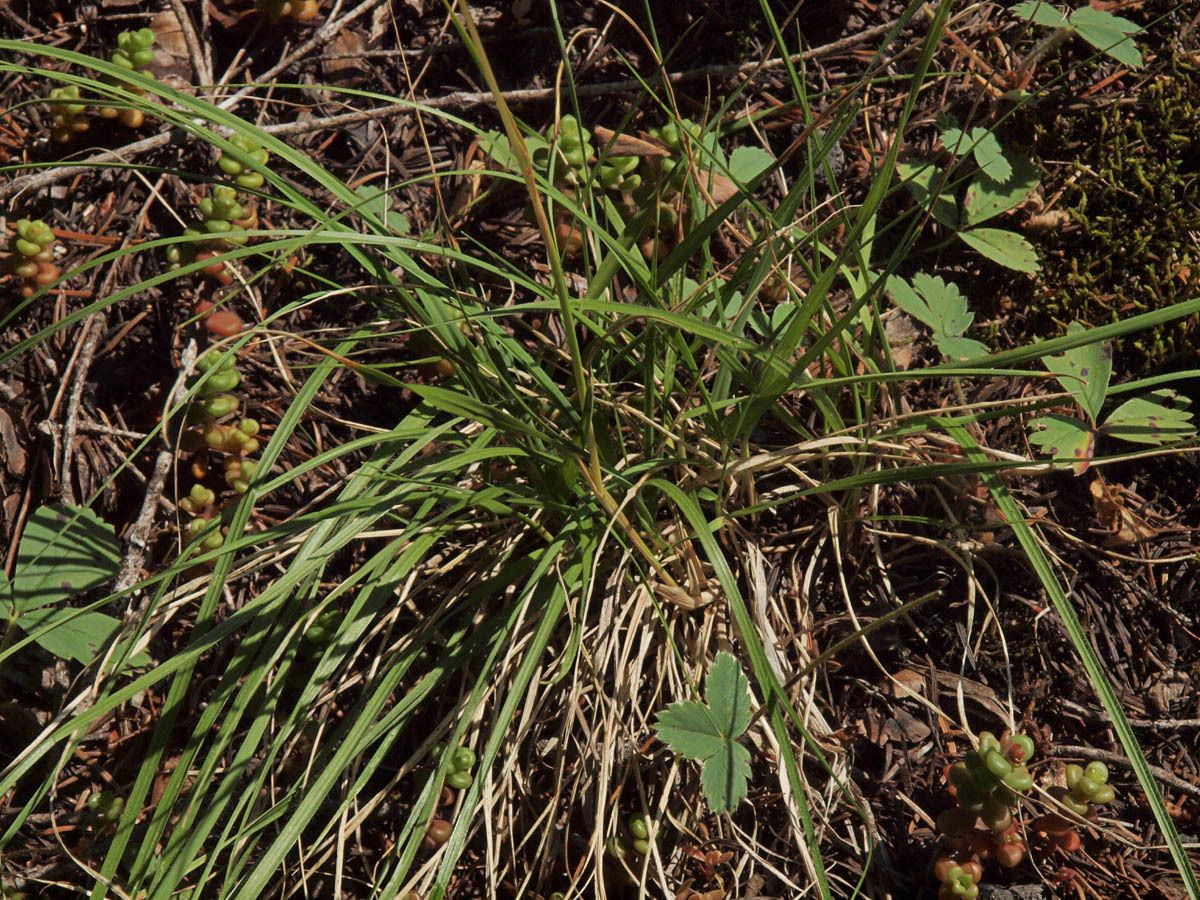
From Seed to Success: Propagating Danthonia Intermedia (and Bringing Beauty to Your Garden)
Danthonia intermedia, a beautiful and low-maintenance native grass, adds a touch of wild elegance to any garden. It’s known for its delicate, airy plumes and adaptability to a variety of growing conditions. But did you know that you can easily cultivate more of this graceful grass yourself? By understanding the basics of propagation, you can expand your Danthonia intermedia patch, share it with friends, or even start a whole new meadow.
Seeds of Success:
The most common method for propagating Danthonia intermedia is through seed. Harvesting seeds from your existing plants is the best way to ensure you’re working with locally adapted genetics. Here’s how to do it:
- Timing is Key: Look for seed heads that have dried out completely, usually in late summer or early fall. The seeds will be a deep brown and the panicles (clusters of seed heads) will be brittle to the touch.
- Gentle Collection: Cut the seed heads and store them in a paper bag or container in a dry, cool location. Once they’ve fully dried, rub the seeds out of the panicles by gently rubbing them together or using a sieve.
- Sowing Season: Sow the seeds in the fall or winter for best results. You can direct sow them outdoors, lightly burying them in the soil. Alternatively, start them indoors in trays filled with seed-starting mix and transplant them outside once they’ve established a strong root system.
Secrets to Success:
- Patience is a Virtue: Danthonia intermedia seeds are quite small and germination can take several weeks, sometimes even longer. Don’t worry if you don’t see anything sprouting right away, just be patient and keep the soil moist.
- Sun and Soil: Danthonia intermedia prefers full sun to partial shade. It thrives in well-drained soils but can tolerate clay and dry conditions.
- Watering and Weeding: Water your new plants regularly, especially during the first year. Weeding is also important to prevent weeds from competing with your young Danthonia intermedia seedlings.
- Time for Abundance: Your Danthonia intermedia plants will begin to spread by seed and rhizomes (underground stems) after they’ve become established. They’ll create a lovely, clumping effect that will add texture and movement to your garden.
Beyond Seeds:
While seed propagation is the simplest method, you can also propagate Danthonia intermedia through division, a practice particularly useful for larger, established clumps.
- Dividing Clumps: In early spring or late fall, carefully dig up a mature clump. Using a sharp shovel or spade, divide the clump into smaller sections, ensuring each section has roots and healthy foliage.
- Replanting: Plant the divisions immediately in well-prepared soil, spacing them according to the desired spread. Water thoroughly and provide some shade during the initial weeks.
Bringing the Wild Home:
Danthonia intermedia isn’t just a beautiful addition to your garden; it’s also a valuable plant for wildlife. Birds, bees, and other pollinators appreciate the seed heads, and the plant’s deep root system helps stabilize soil and prevent erosion.
Whether you choose to sow seeds or divide your existing plants, propagation is a rewarding way to enjoy the beauty and benefits of Danthonia intermedia.