
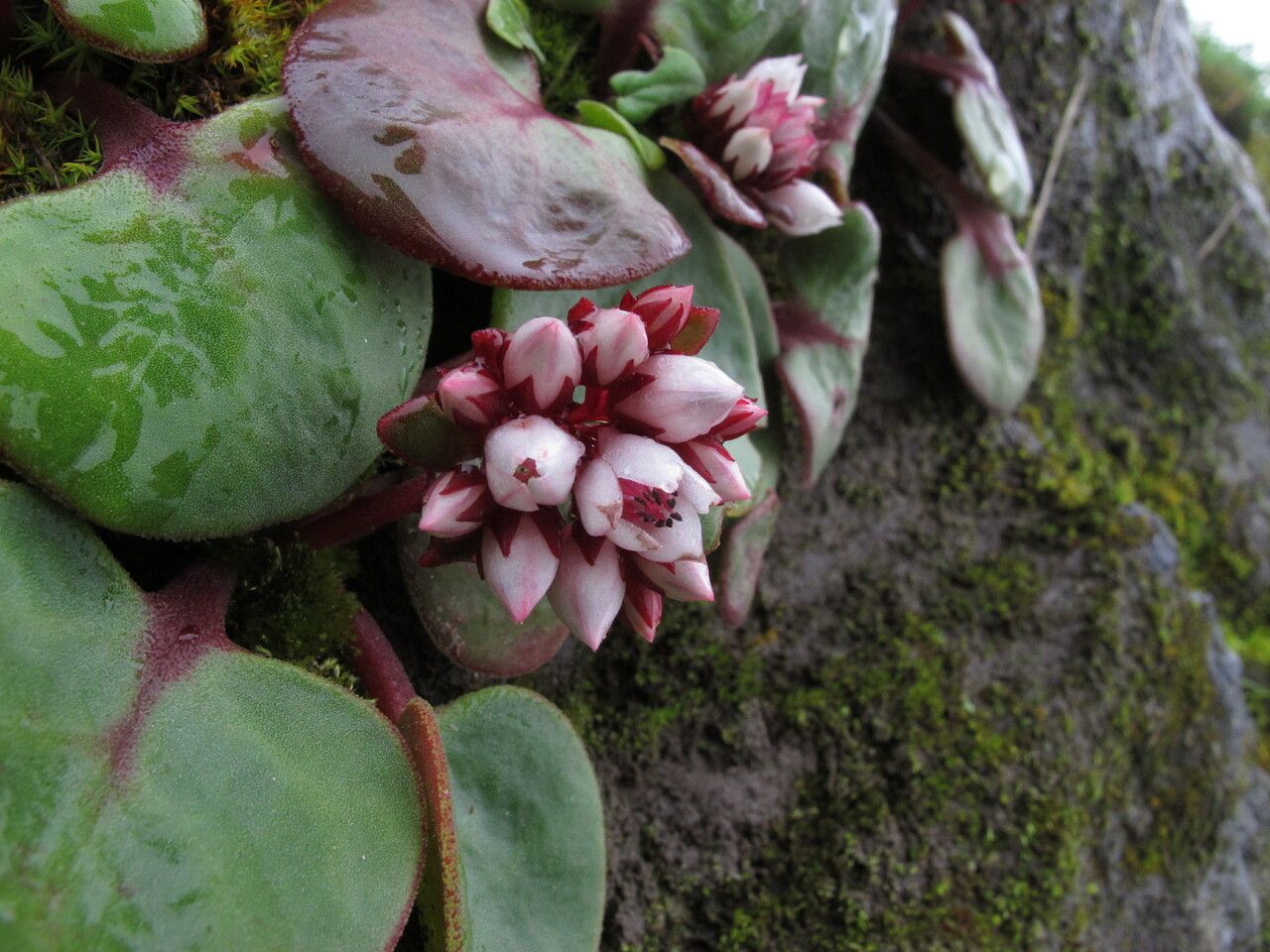
Unlocking the Secrets of Rhodiola prainii: A Guide to Propagation
Rhodiola prainii – a name that may be unfamiliar to many, yet this lesser-known plant holds a treasure trove of potential benefits. This hardy succulent cousin to the famous Rhodiola rosea, native to the Himalayas, boasts a unique blend of adaptogenic properties and medicinal value. And you might be surprised to learn, propagating this precious plant is surprisingly easy!
Why Propagate Rhodiola prainii?
Beyond its captivating appearance, Rhodiola prainii offers a range of potential health benefits, including:
- Stress Reduction: Like its cousin, Rhodiola rosea, it’s believed to help the body adapt to stress, improve mood, and enhance mental clarity.
- Boost Energy and Focus: Traditionally used to counter fatigue and enhance mental performance, this plant may offer a natural boost to your energy levels.
- Support Immune Function: It’s believed to provide a natural boost to the immune system, helping to fight off infections and illness.
Methods for Propagation:
Growing Rhodiola prainii from seed or cuttings is surprisingly straightforward. Here’s a detailed look at each method:
1. Propagation by Seed:
- Gathering Seeds: Collect ripe seed pods from mature plants. The pods will turn a reddish-brown color when ready.
- Preparing the Seed: Extract the seeds from the pods and let them dry for a day or two.
- Stratification: Rhodiola seeds require cold stratification, mimicking their natural winter dormancy. Place the seeds in a damp paper towel or moistened vermiculite in a sealed container in the refrigerator for 4 to 6 weeks.
- Sowing: After stratification, sow the seeds in a well-draining seed starting mix. Keep the soil consistently moist, but not soggy.
- Germination: Germination can take several weeks to a few months. Be patient, and the plant will reward you with a flourishing start.
2. Propagation by Cuttings:
- Choosing Cuttings: Take stem cuttings from healthy, established plants during the growing season. Aim for cuttings that are about 4 to 6 inches long.
- Preparing Cuttings: Use a sharp, clean blade to make a cut just below a leaf node (the point where a leaf grows). Remove any leaves from the bottom inch of the cutting.
- Rooting Medium: Plant the cuttings in a well-draining rooting medium, such as a mixture of perlite and potting soil.
- Humidity: Keep the rooting medium consistently moist, and create a humid environment by covering the cuttings with a plastic dome or bag to retain moisture.
- Rooting: Cuttings should start to root within a few weeks. Once the cuttings have established roots, you can transplant them into individual pots with well-draining soil.
Tips for Success:
- Light: Rhodiola prainii prefers bright, indirect light. Avoid direct sunlight, which can scorch the leaves.
- Watering: Water consistently, allowing the soil to dry out slightly between waterings.
- Soil: Use a well-draining soil mix to prevent root rot.
- Temperature: Rhodiola prainii thrives in temperatures between 50°F and 70°F.
- Patience: Propagation can take time, especially with seed starting. Be patient and persistent, and your hard work will be well rewarded.
From Garden to Health:
Propagating Rhodiola prainii isn’t just about cultivating a beautiful plant; it’s about unlocking the potential of this fascinating herb. As you witness its hardy growth and learn about its potential health benefits, you’ll gain a deeper appreciation for the wonders of the natural world and the power of nurturing life, seed by seed, cutting by cutting.