
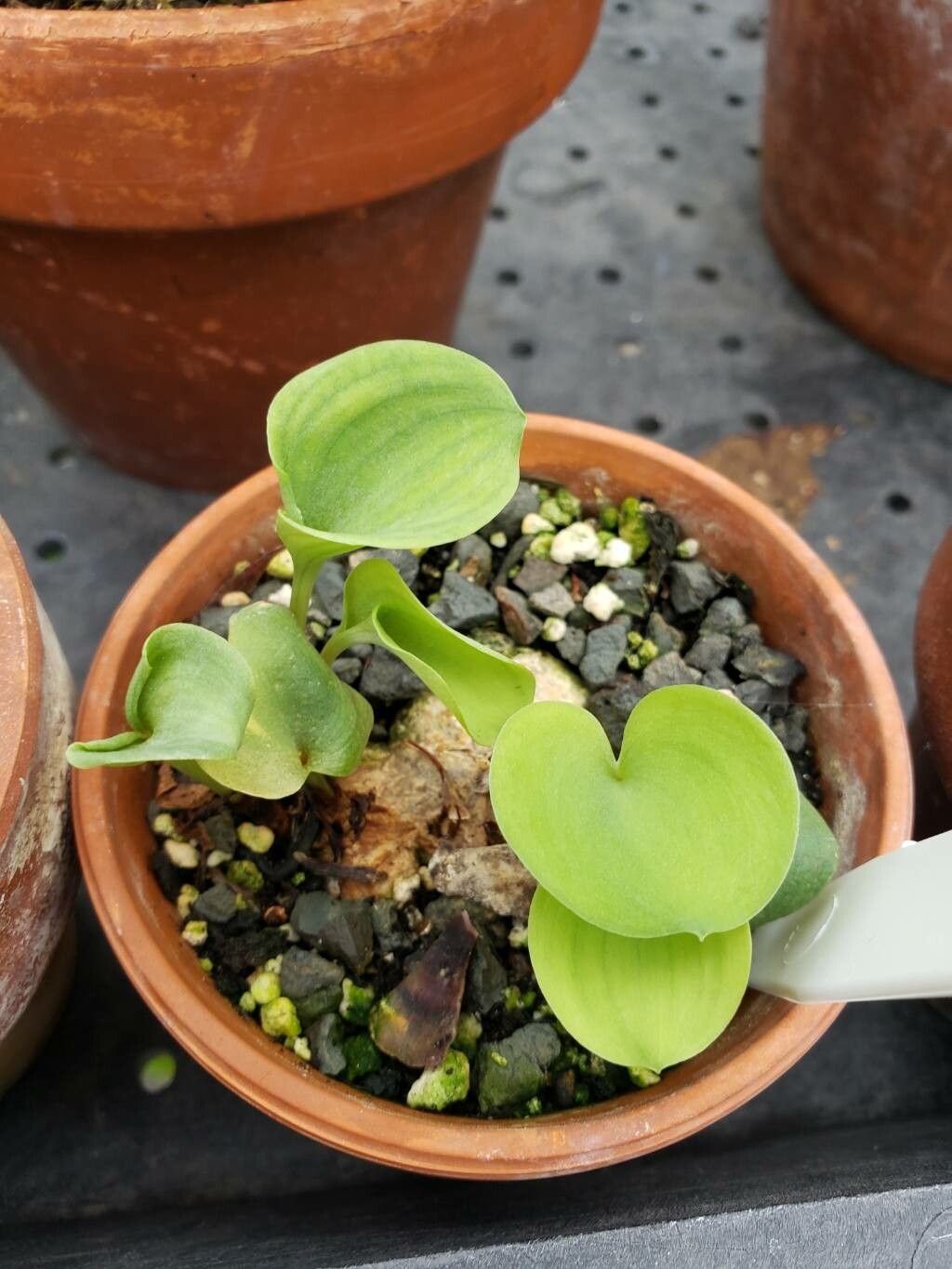
Unleashing the Majesty of Eriospermum descendens: A Guide to Propagation
The Eriospermum descendens, with its captivating, velvety leaves and delicate, star-shaped blooms, is a true gem among succulent enthusiasts. But how can you share this beauty with others, or even increase your own collection? The answer lies in the fascinating world of propagation.
This guide will explore the various methods of propagating Eriospermum descendens, equipping you with the knowledge and confidence to cultivate new life from this captivating plant.
Seed Propagation: A Journey of Patience
Seed propagation, while requiring patience, is a rewarding journey. It’s the perfect way to start a new generation of these stunning succulents. Here’s how:
- Harvesting Seeds: When the tiny, star-shaped flowers fade, they transform into capsules containing delicate seeds. Gently collect these capsules and allow them to dry completely.
- Preparing the Seedbed: Choose a well-draining seed mix and fill a shallow container. For optimal germination, you can use a combination of perlite, vermiculite, and seed-starting mix. Lightly moisten the mixture and sow the seeds on top.
- Germination Conditions: Cover the container with plastic wrap to create a mini-greenhouse effect and place it in a bright, well-lit location, avoiding direct sunlight. Maintain a temperature between 70-75°F (21-24°C).
- Patience and Patience: Germination can take anywhere from a few weeks to several months, so patience is key. Keep the soil consistently moist, but not waterlogged, and you’ll soon be rewarded with tiny, leafy seedlings!
Bulb Division: A Speedy Path to New Plants
Eriospermum descendens readily produces new bulbs, making division a relatively simple and efficient method of propagation. Here’s how:
- Timing is Key: The best time for division is during the dormant period, typically in late summer or early autumn. Gently lift the plant from its container.
- Careful Separation: Locate the smaller, offshoot bulbs clinging to the mother bulb. Carefully pry these offsets away from the main bulb, ensuring that each offset has a healthy root system.
- Pot Up the Offsets: Plant the separated offsets in individual pots with well-draining soil. Ensure the top of the bulb is slightly exposed above the soil level.
- Watering with Care: Water sparingly until new growth appears, indicating the established roots of the offsets.
Leaf Cuttings: A Thrilling Experiment
For a more adventurous approach, you can experiment with leaf cuttings. Although this method may be less successful than seed or bulb division, it’s still a viable option for seasoned propagators:
- Choosing the Right Leaf: Select a healthy mature leaf, making sure it’s free from any damage or disease.
- Cutting and Drying: Cut the leaf cleanly using sharp scissors or a knife. Let the cut end dry for a day or two in a well-ventilated area to form a callus.
- Planting the Cutting: Place the calloused leaf on a slightly damp mixture of perlite and vermiculite. You can cover the container with plastic wrap to maintain moisture levels.
- Patience is Essential: Root development may take several weeks, so patience is paramount. Keep the mixture slightly moist and monitor for any sign of new growth.
Tips for Success
- Light and Temperature: Eriospermum descendens thrives in bright, indirect light and warm temperatures. Avoid direct sunlight exposure, which can scorch the leaves.
- Well-Drained Soil: Using a well-draining soil mix is crucial. Avoid waterlogged conditions, which can lead to root rot.
- Watering Wisely: Water sparingly, allowing the soil to dry out completely between watering sessions. Overwatering can be detrimental.
- Beware of Pests: Keep an eye out for pests such as mealybugs, aphids, and scale. Treat any infestations promptly.
By following these propagation techniques, you can cultivate your own Eriospermum descendens success story, adding a touch of elegance and sophistication to your indoor or outdoor garden. With careful attention and patience, you will be rewarded with an abundance of vibrant plants, sharing the beauty of these captivating succulents with others or enriching your own collection.