
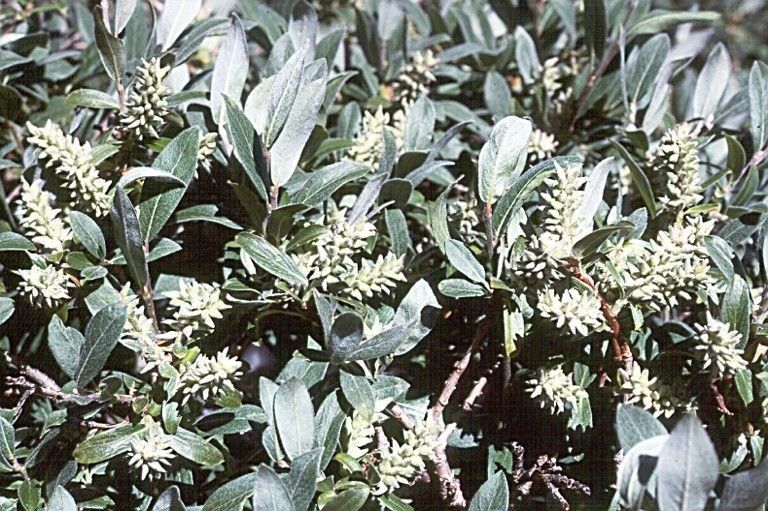
Bringing New Life to the Wild: Propagating the Dwarf Willow (Salix brachycarpa)
The Dwarf Willow (Salix brachycarpa) isn’t just a cute name. This resilient, low-growing shrub thrives in challenging environments and is a favorite choice for landscaping and erosion control. Its delicate foliage and charming, rounded form add beauty to any space. But did you know that propagating this hardy willow is surprisingly easy?
This blog post will guide you through the process of bringing new life to your garden with the magic of propagation. We’ll delve into the two most successful methods – cuttings and layering – and furnish you with the tools and knowledge to grow your own Dwarf Willow.
Cuttings: A Quick and Easy Method
A classic way to propagate Salix brachycarpa is by using cuttings. This technique taps into the plant’s natural ability to sprout new roots from stem fragments. Here’s what you need to do:
Timing is Key: Summer is the ideal time for taking cuttings, as the plant is actively growing. Choose a healthy branch, ideally from the previous year’s growth.
Prepare Your Cutting: Cut a 6-8 inch section of stem just below a node (the point where leaves grow). Make a clean angled cut at the top and a straight one at the bottom.
Remove Lower Leaves: Remove any leaves below the soil line, leaving a few at the top. This prevents them from rotting and allows the cutting to focus its energy on root development.
Planting Time: Dip the bottom end of the cutting in rooting hormone to encourage root growth. Plant it in a pot filled with moist, well-draining potting mix. Keep the cutting upright and firm, ensuring the node remains above the soil line.
- Patience is a Virtue: Water the cutting regularly and maintain a slightly humid environment. Keep it in bright, indirect light and resist the urge to pull it out to check for root growth. With a little patience (usually 4-6 weeks), roots should begin to develop.
Layering: A Controlled Approach
If you prefer a more controlled process, layering might be your go-to method. Layering utilizes the plant’s natural ability to create new roots where the stem touches the soil.
Choosing Your Stem: Select a flexible, low-lying branch. This will make the process of bending and securing the stem easier.
Prepare the Stem: Carefully make a shallow cut in the bottom of the branch, about halfway through the diameter. This area will encourage root development.
Lay and Secure: Bend the stem down and place the prepared area into a shallow groove you’ve made in the soil. Secure the stem into position with a pin or rock.
Moist and Protected: Wrap the area of the stem where it meets the soil with a bit of moist sphagnum moss, which helps to maintain moisture while promoting root growth.
- Patiently Await: As with cuttings, patience is key. With regular watering and protection from harsh weather, roots should develop in 4-6 weeks.
Success Stories and Tips:
Propagating Salix brachycarpa can seem intimidating, but remember that this hardy plant is relatively easy to work with. Use sharp, clean tools to avoid damaging the delicate stem and create a favorable environment for rooting.
Whether you opt for cuttings or layering, remember to practice ongoing care for your new Dwarf Willow plant once it has rooted. Provide it with moisture, light, and optimal soil conditions, and you’ll be rewarded with a beautiful and resilient addition to your garden.
With this knowledge and a little effort, you can unlock the magical world of plant propagation and enjoy the beauty of the Dwarf Willow for years to come.